The quest for better battery technology has long been a focal point in scientific research. With the growing demand for sustainable energy storage solutions, researchers are constantly seeking innovative ways to improve battery performance, safety, and longevity. In a groundbreaking discovery, scientists at King Abdullah University of Science and Technology (KAUST) have unveiled a novel approach to enhancing lithium-metal batteries by incorporating nylon—a common polymer found in everyday clothing—into their design. This breakthrough could pave the way for cheaper, safer, and more efficient energy storage solutions.
The Promise of Lithium-Metal Batteries
Lithium batteries are already revolutionizing the world of electronics and transportation. They are lightweight, have high energy density, and produce lower carbon dioxide emissions compared to traditional batteries. However, there are two main types of lithium batteries: lithium-ion and lithium-metal batteries. While lithium-ion batteries dominate commercial markets, powering everything from smartphones to electric cars, lithium-metal batteries hold even greater potential due to their higher energy density.
Lithium-metal batteries are ideal for applications in robotics, aerospace, and other industries where space and weight constraints are critical. Despite their advantages, these batteries face significant challenges related to safety and longevity. The production and operation of lithium-metal batteries involve hazardous materials, and parasitic reactions—side reactions that degrade performance and safety—are a persistent issue.
A Simple yet Effective Solution: Nylon
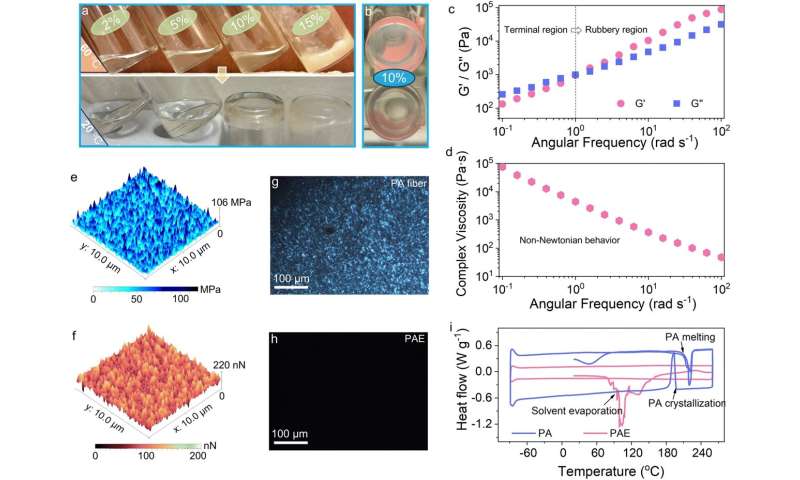
Enter nylon—a versatile polymer used in everything from textiles to automotive parts. In two separate studies published in ACS Energy Letters and Energy & Environmental Science, KAUST researchers demonstrated that nylon could be dissolved in mild lithium solutions, making it an effective additive for lithium-metal batteries. This simple yet innovative approach addresses the key challenges facing lithium-metal batteries.
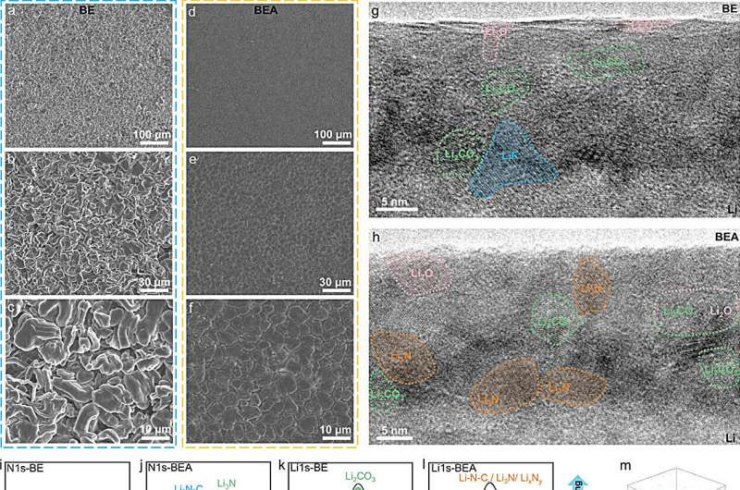
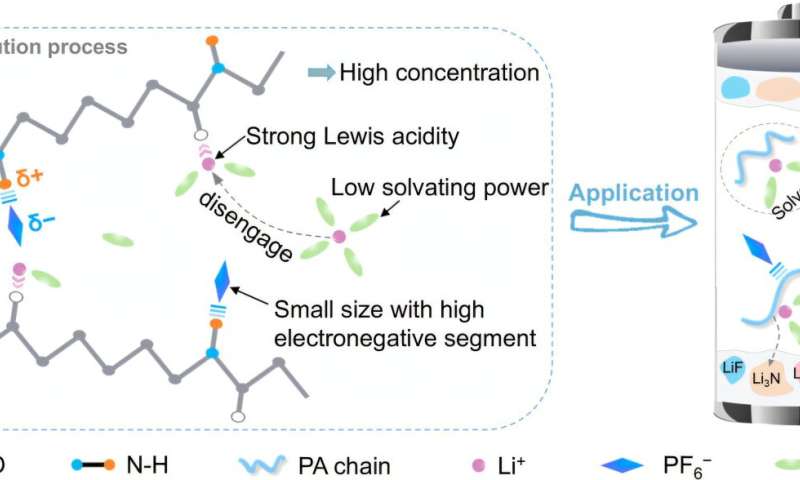
The research team, led by KAUST Professor Husam Alshareef, conducted a detailed analysis of the chemical interactions between nylon and lithium. They found that when nylon is dissolved in a mild solvent, it forms a stable interface with the lithium electrode, significantly reducing parasitic reactions. This results in batteries with improved efficiency, longer lifespans, and enhanced safety.
How It Works: The Chemistry Behind the Breakthrough
The key to this breakthrough lies in the unique properties of nylon. When dissolved in a mild lithium-containing solution, nylon forms a thin, protective film on the surface of the lithium electrode. This film acts as a barrier against harmful reactions, such as dendrite formation—a common issue in lithium-metal batteries that can lead to short circuits and even explosions.
By suppressing these parasitic reactions, the nylon additive ensures better stability and longevity for the battery. Moreover, the use of mild solvents makes the process environmentally friendly and cost-effective compared to traditional methods involving hazardous materials.
The Impact on Sustainable Energy
The implications of this discovery are far-reaching. Improved lithium-metal batteries could unlock new possibilities for renewable energy storage, electric vehicles, and portable electronics. With higher energy density and longer lifespans, these batteries would be more efficient and sustainable, reducing reliance on fossil fuels and lowering carbon emissions.
A Glimpse into the Future
The KAUST team’s research is a testament to the power of interdisciplinary collaboration. By combining expertise in materials science, chemistry, and engineering, they have unlocked a simple yet effective solution to a complex problem. The next step for the researchers is to scale up their findings for industrial applications.
In the coming years, we can expect to see nylon-based additives becoming a standard feature in lithium-metal batteries. This breakthrough not only enhances battery performance but also contributes to the broader goal of creating sustainable energy systems that benefit both humanity and the planet.
Conclusion
The integration of nylon into lithium-metal batteries represents a significant leap forward in battery technology. By addressing critical challenges such as safety, efficiency, and longevity, this innovative approach brings us closer to a future where clean and reliable energy storage is within reach. As research continues to push the boundaries of science and engineering, discoveries like these remind us of the boundless potential for innovation in sustainable technologies.