Battery Anode Factory Cancellation: A Blow to European EV Supply Chain
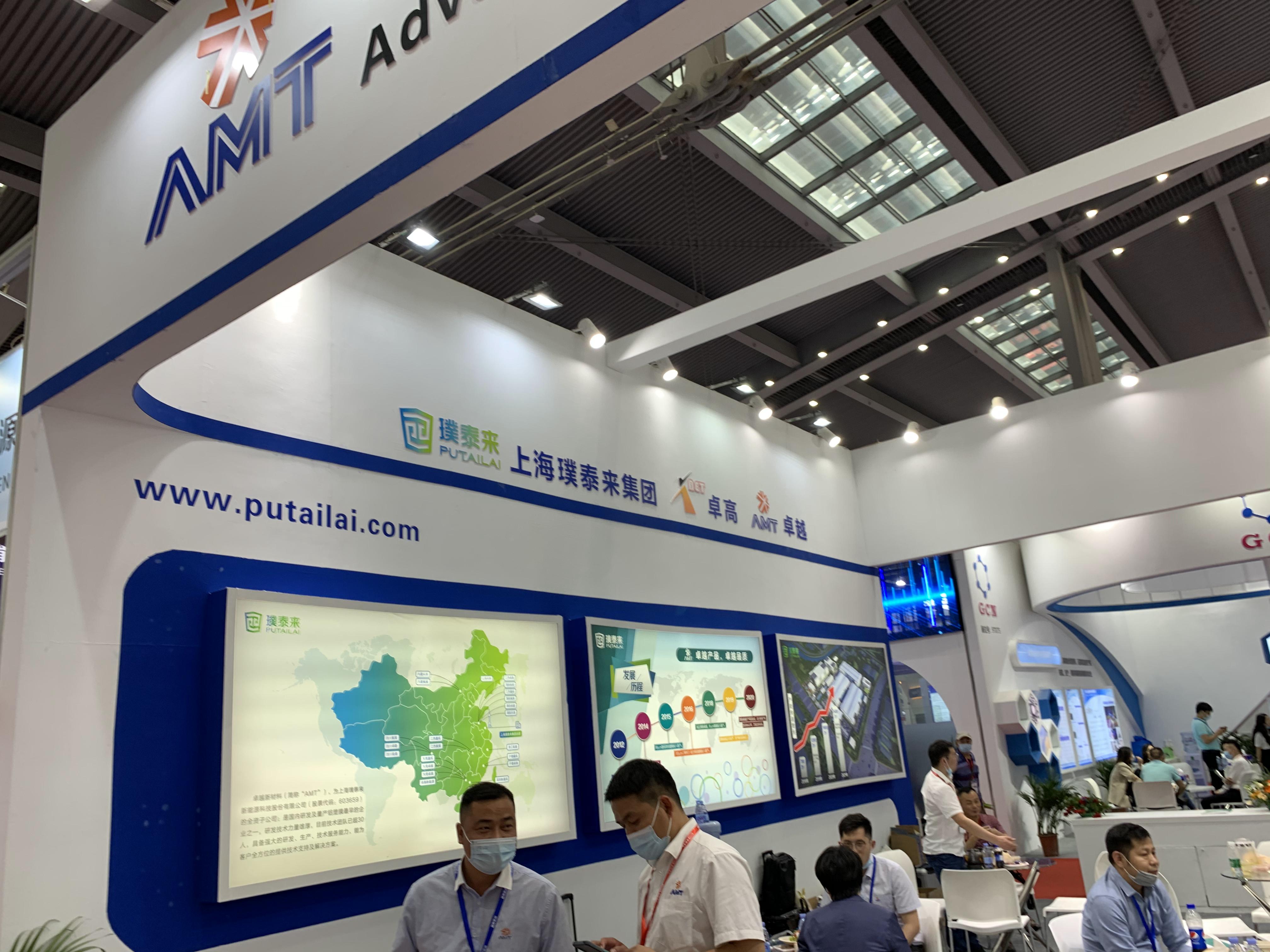
The electric vehicle (EV) revolution is accelerating globally, with a growing demand for battery materials to power the next generation of clean vehicles. However, a significant setback occurred in December 2024 when Sweden’s Inspectorate of Strategic Products (ISP) rejected plans for a SEK 13 billion battery anode factory near Sundsvall. The project, proposed by Shanghai Putailai (PTL), a Chinese subsidiary of Zichen Technology Sweden AB, aimed to establish a 100,000-ton annual capacity anode materials plant in Timrå, north of Sundsvall. This article delves into the reasons behind the cancellation, its implications for PTL and Northvolt, and the broader impact on Europe’s battery supply chain.
Project Overview
The project was initially announced in May 2023, with PTL planning to invest heavily in a facility targeting an annual capacity of 100,000 tons of anode materials by 2026. The plant would have supported Europe’s growing demand for lithium-ion batteries, particularly for EVs and renewable energy storage systems. Zichen Technology Sweden AB, PTL’s subsidiary, was set to operate the facility, with Phase 1 aiming for 50,000 tons of capacity by 2025.
PTL had ambitious plans to strengthen its position in the European battery supply chain, leveraging its expertise and resources from China. The project was expected to create approximately 1,900 jobs, contributing significantly to regional economic development. Northvolt, a leading Swedish battery manufacturer, was identified as one of the potential customers for PTL’s anode materials, highlighting the strategic importance of this investment for both companies.
Why Was the Project Canceled?
The ISP’s rejection came with specific conditions that PTL deemed commercially unfeasible. These conditions were related to Zichen Sweden’s ownership structure, intellectual property rights, and regulatory arrangements. While PTL proposed alternative solutions to address these concerns, the Swedish government rejected them outright, leading to the cancellation of the project in December 2024.
Dr. Yu Han, PTL’s chief representative in Europe, expressed disappointment with the decision, describing the control-related demands as “unreasonable” and contrary to global trade norms. PTL has now announced that it will explore legal avenues to challenge the ISP’s decision while maintaining dialogue with Swedish authorities to assess alternative pathways for the project.
Implications for PTL and Sweden
The cancellation of PTL’s Timrå plant highlights the growing tension between Europe’s desire to reduce reliance on Chinese supply chains and the practical need for Chinese expertise and capacity in the battery materials sector. While PTL remains committed to its overseas ambitions, the setback underscores the challenges faced by Chinese investors navigating increasingly stringent national security and investment screening policies across Europe.
For Sweden, the decision to reject the project may have long-term consequences, particularly in terms of job creation and contributions to the domestic EV supply chain. Northvolt, which relies on a stable supply of anode materials, could face potential disruptions as it continues to expand its production capacity.
Future Outlook
PTL’s exploration of alternative markets outside Sweden is likely to intensify, with Europe’s neighboring countries such as Poland and Germany emerging as potential locations for future investments. Meanwhile, the broader EV supply chain in Europe will need to adapt to the changing landscape, with increased focus on diversifying sources of battery materials and reducing dependencies on any single supplier.
The cancellation of PTL’s Timrå plant serves as a reminder of the complex interplay between geopolitical considerations and economic interests in the global battery industry. As the EV revolution continues to gather momentum, companies and governments must navigate these challenges while ensuring sustainable growth and innovation.