A senior US official recently accused Chinese lithium producers of flooding the global market with lithium in a “predatory” attempt to drive down prices and stymie rival mining companies. Jose Fernandez, the undersecretary for economic growth, energy, and the environment at the US State Department, made these comments during a visit to Portugal, a country with significant lithium reserves.
Fernandez claimed that China is producing “far more lithium than the world needs today,” calling it a deliberate move to counter the US Inflation Reduction Act (IRA). The IRA represents the largest climate and energy investment package in US history, valued at over $400 billion.
“They engage in predatory pricing… [they] lower the price until competition disappears. That is what is happening now,” Fernandez added.
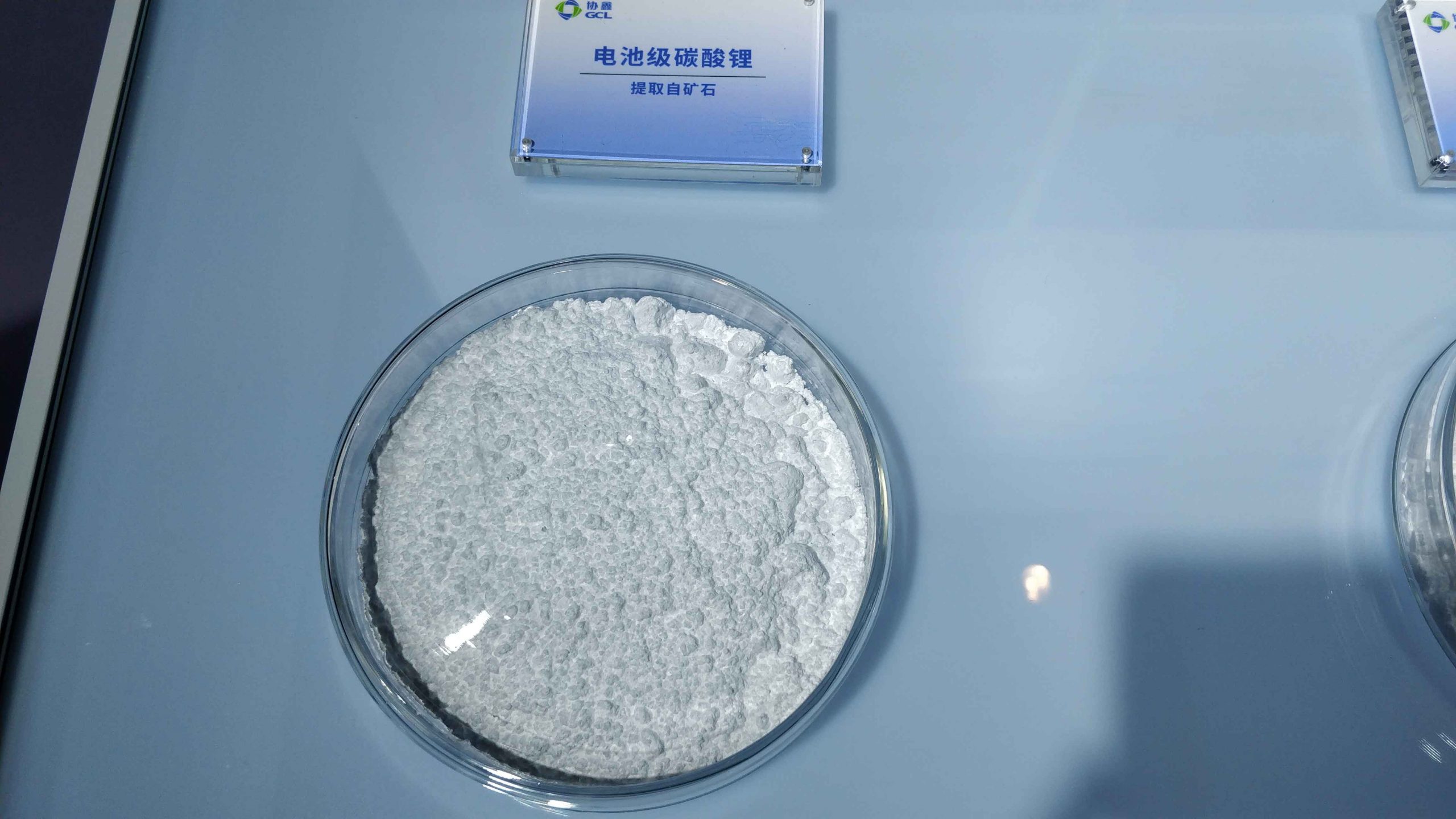
Lithium Market Oversupply and Price Crash
China currently dominates approximately two-thirds of global lithium chemical production, primarily used in battery technologies, including electric vehicles (EVs). Over the past year, however, lithium prices have dropped more than 80%, largely due to overproduction from China and a decrease in global demand for EVs.
Despite the price collapse also affecting Chinese companies, including CATL, which has been forced to suspend production at some of its mines, the strategy is viewed as a deliberate attempt by China to weaken competition.
According to Fernandez, the low prices “constrain our ability to diversify our supply chains on a global scale,” while also hurting countries like Portugal that require investment to develop their lithium industries. Portugal, with known reserves of approximately 60,000 tons, is Europe’s largest lithium producer, traditionally mining the material for ceramics. Now, along with neighboring Spain, the country aims to take advantage of its lithium resources to cover the entire value chain from mining and refining to battery manufacturing and recycling.
Europe’s Countermeasures and China’s Response
The price drop has forced many global lithium producers to scale back production and lay off workers. Several mining companies in Portugal are actively seeking financing, customers, and suppliers to kick-start their projects. “We want to help them, and we think we can… lithium mining companies everywhere need to survive this difficult phase that was created by predatory pricing,” Fernandez stated.
At the same time, Europe is striving to reduce its dependence on Chinese lithium and other key materials vital to its green transition. Trade tensions escalated further last week when the European Union (EU) announced plans to impose hefty tariffs on China-made electric vehicles to counter what it considers unfair subsidies. The decision followed a year-long anti-subsidy investigation by the EU into Chinese EVs.
In response to these accusations, Chinese Premier Li Qiang, during a June address at the World Economic Forum in Dalian, defended China, stating that Chinese companies do not benefit from unfair subsidies and are not flooding global markets with cheap green technologies.
The trade dispute intensified further on Tuesday when China imposed temporary anti-dumping measures on brandy imports from the EU, signaling a continuing rise in trade tensions between the two economic powers.