October 10 – In response to shifting industry dynamics and increasing competition, Volkswagen has begun implementing job cuts in China, particularly affecting its imported vehicle business unit. Reports indicate that nearly 100 employees are impacted by this latest round of layoffs.
According to sources close to Volkswagen China, employees facing redundancy have been presented with two options: relocation to Hefei or direct layoffs with compensation packages that could reach up to N+6. This shift to Hefei is part of Volkswagen China’s broader strategy to centralize operations in the region. The company aims to consolidate its imported vehicle business under Volkswagen Anhui, which will take over the sales of the Touareg brand.
In June, it was reported that Volkswagen Group initiated the KI10 performance program, targeting a 20% reduction in fixed and personnel costs over the next three years. Internal documents reveal that the competitive landscape in China has exerted additional pressure on Volkswagen’s financial performance. The company recognizes the urgent need to focus on creating a more efficient organization, leveraging synergies across various entities and departments to achieve its goal of reducing indirect personnel costs by 20%.
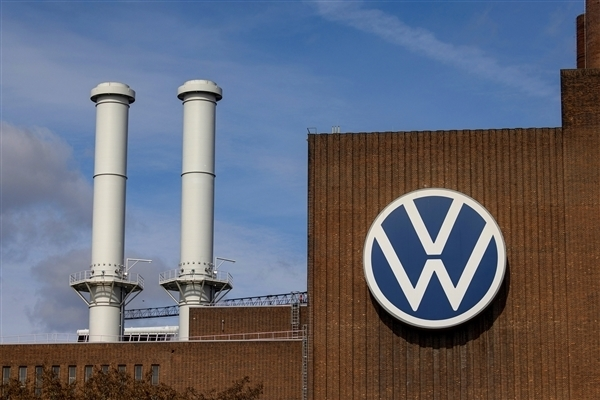
Strategic Restructuring and Cost-Cutting Measures
To navigate the challenging market environment, Volkswagen is undertaking several strategic measures. These include restructuring its organizational framework, enhancing the digitalization of work processes, promoting collaboration among its various brands and departments in China, and driving the localization of projects.
Additionally, Volkswagen China has emphasized that these measures will involve adjustments to direct labor costs, as well as optimizing indirect costs associated with administrative expenses, travel, and training.
In September, Volkswagen CEO Oliver Blume defended the company’s extensive job-cutting plans, stating that the current economic climate is “so severe” that the company cannot simply repeat past practices. He pointed out that declining automobile sales in Europe, coupled with aggressive competition from Asian entrants, has made the market more challenging. “The market size is shrinking, but the number of competitors is increasing,” Blume noted.
Commitment to the Future
Despite the difficult circumstances, Blume reassured stakeholders that the board is actively formulating “further measures” to address the downturn in vehicle sales, though specific details were not disclosed. He reiterated Volkswagen’s commitment to maintaining its operations in Germany, emphasizing the historical connection many employees have with the company. “Many of our employees have grandparents who worked for Volkswagen; I hope their grandchildren can also have that opportunity,” he stated.
Volkswagen’s strategic realignment in China is not just a response to the immediate pressures of the market; it reflects a long-term vision for sustainability and growth in a highly competitive sector. As the automotive landscape evolves, Volkswagen is positioning itself to adapt, ensuring that it remains a key player in the global market.
The company’s focus on efficiency, collaboration, and localization highlights its commitment to navigating the complexities of the current automotive environment. By restructuring operations and investing in new strategies, Volkswagen aims to emerge stronger from this transitional phase, reinforcing its commitment to both its employees and its customers.