A €3 Billion Lifeline for a Stagnant Market
On January 19, 2026, the German government officially unveiled a massive €3 billion subsidy program. The initiative aims to reboot the domestic EV market, which has struggled significantly since previous incentives were abruptly cut in late 2023.
Open Competition: No Barriers for Chinese Brands
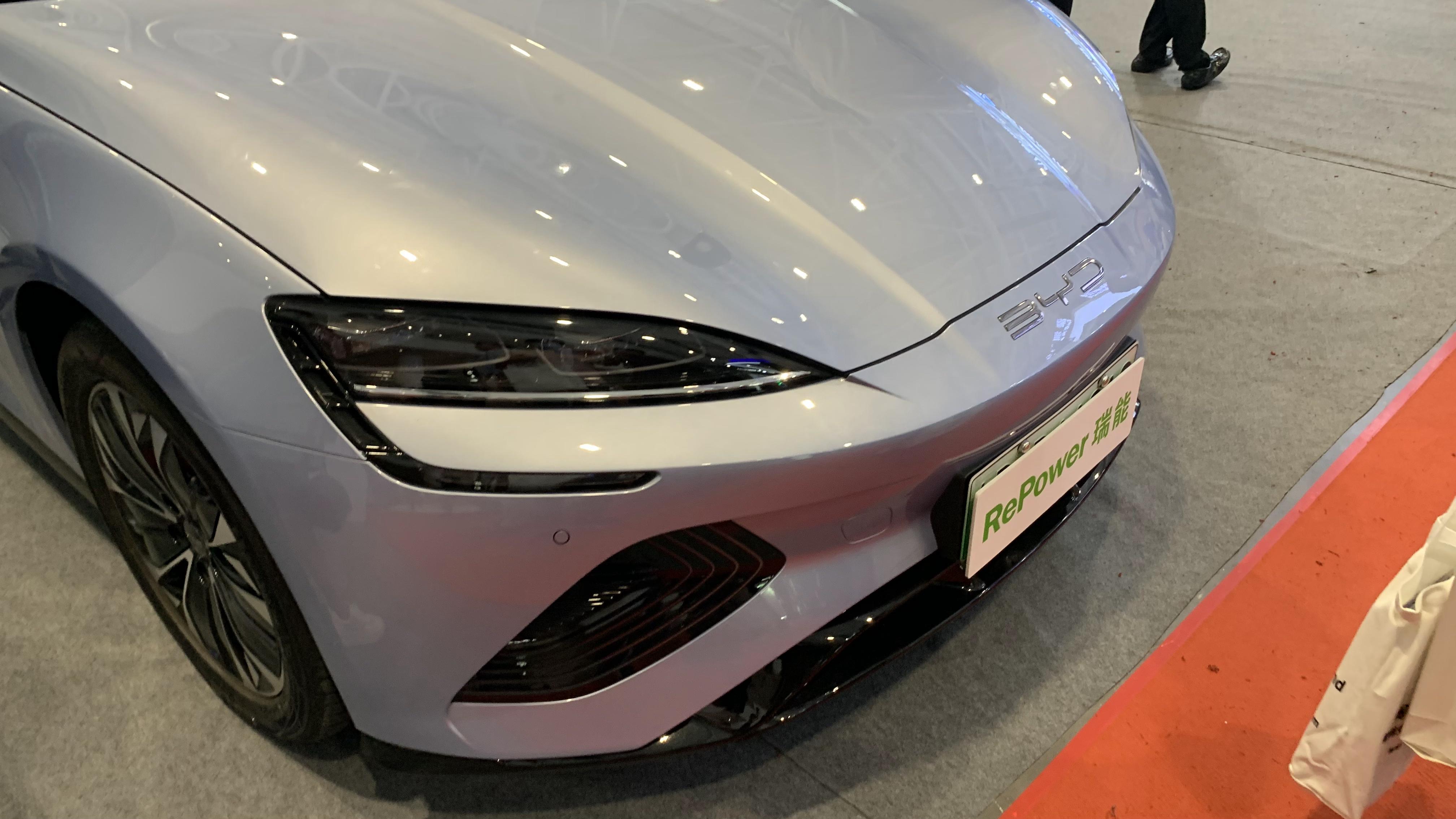
In a bold departure from the protectionist stances of France and the UK, Germany’s new policy carries no “origin-based” restrictions. Environment Minister Carsten Schneider stated that Germany should face competition openly rather than imposing artificial barriers on foreign manufacturers.
Tiered Incentives: Up to €6,000 per Vehicle
The subsidy amount is strictly tied to household income, family size, and the specific type of vehicle purchased. Base incentives start at €3,000 for BEVs, while low-to-middle-income families with children can qualify for a maximum grant of €6,000.
Broad Eligibility: Including PHEVs and EREVs
The program also extends to Plug-in Hybrids (PHEV) and Extended-Range EVs (EREV) that meet high efficiency standards. These vehicles must emit less than 60g of CO2 per kilometer and offer an electric-only range of at least 80km to qualify for a base grant of €1,500.
Retroactive Support with a May Launch
The subsidies apply retroactively to all qualifying vehicles registered as new starting from January 1, 2026. While the policy is already in effect, the official online application portal is not scheduled to go live until May 2026.
The 15-Million-Vehicle Goal
Germany’s openness is driven by the urgent need to put 15 million electric vehicles on the road by 2030. By allowing affordable Chinese models to qualify, the government hopes to make EVs accessible to a much wider demographic of private buyers.
Strategic Diplomacy and Economic Ties
The decision also reflects Germany’s deep economic ties with China, a critical market for German giants like VW and BMW. By maintaining an open market, Berlin seeks to balance climate goals with the need to avoid escalating global trade tensions.