Strategic Shift: Nanjing Factory to Lead Sodium-Ion Pilot Production
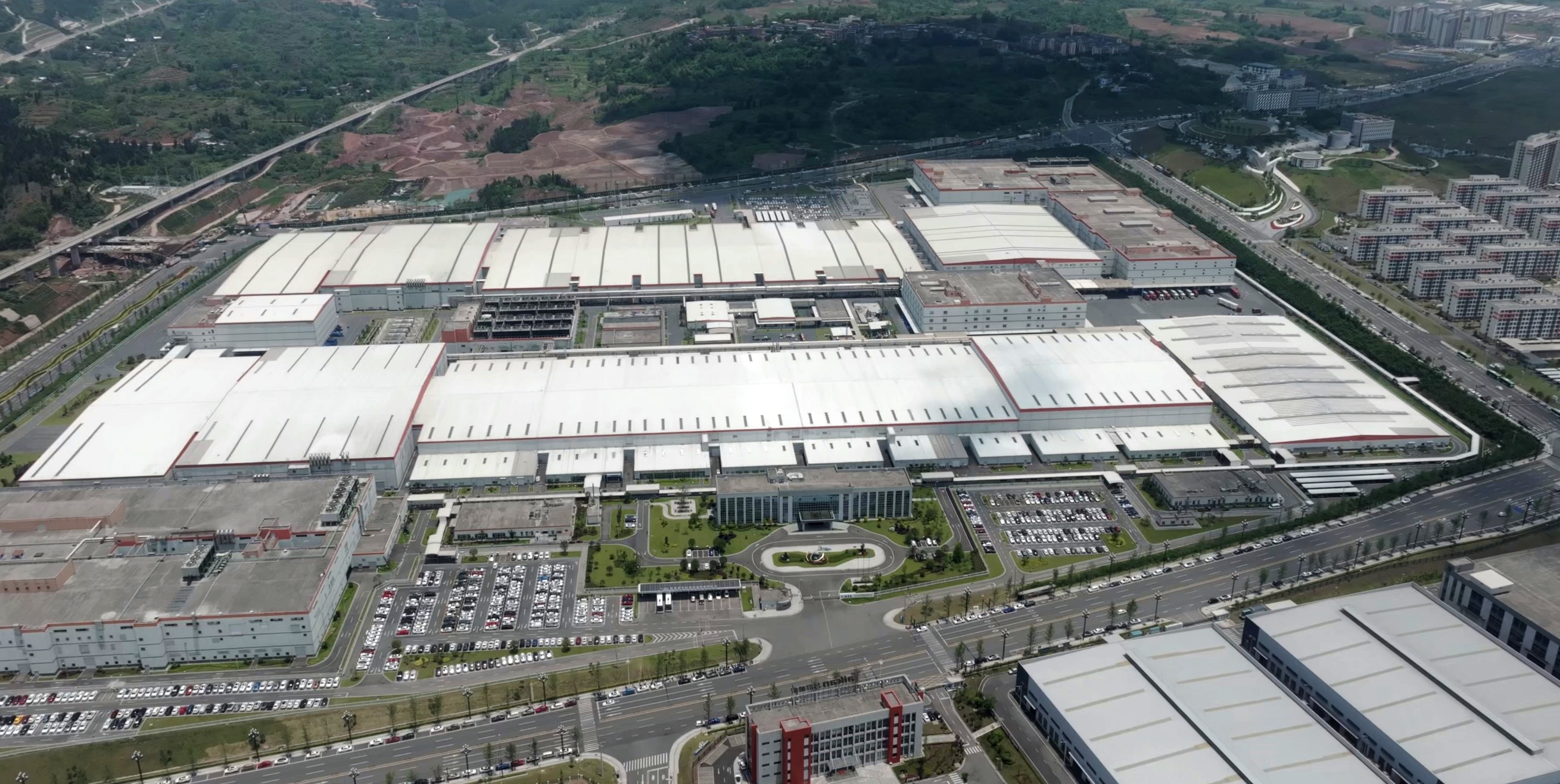
LG Energy Solution (LGES) is making a decisive move into the sodium-ion battery (SIB) market by establishing a pilot production line at its facility in Nanjing, China. This facility will serve as the critical bridge for mass production, tasked with producing B-samples (finished prototypes) and C-samples (mass-production-ready products).
While R&D remains centered at the Daejeon Technology Research Institute and initial “A-samples” are produced at the Ochang “mother factory” in Korea, the shift to Nanjing is a calculated strategic play. LGES aims to complete the pilot line and begin sample production within 2026, significantly accelerating the commercialization timeline for this next-generation technology.
Why China? Tapping into a Mature Ecosystem
The decision to utilize the Nanjing plant is driven by China’s current stranglehold on the sodium-ion ecosystem. China boasts a robust supply chain for essential materials, including cathode materials and hard carbon anodes, which are vital for SIBs.
By producing locally, LGES can:
- Reduce Logistics Costs: Direct access to specialized material suppliers.
- Speed Up Validation: Rapid iteration of production techniques in a mature market.
- Compete on Price: Leveraging the lower overhead and existing infrastructure in Nanjing to hit the aggressive price targets required for sodium-ion success.
Sodium vs. Lithium: The Economics of Abundance
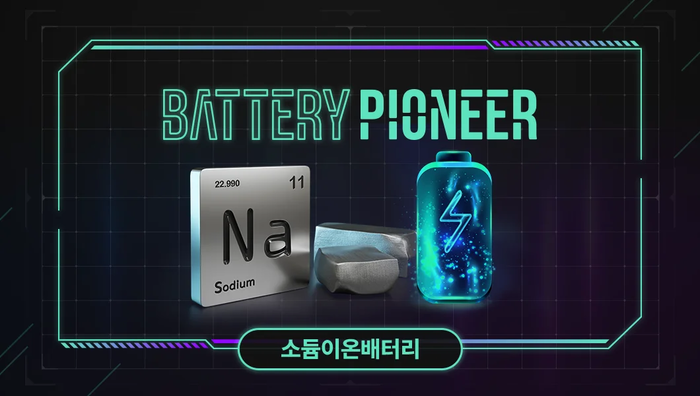
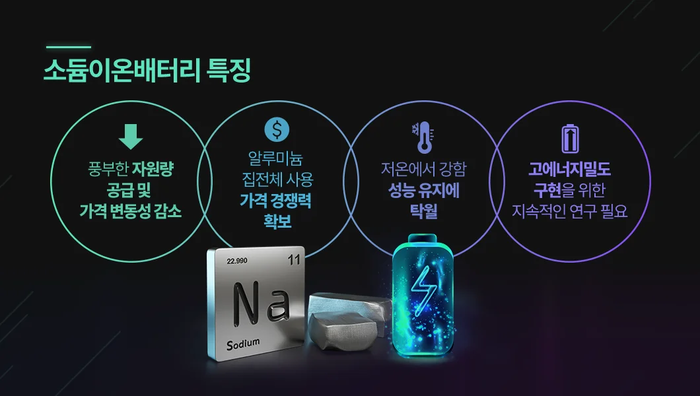
Sodium-ion batteries are touted as the “LFP killers” of the next decade. Unlike lithium, which is scarce and geographically concentrated, sodium is 1,000 times more abundant, found easily in common rock salt.
| Feature | Sodium-Ion (SIB) | Lithium-Ion (LFP) |
| Material Cost | Significantly Lower (~30% reduction) | Higher (Lithium volatility) |
| Abundance | High (Salt/Seawater) | Rare (Mining-limited) |
| Low-Temp Performance | Excellent | Average to Poor |
| Safety | High (Thermal stability) | High |
Beyond cost, SIBs exhibit superior performance in cold weather and maintain high stability under high-temperature conditions, making them ideal for both affordable EVs and large-scale Energy Storage Systems (ESS).
The Global Race: LGES vs. CATL and HiNa Battery
Currently, Chinese firms like CATL and HiNa Battery hold the lead. CATL has already announced its second-generation “Energeia” (branded as Naxtra in some markets) batteries, claiming they can power a vehicle for 520km on a 5-minute charge.
LGES is entering this arena to ensure it doesn’t lose the “affordable battery” segment. While Korean rivals Samsung SDI and SK On are also in the R&D phase, LGES is the first to move toward commercial-grade pilot production. This move signals a broader strategy to diversify its portfolio beyond premium NCM batteries into LFP, Lithium-Sulfur, and now Sodium-Ion.
Future Outlook: Reshaping the Mid-to-Low End Market
While LG Energy Solution maintains that “various options are being reviewed and nothing is finalized,” the establishment of the Nanjing line suggests a clear intent to dominate the non-premium market. By 2027, LGES aims to have a tiered product lineup: high-performance NCM for luxury EVs, LFP for the mainstream, and Sodium-Ion for affordable urban mobility and ESS.
If LGES can successfully scale its SIB technology, it will not only reduce its dependence on lithium but also provide a credible alternative to Chinese dominance in the low-cost battery sector.