The Melbourne Renewable Energy Hub (MREH) has officially commenced operations in December 2025, marking another significant milestone in Australia’s energy transition. The project is jointly developed by Singapore-based renewable energy developer Equis Development and Victoria’s State Electricity Commission (SEC), and is located in Plumpton, west of Melbourne.
Project Scale and Technical Configuration
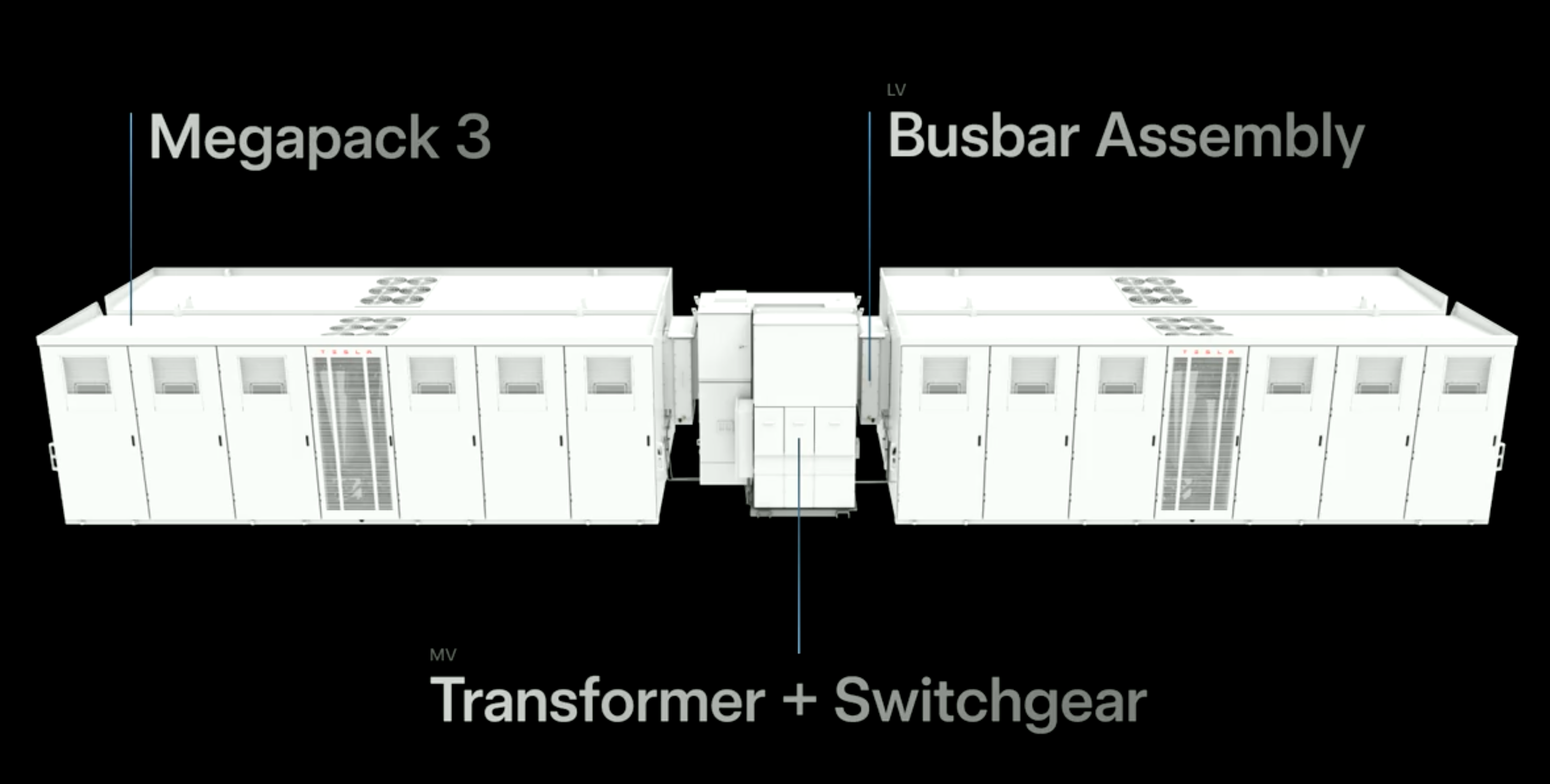
The first phase of the Melbourne Renewable Energy Hub has a total capacity of 600MW/1,600MWh, deploying 444 Tesla Megapack battery units. The project can provide electricity to 200,000 Victorian households during evening peak periods. According to SEC’s official documentation, the hub is now fully operational, with all three battery systems successfully registered with Australia’s National Electricity Market in parallel.
The project comprises three independent battery energy storage systems: two batteries with 200MW/400MWh capacity each, with Equis holding 70% ownership and SEC 30%; and one battery with 200MW/800MWh capacity (MREH A3), with Equis holding 51% ownership and SEC 49%. The MREH A3 battery system is backed by a 100% capacity offtake agreement with SEC to directly support its solar and wind projects.
Investment and Construction
The project represents a total investment of approximately A$1.1 billion, with the State Electricity Commission investing A$245 million, marking SEC’s first investment since its reestablishment. Equis’s investment team also secured a landmark A$400 million debt financing package for the project. Construction officially commenced in December 2023 after receiving approval and was delivered on time and on budget.
During construction, the project created work and training opportunities for more than 1,200 people, including over 70 apprentices, cadets, and trainees who completed approximately 20% of total project hours. The project also stimulated local economic development, with more than 12 Melbourne-based businesses supplying services and materials covering traffic management, civil works, electrical installations, and landscaping.
Technical Innovation and Grid Connection
The Melbourne Renewable Energy Hub achieved multiple breakthroughs in technical implementation. Equis’s engineering team designed a world-first underground 500kV cable system connecting the battery energy storage system to existing gas-insulated grid infrastructure. This innovative solution was implemented by energy infrastructure services provider Lumea.
The project construction included designing and building a 500kV MREH substation and a 1.75km underground 500kV transmission cable connecting to the existing Sydenham Terminal Station. This represents Australia’s first large-scale battery energy storage project using such an underground 500kV connection solution.
The hub is equipped with three 500kV high-voltage transformers manufactured by Toshiba, each weighing 335 tons. These transformers enable efficient bidirectional energy flow, connecting the battery energy storage system with the transmission grid while minimizing energy losses during long-distance transmission. The first two transformers arrived on site in January 2025, with the third completed installation in February.
Functional Positioning and Market Role
The core function of the Melbourne Renewable Energy Hub is to absorb excess power generated from wind and solar energy in Victoria. The system charges when renewable energy is most abundant and discharges when supplies tighten, helping to stabilize the grid and reduce electricity prices.
The project is strategically located at the intersection of Victoria’s critical transmission routes, directly supporting Melbourne’s metropolitan load as well as three Victorian Renewable Energy Zones (REZs). This strategic location enables it to strengthen grid stability as aging coal-fired power stations retire and unlock capacity for more renewable energy to connect to the grid.
Victorian Energy Minister Lily D’Ambrosio stated that the project will help achieve approximately 23% of Victoria’s 2030 energy storage capacity target. The Victorian government aims to reach at least 2.6GW of energy storage capacity by 2030 and 6.3GW by 2035, achieving 95% renewable energy generation.
Community Benefits and Sustainable Development
SEC and Equis have jointly established a Community Benefit Fund totaling A$2.5 million, providing A$100,000 annually over the project’s 25-year operational life. The fund will support key projects identified by the local community, including scholarship programs to encourage higher education participation and improvements to community safety.
To ensure the fund reflects local priorities, SEC and Equis engaged extensively with the community throughout November and December 2025. Residents, businesses, and community organizations in the City of Melton and surrounding areas (including Plumpton, Hillside, Diggers Rest, Fraser Rise, and Sydenham) had opportunities to share their ideas on how the fund should be utilized.
Equis’s Energy Storage Portfolio in Australia
The Melbourne Renewable Energy Hub is Equis Development’s first operational project in Australia. Since returning to the Australian market in 2022, the company has built an extensive renewable energy project portfolio.
Through its subsidiary Energy Infrastructure Australia (EIA), Equis is currently developing one of Australia’s largest battery energy storage system platforms, with 17 battery energy storage projects totaling 4.4GW capacity. Since November 2021, its energy storage project portfolio has expanded at an average rate of 174MW per month.
In addition to the Melbourne project, Equis is advancing several significant energy storage projects:
- Calala Battery Energy Storage System: A 250MW/500MWh project near Tamworth, New South Wales, secured A$260 million financing in March 2025 and commenced construction, expected to be fully operational by 2027. The project features 138 Tesla Megapacks and will power 115,000 homes during peak periods.
- Lower Wonga Battery Energy Storage System: A 200MW/800MWh project near Gympie, Queensland, with an investment of A$450 million, has received grid connection approval from Powerlink and the Australian Energy Market Operator (AEMO), with construction expected to begin in late 2024.
- Koolunga Battery Energy Storage Project: A planned 200MW/800MWh project near Brinkworth, South Australia.
Additionally, Equis is developing an onshore wind portfolio in Queensland, Tasmania, and New South Wales, including the Jackson North Wind Farm, Bell Bay Wind Farm, and Wanganella Wind Farm.
Project Significance and Future Outlook
The successful commissioning of the Melbourne Renewable Energy Hub holds significant demonstration value for Australia’s energy transition. Equis Managing Director David Russell stated: “Today’s milestone shows that when industry and government work together, we can deliver complex, large-scale infrastructure that strengthens the grid, creates jobs, and helps reduce power prices for consumers.”
SEC General Manager of Asset Delivery David Moo said: “We’re excited to see the SEC’s first project take shape and continue to achieve construction milestones ahead of being operational later this year. The transformers being installed will enable the Melbourne Renewable Energy Hub to deliver up to 1.6 gigawatt hours of energy storage onto the grid—enough to power 200,000 homes during peak periods.”
The project is not only a large-scale energy storage facility but also a successful example of public-private collaboration driving energy transition. The project’s record of on-time and on-budget delivery provides valuable lessons for large-scale energy storage projects in other Australian states.
According to project planning, the Melbourne Renewable Energy Hub has reserved space for expansion. The site has secured approvals for a total capacity of 1,200MW, with the remaining 600MW currently under development, planned to utilize longer-duration energy storage technology with up to 12 hours of storage capacity. This will further enhance the flexibility and reliability of Victoria’s electricity grid.
As Australia accelerates the phase-out of coal-fired generation and transitions to renewable energy, large-scale battery energy storage systems will play an increasingly important role in grid stability and energy supply security. The successful commissioning of the Melbourne Renewable Energy Hub provides valuable practical experience for the clean energy transition in Australia and globally.
About Equis Development
Equis Development is a Singapore-based renewable energy investor and developer backed by the Abu Dhabi Investment Authority and Ontario Teachers’ Pension Plan. Since 2010, Equis has developed more than 240 renewable energy projects across Asia Pacific, totaling over 17GW of capacity. The company has offices in Australia, Japan, Singapore, and South Korea, focusing on renewable energy project development in the region’s developed markets.
About Victoria’s State Electricity Commission (SEC)
The State Electricity Commission is a Victorian government-owned renewable energy company established with an initial A$1 billion investment, targeting the delivery of 4.5GW of new renewable energy generation and storage projects, with 2.6GW required by 2028. SEC focuses on storage and onshore generation projects, aiming to reduce electricity bills for Victorian households while advancing the state’s renewable energy transition.