In a significant development that highlights the intensifying competition over battery technologies in the global electric vehicle (EV) industry, South Korean battery manufacturer LG Energy Solution has scored its third consecutive legal victory against Chinese rival Sunwoda Electronic Co., Ltd. The latest ruling, delivered by a German court on July 17, 2025, adds fuel to an ongoing legal saga centered on alleged patent infringement, and sends a strong message about the strategic role of intellectual property in the booming battery sector.
LG Energy vs. Sunwoda: The Background
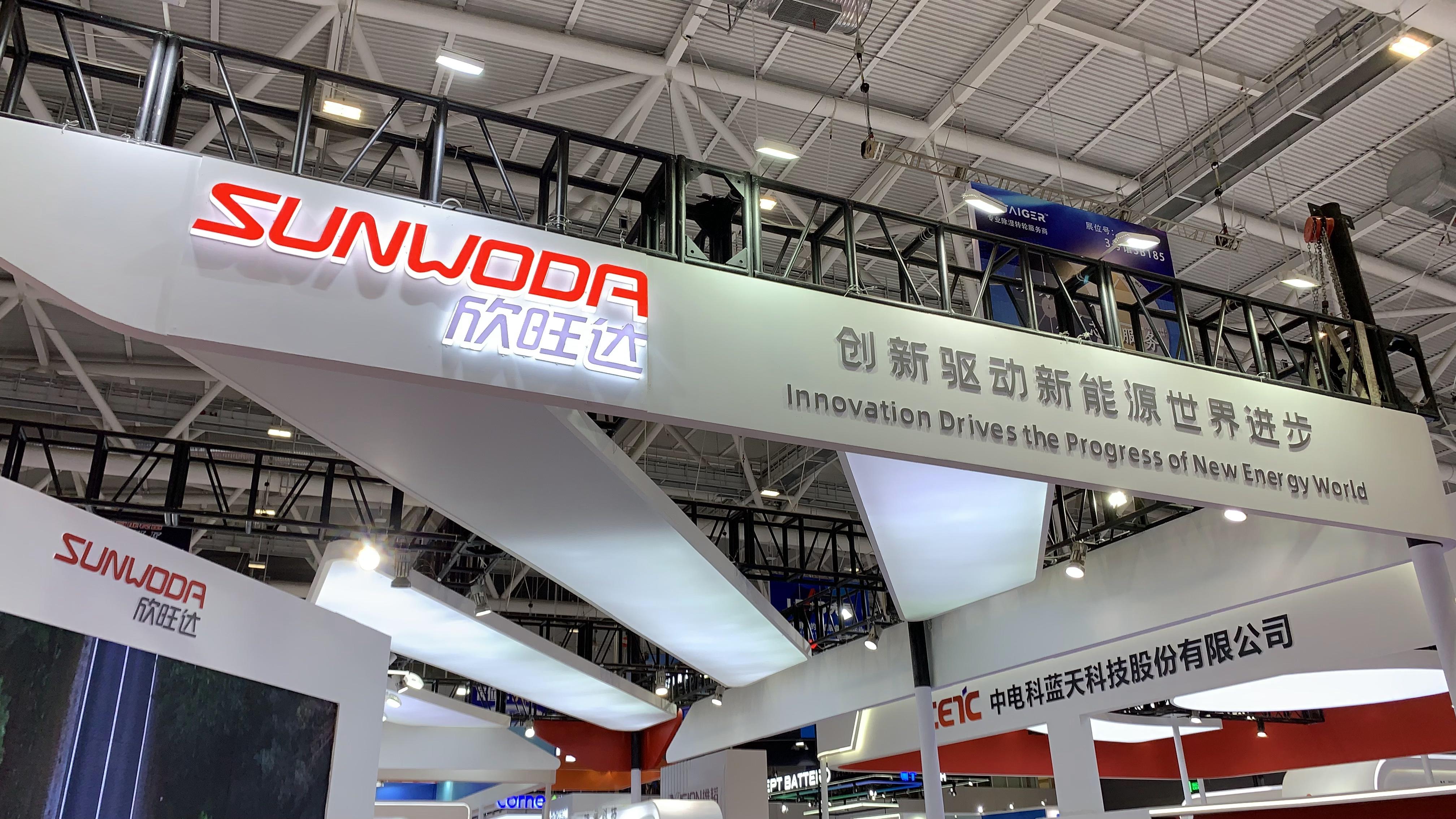
Founded in 1997, Sunwoda is a leading Chinese lithium-ion battery manufacturer, producing batteries for EVs and energy storage systems (ESS). Its clients include major global automakers such as Renault, Nissan, Geely Auto Group, and Dongfeng Motor. However, the company has found itself entangled in a series of lawsuits initiated by LG Energy Solution, one of the most patent-rich companies in the battery industry.
In the most recent lawsuit, LG Energy claimed that Sunwoda’s prismatic batteries — specifically those used in the Dacia Spring, an entry-level EV popular in Europe — infringed on LG’s patented electrode assembly structure. The disputed technology involves the robust integration of electrode layers using a coated separator, ensuring durability and high performance in both EV and ESS applications.
The German court sided with LG Energy, ordering Sunwoda to:
- Cease sales of infringing battery products in Germany
- Recall and destroy existing stock
- Submit accounting and sales data related to the infringing products
- Compensate LG Energy Solution for damages
While Sunwoda retains the right to appeal, the ruling is immediately enforceable, creating immediate commercial implications for the Chinese firm’s operations in Germany.
Repeated Victories for LG Energy
This latest win marks the third consecutive victory for LG Energy Solution in its patent battle with Sunwoda. Back in May 2025, the South Korean company won two additional lawsuits in Germany concerning its safety-reinforced separator (SRS) coating technology, a proprietary feature critical for improving battery safety and performance.
In those cases, German courts also ruled in favor of LG Energy, imposing bans on the affected Sunwoda batteries and ordering corrective actions. Those rulings are currently under appeal, but LG’s strong legal momentum signals its determination to protect its IP portfolio at all costs.
The Bigger Picture: Patents as Strategic Assets
With over 40,000 registered patents and 72,000 applications as of early 2025, LG Energy Solution is among the most IP-intensive companies in the battery sector. The company has publicly vowed to crack down on what it calls “patent freeloading”, referring to competitors who adopt or mimic its proprietary technologies without proper licensing.
“We have already identified numerous commercialized products from competitors — ranging from small batteries for IT devices to large EV batteries — that infringe on our proprietary technologies,”
said an LG Energy spokesperson.
“We will respond firmly through lawsuits and warnings while also leading the creation of a global battery patent licensing market to ensure fair competition.”
The statement underscores a broader strategy not just to defend LG’s technological edge, but also to help shape global norms around battery patent licensing — an area that is gaining importance as competition in energy technology grows fiercer.
Growing Global Scrutiny of Chinese Battery Firms
This case also spotlights the rising global scrutiny of Chinese battery manufacturers, who have expanded rapidly into international markets, often with cost-competitive products. However, their growth is now increasingly checked by legal and regulatory challenges, particularly in regions like the EU where IP enforcement is robust.
Companies like Sunwoda, CATL, and BYD are investing heavily in overseas manufacturing and partnerships, especially in Europe, to tap into growing EV demand and to sidestep protectionist policies. Yet, the lack of comprehensive IP portfolios and reliance on reverse engineering or close replication of foreign technologies has left some vulnerable to lawsuits and sales bans, as illustrated by the LG-Sunwoda conflict.
Impact on the EV and ESS Market
The implications of this legal conflict are far-reaching. The Dacia Spring, which relies on Sunwoda’s prismatic batteries, is one of the most affordable EVs in the European market. A sales ban on its batteries could disrupt supply chains, push automakers to seek alternative suppliers, and even reshape procurement strategies for key components.
Meanwhile, LG Energy’s aggressive defense of its patents may prompt other battery developers to accelerate R&D investment, seek licensing agreements, or forge joint ventures to gain access to protected technologies. It also raises the bar for new entrants into the battery supply chain, where patent protection is now as critical as manufacturing capacity or cost efficiency.
What’s Next?
Although Sunwoda has yet to comment publicly on the latest ruling, it is likely to pursue an appeal. However, legal experts note that German courts are typically rigorous in enforcing IP protections, and reversal of such rulings can be rare unless clear procedural errors are proven.
Meanwhile, LG Energy is expected to continue its global IP enforcement campaign, possibly expanding litigation to other jurisdictions such as the United States, where it has already engaged in legal battles with companies like SK Innovation in the past.
The rising tide of IP litigation suggests that the next phase of global EV competition won’t just be fought over battery chemistry, energy density, or cost — it will be fought in courtrooms, over the ownership and licensing of the very technologies that power the EV revolution.
Conclusion
As LG Energy Solution secures its third court win against Sunwoda, a new chapter unfolds in the global battery wars. This case not only underscores the importance of intellectual property in the clean tech sector, but also highlights the strategic risks companies face when venturing into international markets without strong patent portfolios. In a world rapidly shifting to electric mobility and renewable energy, the winners may be those who can innovate — and legally defend — their technologies.