A prominent European electric vehicle repair facility is sounding the alarm on Tesla Model 3 and Model Y vehicles equipped with LG-manufactured batteries from China, claiming these battery packs are experiencing “catastrophic” failure rates with significantly shorter lifespans compared to Panasonic-produced packs.
For years, Tesla’s pivot to Chinese battery suppliers has been viewed largely positively, particularly with CATL’s Lithium Iron Phosphate (LFP) battery packs demonstrating exceptional durability. However, Tesla also sources Nickel Manganese Cobalt (NMC) cells from LG Energy Solution’s Nanjing facility for its Long Range and Performance models sold in Europe and parts of Asia.
Now, EV Clinic, a Croatia-based independent research and repair facility known for its deep-dive battery diagnostics, has issued a severe warning specifically targeting these LG NCM811 battery packs.
Striking Performance Gap: Panasonic 250,000 Miles vs. LG 150,000 Miles
According to data from EV Clinic’s repair center, there is a stark quality difference between Tesla’s two main high-energy-density battery packs: the US-made Panasonic NCA packs and the China-made LG NCM packs.
The repair facility states: “We are raising serious concerns about Tesla Model 3/Y LG NCM811 battery packs (LGES Nanjing), which exhibit very high failure rates and significantly shorter lifespans compared to Panasonic NCA packs (Made in USA).”
The shop claims that Panasonic battery packs are generally repairable and can last up to 250,000 miles (approximately 400,000 km) before cell failure, while the LG equivalents are approaching end-of-life at around 150,000 miles (approximately 240,000 km).
Over 90% of LG Battery Packs Cannot Be Repaired at Cell Level
More concerning is the nature of the failure. EV Clinic reports that in over 90% of the LG battery pack cases they encounter, cell-level repair is “impossible.”
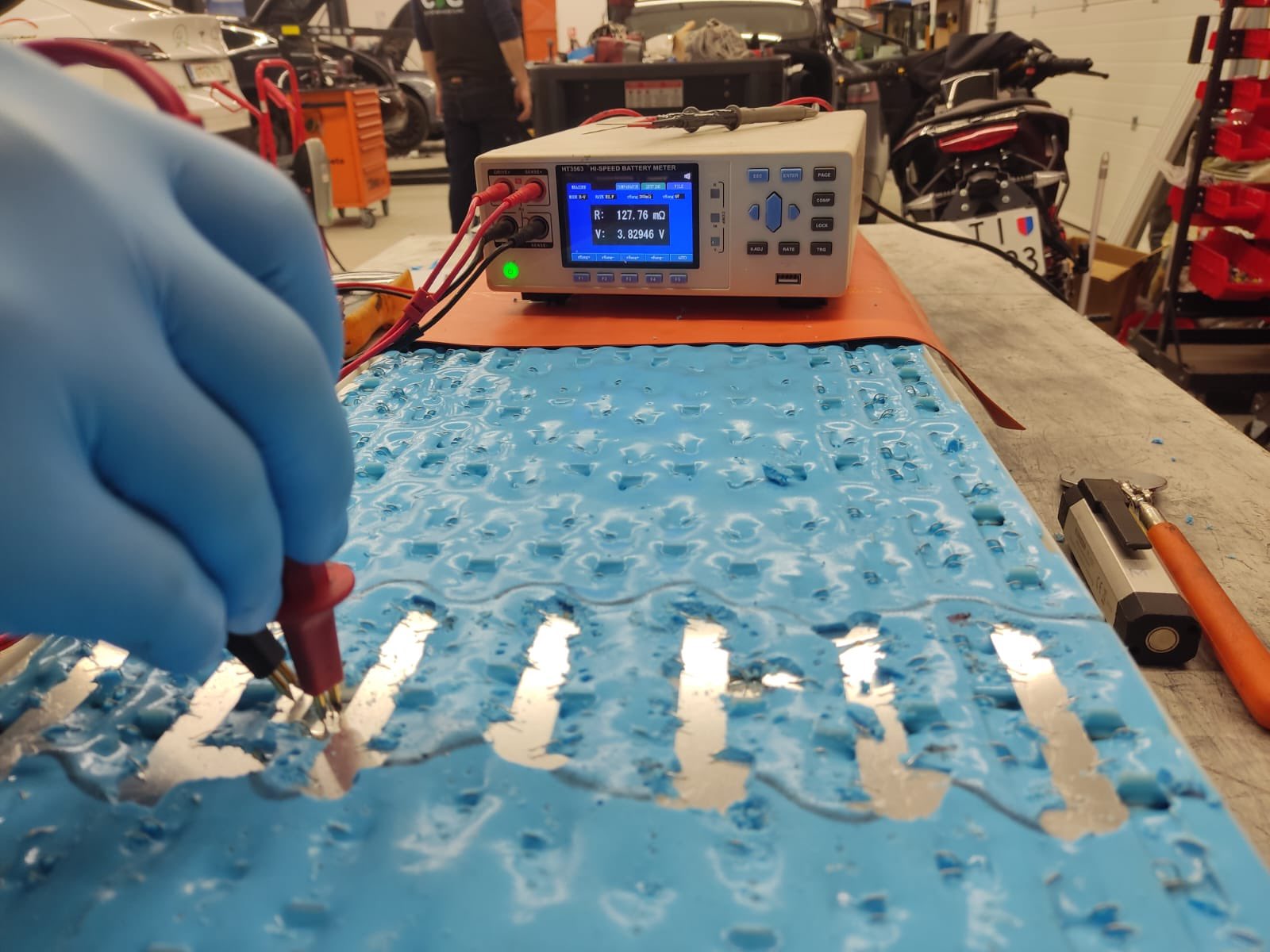
The issue appears to be widespread degradation across modules rather than a single faulty cell bringing down the entire pack. They found that LG cells typically exhibit extremely high internal resistance.
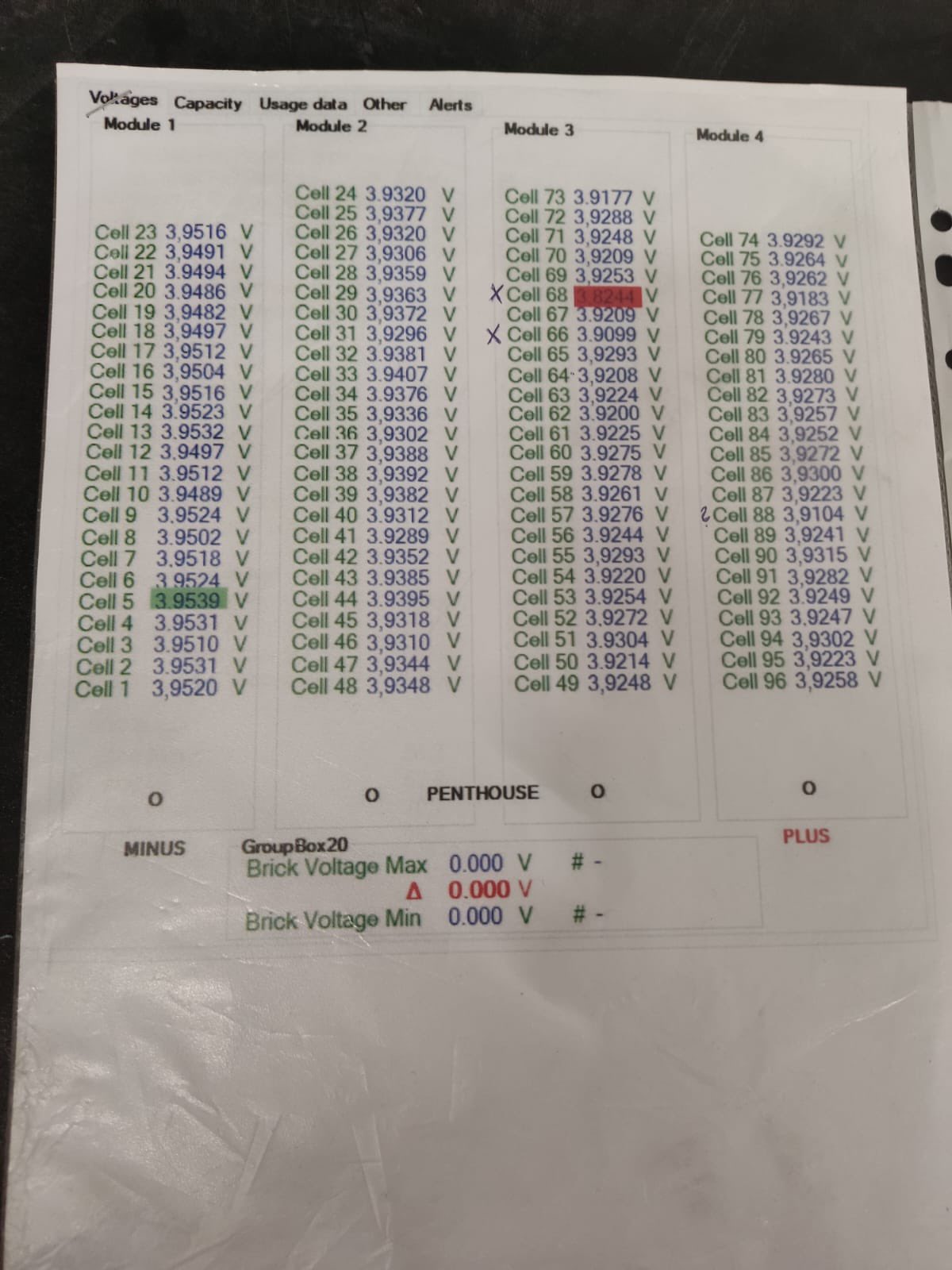
The lab’s shared data reveals: “A failing Panasonic cell hits roughly 28 mΩ, which is the measurement for LG cells when brand new… Out of 46 cells, it’s common to find 15 cells over 100 mΩ ACIR, and the remaining 30 cells above 50 mΩ ACIR.”
Because the degradation is so uniform and severe, replacing a single faulty module is described as “operationally unsustainable,” as the remaining weakened cells are likely to fail in a cascade shortly after replacement.
Repair Shop Losing Over €20,000 Monthly
This issue has become so problematic for the repair facility that they announced they are introducing a “feasibility fee” just to assess whether these specific packs can be repaired, noting they are “losing over €20,000 each month” attempting to fix packs that are effectively beyond repair.
EV Clinic stated: “At this moment, during ongoing experimental testing with real customers experiencing LG failures, we are losing over €20,000 per month in operational time while investigating whether LG’s Chinese NCM811 systems can be sustainably repaired. At this stage, we can confidently say: the cells are, to put it mildly, catastrophic. Panasonic has mostly single-cell failures at 250,000km, and it is repairable, whereas LG has multiple-cell failures.”
The facility’s advice to owners with failed LG battery packs? Swap it for a used Panasonic pack or go to Tesla for a full replacement.
Questions About Tesla’s Supply Chain Strategy
This warning casts a shadow over Tesla’s battery supply chain diversification strategy. While partnerships with Chinese battery manufacturers have helped Tesla reduce costs and expand capacity, such significant differences in quality and durability could damage brand reputation and increase long-term warranty costs.
Notably, LG Energy Solution is one of the world’s leading power battery manufacturers, supplying multiple mainstream automakers. This specific issue appears concentrated in the NCM811 chemistry batteries produced at its Nanjing facility, used for Tesla’s Long Range and Performance models in European and Asian markets.
It remains unclear whether Tesla is aware of this issue or whether any corrective measures are planned. For consumers considering or already owning Tesla vehicles equipped with LG battery packs, this report undoubtedly raises important questions about long-term reliability and repair costs.
As the electric vehicle market matures, battery durability and repairability are becoming increasingly important factors in consumer decision-making. This warning from EV Clinic may prompt the entire industry to conduct more rigorous scrutiny of battery quality from different suppliers and manufacturing locations.