$1.4 Billion New Contract: Focusing on Mid-Range Market
LG Energy Solution disclosed through a regulatory filing on December 8 that it has signed a battery supply agreement worth 2.06 trillion won (approximately $1.4 billion) with Mercedes-Benz AG. Under the agreement, LG Energy Solution will supply batteries for Mercedes electric vehicles in North America and Europe from March 1, 2028, through June 30, 2035, spanning seven years.

The contract value represents 8% of LG Energy Solution’s total 2024 revenue of 25.62 trillion won. Notably, LG Energy Solution stated in the regulatory filing that the specific contract amount, duration, and other terms remain subject to change based on agreements with the customer.
Multiple Korean media outlets, citing industry sources, reported that this order is expected to involve 15-20 gigawatt-hours (GWh) of lithium iron phosphate (LFP) batteries, typically used in mid- to lower-priced electric vehicles. This differs from previous contracts, which primarily involved 46-series cylindrical batteries for high-performance, premium models.
Four Contracts in Two Years: Strategic Partnership Deepens
This marks the fourth major supply agreement between LG Energy Solution and Mercedes-Benz in just two years, reflecting the continued strengthening of their partnership.
The first contract was signed in October 2024, involving 50.5 GWh of battery capacity. While details were limited at the time, Korean media reported that the contract was based on 46-series cylindrical batteries, scheduled for delivery starting in 2028.
The second and third contracts were announced simultaneously in September 2025, totaling 107 GWh and divided into two parts:
- 75 GWh for Mercedes’ U.S. affiliate, from mid-2029 through end of 2037
- 32 GWh for Mercedes Europe, from mid-2028 through end of 2035
Korean media estimated these two contracts at approximately 15 trillion won (about $10.8 billion), based on prevailing prices for LG Energy Solution’s next-generation 46-series cylindrical batteries, which measure 46 millimeters in diameter.
Including the latest $1.4 billion contract, LG Energy Solution’s total battery supply value to Mercedes-Benz has reached approximately $16 billion.
Emerging from Fierce Competition
Korean media revealed that the September 107 GWh order was secured after intense competition with Chinese battery manufacturers CATL and Farasis Energy. All three companies are currently regular battery suppliers to Mercedes-Benz.
Although Mercedes-Benz participates in the European battery manufacturing joint venture ACC (Automotive Cells Company), its battery demand far exceeds ACC’s planned production capacity. More critically, two of ACC’s three planned factories are currently on hold, and the proposed Italian facility is reportedly on the verge of cancellation.
This situation has prompted Mercedes-Benz CEO Ola Källenius to seek more stable supplier relationships. In mid-November 2024, Källenius met with LG Group representatives in Seoul to discuss future collaboration in the mobility sector. The Mercedes executive subsequently stated that Mercedes-Benz and LG share a common vision based on innovation, quality, and sustainability, working together to set new standards in the global automotive industry.
Key Component of Mercedes’ Electrification Strategy
Mercedes-Benz is pursuing an ambitious electrification strategy, planning to launch 40 new models globally by 2027, spanning entry-level to premium segments.
The most anticipated is models built on the new MMA (Mercedes Modular Architecture) platform. The 2026 CLA 250+ EV will be the first model using this platform, scheduled for launch in Q1 2025. The vehicle features an 800-volt electrical architecture, EPA-rated range of 374 miles (approximately 602 kilometers), with a starting price of $47,250.
According to official Mercedes information, the electric CLA is equipped with an 85 kWh battery pack and maximum charging power of 320 kilowatts, enabling over 300 kilometers of range to be added in just 10 minutes. The model officially entered production at the Rastatt plant in Germany in June 2025, with WLTP range approaching 800 kilometers.
Beyond the CLA, Mercedes plans to introduce an MMA platform-based compact crossover and the GLC EV using the MB.EA platform, expected to launch by the end of 2025.
LG Energy Solution: Record Year for Orders in 2025
Despite ongoing concerns about slowing electric vehicle market growth, LG Energy Solution has had a banner year in 2025. Beyond multiple contracts with Mercedes-Benz, the company has signed other major agreements:
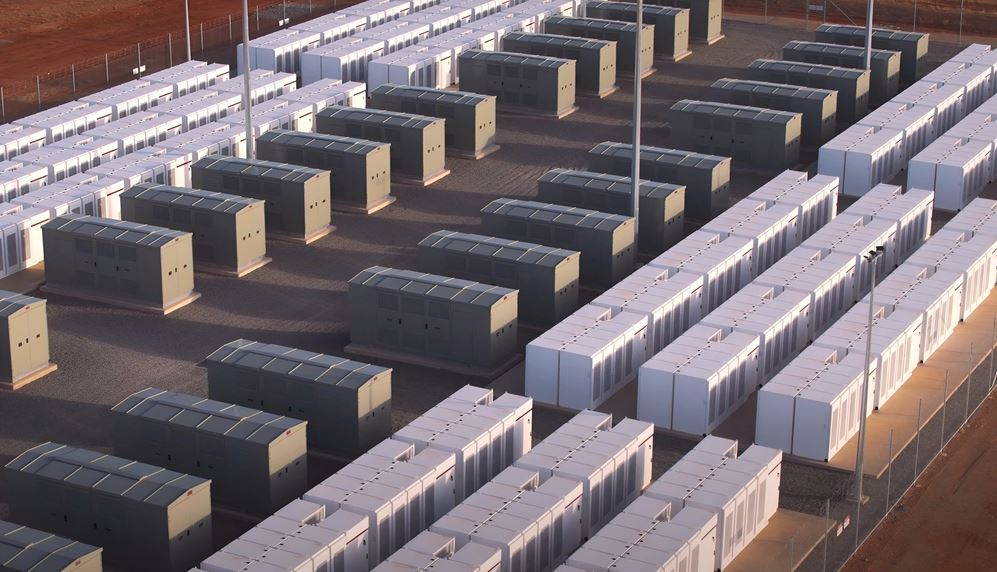
- $4.3 billion order with Tesla: Supplying lithium iron phosphate energy storage batteries, marking a significant breakthrough in the energy storage sector
- Collaboration with General Motors: Joint development of lithium manganese-rich (LMR) batteries for GM’s full-size trucks and SUVs, planned for delivery starting in 2028
- Joint venture with Toyota Tsusho: Expanding influence in the Japanese market
As the world’s third-largest electric vehicle battery manufacturer, LG Energy Solution is actively expanding production capacity. The company’s dedicated 46-series cylindrical battery factory under construction in Arizona is scheduled for completion in 2027 and will serve as the primary production base for supplying Mercedes-Benz orders. Additionally, LG Energy Solution plans to produce LFP batteries at its U.S. and European facilities to meet the latest contract requirements.
Diversified Battery Technology Portfolio
Multiple contracts between LG Energy Solution and Mercedes demonstrate a clear technology differentiation strategy:
46-series cylindrical batteries are primarily used for high-end, high-performance models. These batteries, measuring 46 millimeters in diameter, reduce the number of cells required per electric vehicle from 3,000-4,000 traditional 2170 batteries to just 600-1,300, significantly reducing vehicle weight and improving energy efficiency.
Lithium iron phosphate (LFP) batteries target the mid-to-lower market. These batteries offer lower costs and higher safety, and while energy density is relatively lower, they represent an ideal choice for cost-conscious consumers.
This diversified product portfolio enables LG Energy Solution to meet Mercedes-Benz’s complete range of electric vehicle needs from entry-level to luxury segments, while also reflecting the global electric vehicle market’s move toward segmentation and differentiated competition.
Industry Implications: Long-Term Confidence Remains Strong
Despite uncertainties regarding EV demand from factors such as changes to U.S. federal tax credits and revised fuel economy regulations, these multi-billion dollar orders indicate that automakers’ long-term confidence in electrification remains firm.
Industry insiders note that even if the electric vehicle market contracts in the short term, these long-term orders demonstrate that automakers expect increasing reliance on battery power in the future. For traditional luxury automakers like Mercedes-Benz, securing stable battery supply has become an indispensable component of their electrification transformation strategy.
The deepening cooperation between LG Energy Solution and Mercedes-Benz not only consolidates the former’s position as a top-tier global battery supplier but also provides solid technical support for the latter’s electrification strategy. As their collaboration continues to deepen, this strategic partnership is expected to expand further into the broader electric vehicle ecosystem in the coming years.