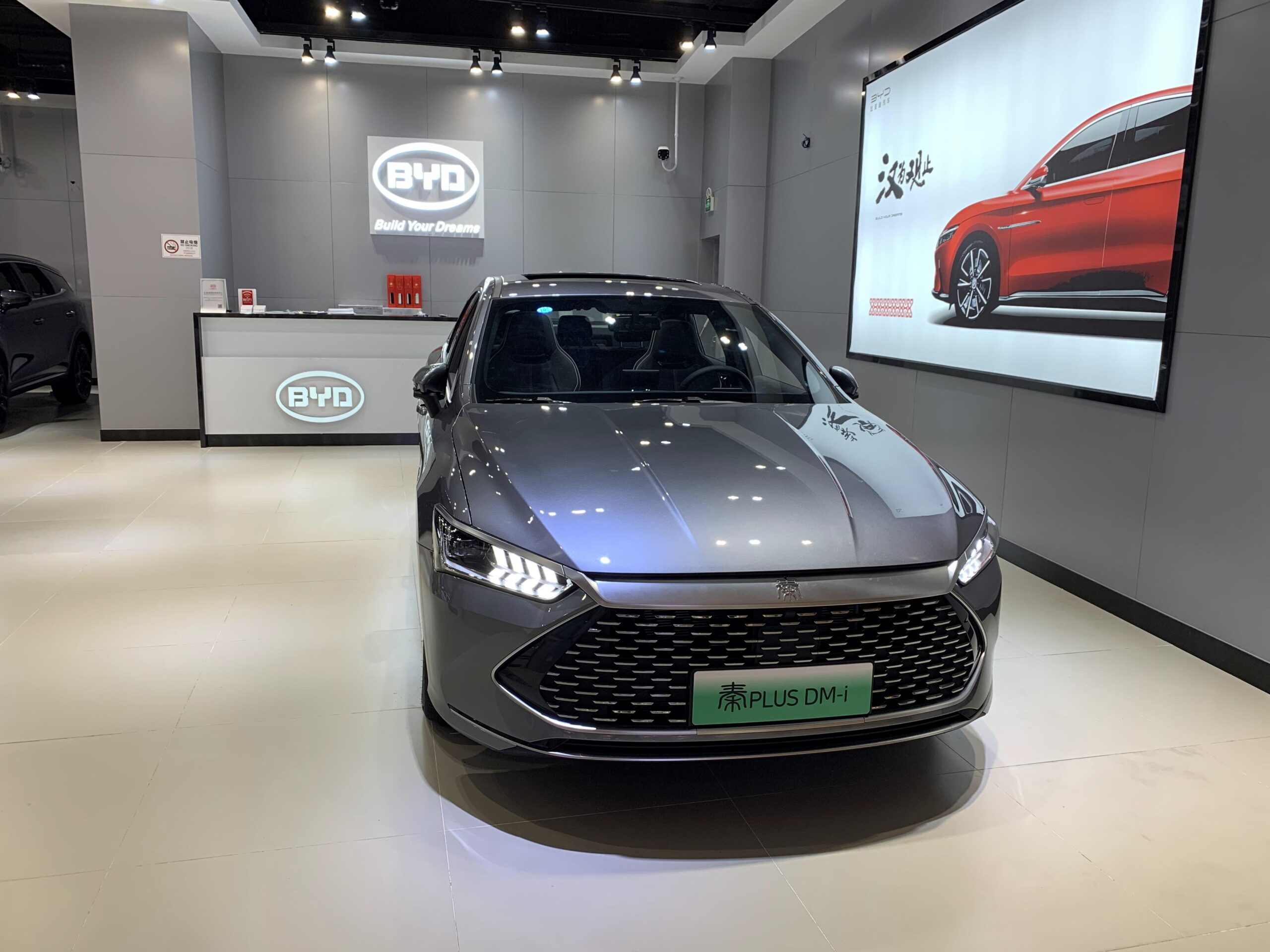
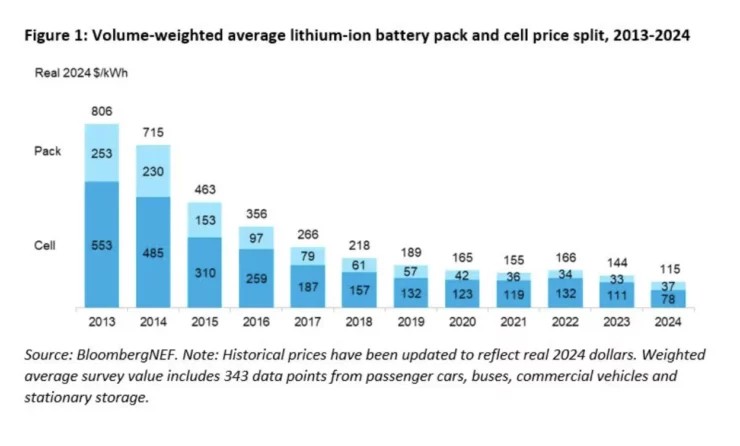
As the world eagerly anticipates the breakthrough of solid-state batteries, a more immediate and practical solution is taking shape in the form of silicon anode cells. These batteries, which replace traditional graphite with 100% silicon anodes, are poised to revolutionize energy storage in electric vehicles (EVs) and consumer electronics. With a key ingredient sourced from the United States, silicon anode batteries represent a significant leap forward in battery technology. This article explores the key developments, performance advantages, and market potential of silicon anode。
The Prom
Silicon has long been recognized as a promising material for battery anodes due to its ability to store more energy than graphite. While graphite has been the standard anode material in lithium-ion batteries, it only offers a limited energy density. Silicon, on the other hand, can store up to five times more energy than graphite, making it an ideal candidate for next-generation batteries. However, one of the challenges with using silicon in batteries is its tendency to expand and contract during charge and discharge cycles, which can lead to capacity loss and degradation over time.
To address this issue, companies like Group14 Technologies have developed advanced silicon-carbon composites, which help mitigate the expansion of silicon while maintaining its superior energy storage capacity. This innovation has led to the creation of the SCC55 material, a nanostructured silicon-carbon composite that has shown exceptional performance in prototype batteries.
Sionic Energy’s Silicon Anode Battery Technology
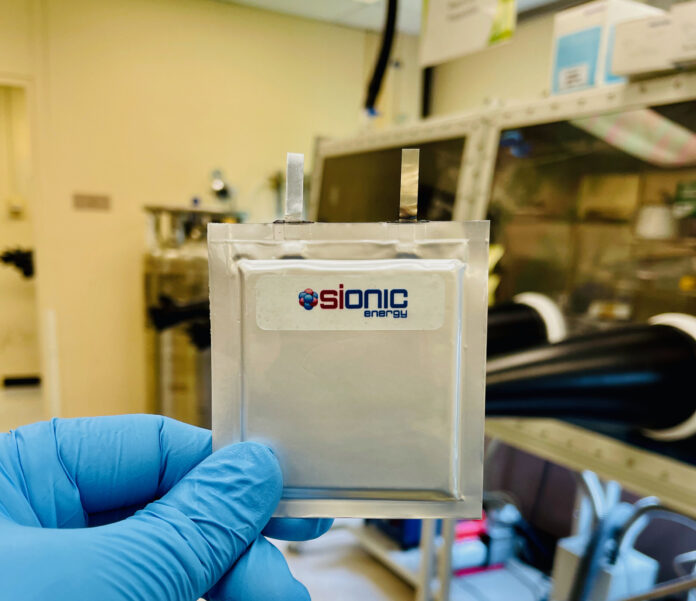
Sionic Energy, a leading player in the silicon battery space, has recently unveiled a robust battery technology that entirely replaces graphite with a 100% silicon anode. This new battery, developed in collaboration with Group14 Technologies, promises to deliver significant improvements in energy density and charge times compared to current lithium-ion batteries.
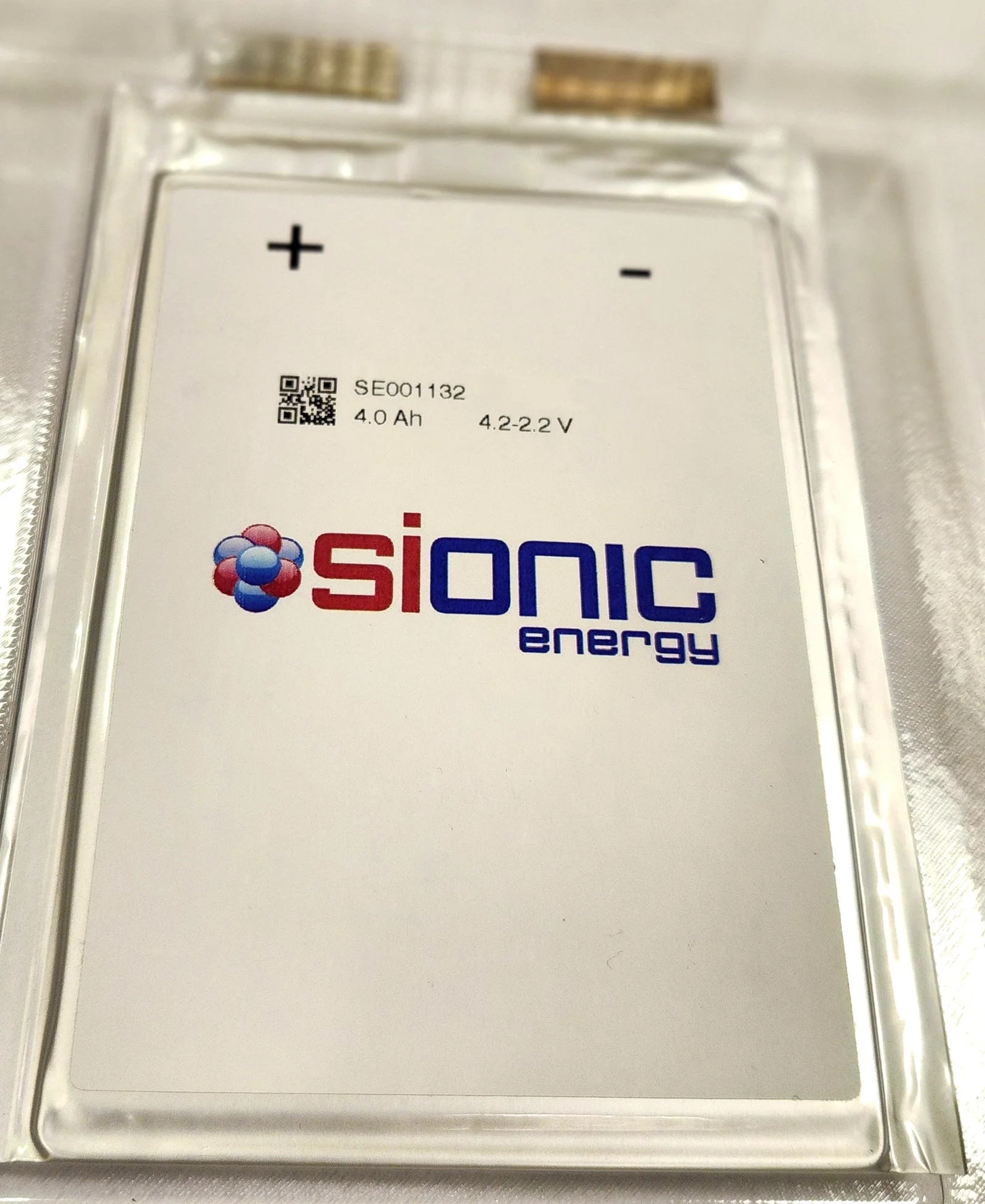
The performance of Sionic Energy’s batteries is a result of its use of SCC55, a patented silicon-carbon composite material produced by Group14. This material is designed to enhance the stability of silicon during cycling, allowing for greater energy storage without sacrificing battery life. The performance metrics of Sionic’s battery are impressive, with a specific energy of at least 330 watt-hours per kilogram (Wh/kg) and a volumetric density of at least 842 watt-hours per liter (Wh/L). In comparison, Tesla’s top-performing nickel-rich 4680 cells have a specific energy ranging from 272 to 296 Wh/kg and a volumetric density of 716 Wh/L. Furthermore, Sionic’s battery is expected to offer a cycle life of up to 1,200 cycles in certain cell formats, significantly outlasting current battery technologies.
One of the key advantages of Sionic’s technology is its ability to be integrated into existing lithium-ion battery manufacturing facilities. This “drop-in” approach allows for a faster path to commercialization and a lower cost of production, as manufacturers do not need to invest in entirely new infrastructure. This makes silicon anode batteries a more feasible solution for scaling up production compared to more radical innovations like solid-state batteries.
Boosting Energy Density and Reducing Charging Times
One of the most exciting aspects of silicon anode batteries is their potential to increase energy density by up to 50% compared to today’s best nickel-rich lithium-ion batteries. This improvement in energy density means that electric vehicles (EVs) could achieve longer ranges without increasing battery size or weight, addressing one of the key limitations of current EV technology.
In addition to improved energy density, silicon anode batteries are also expected to dramatically reduce charging times. According to Sionic Energy and Group14 Technologies, silicon anodes could enable charging times as short as 10 minutes, which is a significant improvement over current lithium-ion batteries that can take hours to fully charge. This breakthrough in charging speed could make EVs more convenient to use, helping to accelerate the adoption of electric vehicles worldwide.
The faster ion movement enabled by silicon anodes is key to these improvements. Ed Williams, CEO of Sionic Energy, explains that “the ions can move much faster” in a silicon-based system, making it more conducive to high performance. This ability to charge quickly without compromising energy density positions silicon anode batteries as a game-changer in the energy storage industry.
Real-World Applications and Market Potential
The commercial potential of silicon anode batteries extends far beyond electric vehicles. Sionic Energy is targeting multiple sectors, including consumer electronics and electric vertical takeoff and landing (eVTOL) aircraft. Silicon anode batteries can offer substantial improvements in energy storage for portable devices like smartphones, laptops, and tablets, leading to longer battery life and shorter charging times. In eVTOL aircraft, which rely on lightweight, high-performance batteries for vertical flight, silicon anodes could help improve range and reduce charging times, making electric aviation more viable.
The automotive industry is also an early adopter of silicon anode technology. Sionic Energy has already announced partnerships with major automakers, and Group14’s SCC55 material is being used in prototype batteries for high-performance vehicles like the McMurtry Spéirling track car. These vehicles use silicon anode batteries from Taiwan’s Molicel, which claim to charge from 0% to 100% in just 12 minutes, one-third faster than current EVs. In the near future, production models using silicon anode technology may charge in as little as 90 seconds, according to Molicel’s plans.
Moreover, major automotive companies like Porsche AG are investing heavily in silicon anode technology. In 2022, Porsche took a $100 million stake in Group14 Technologies, underscoring the automotive industry’s belief in the transformative potential of silicon anodes. Group14 is also receiving significant support from the U.S. Department of Energy, which has selected the company to receive up to $200 million in funding to scale up its production of silicon materials.
Overcoming the Challenges of Scaling Up
While silicon anode batteries show immense promise, there are still challenges to be overcome. One of the main hurdles is the scaling up of production. To meet the growing demand for silicon-based materials, Group14 is building a new factory in Moses Lake, Washington, which is set to open in the first quarter of 2025. This facility will have an annual capacity of 4,000 tons of SCC55 material, enough to supply 20 gigawatt hours of cells, which could power 100,000 to 200,000 EVs or millions of consumer devices.
In addition to its U.S. operations, Group14 is expanding its production capacity in South Korea through a joint venture with SK Inc., which will help the company reach a total capacity of 30 gigawatt hours annually. This scale-up is critical for meeting the global demand for silicon anode batteries and positioning the U.S. as a leader in advanced battery technologies.
Conclusion
Silicon anode batteries are on the verge of revolutionizing energy storage technology. By replacing graphite with silicon, these batteries offer significant improvements in energy density, charging speed, and overall performance. Companies like Sionic Energy and Group14 Technologies are leading the way in developing and commercializing these batteries, with applications ranging from electric vehicles to consumer electronics and eVTOL aircraft.
With the backing of major automakers and government support, silicon anode batteries are poised to play a critical role in the transition to cleaner, more efficient energy storage systems. As production scales up and costs come down, silicon anode technology will likely become the new standard in battery technology, helping to accelerate the adoption of electric vehicles and other energy-intensive technologies.