In a groundbreaking move, Hyundai Motor Company and Samsung SDI have joined forces to develop high-performance batteries specifically designed for robots. This collaboration marks a significant step in the evolution of robotics technology, as both companies leverage their expertise in electric vehicle (EV) batteries and advanced engineering to address the unique challenges posed by robot power systems. The partnership is expected to not only advance the field of robotics but also solidify South Korea’s position as a global leader in innovative technologies.
A Strategic Alliance for Robotics
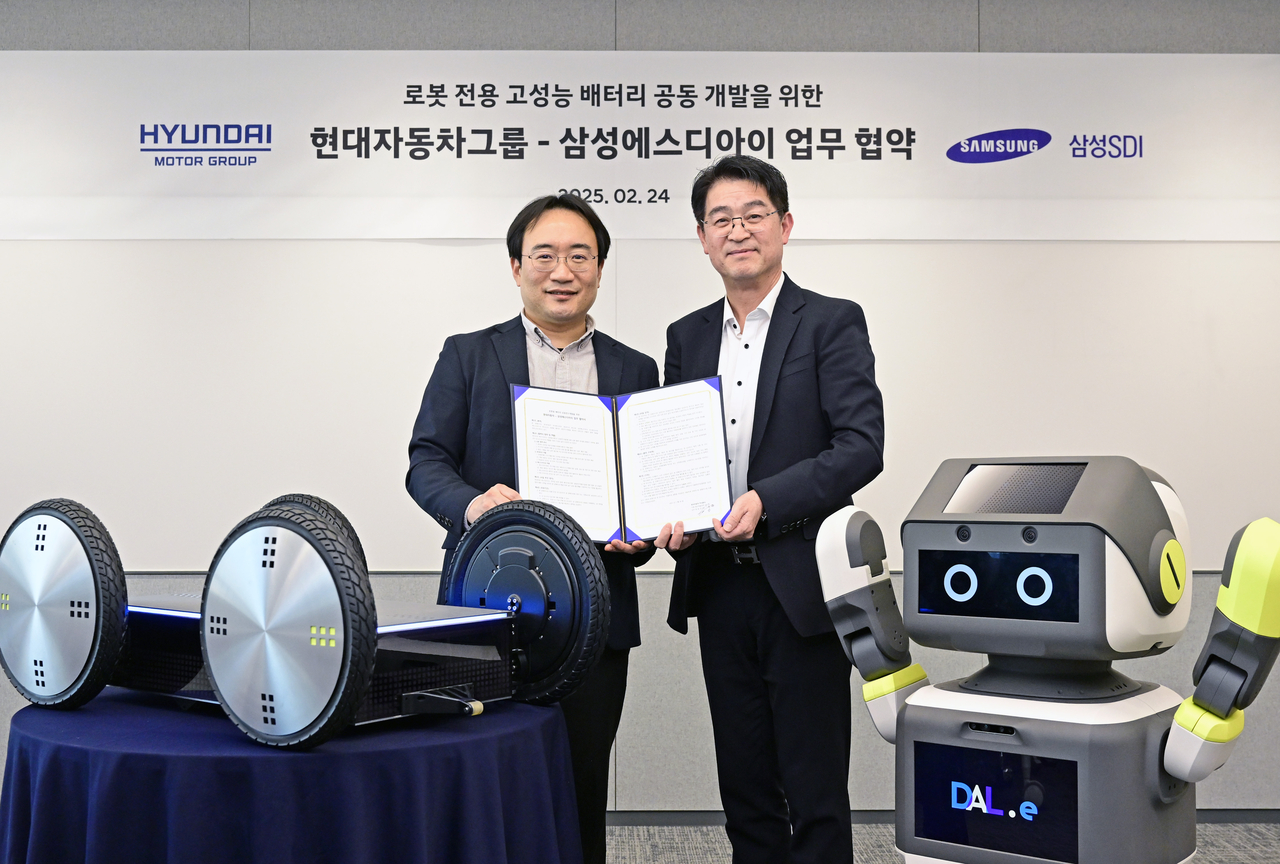
The memorandum of understanding (MoU) signed by Hyundai Motor, Kia, and Samsung SDI on March 4, 2025, signals a new era of collaboration between two of Korea’s largest conglomerates. The agreement focuses on the co-development of robot-optimized batteries, combining Hyundai’s robotics expertise with Samsung SDI’s battery technology. This partnership is part of a broader strategy to expand the robotics industry and position South Korea at the forefront of this rapidly growing field.
Currently, most robots rely on smaller batteries designed for power tools or light electric vehicles, which are not ideal for robotic applications. These batteries often struggle to meet the energy density and output requirements needed for advanced robotics. Hyundai and Samsung aim to overcome these limitations by creating specialized batteries that are compact yet powerful, capable of delivering high energy outputs while fitting seamlessly into robots’ complex structures.
Revolutionizing Robot Power Systems
The primary goal of this collaboration is to develop batteries tailored to the unique demands of robotics. These batteries will need to address several key challenges:
- Space Constraints: Robots have irregular and often limited spaces for battery placement, making it difficult to use standard battery designs.
- Energy Density: Existing batteries may not provide sufficient energy density to meet the power needs of advanced robots.
- Usage Time: Enhanced battery life is critical for robots designed for extended operational hours or complex tasks.
Under the agreement, Samsung SDI will focus on developing high-capacity materials and optimizing battery designs to maximize efficiency, while Hyundai Motor will handle the application and evaluation of these batteries in robotic systems. This division of labor ensures that both companies can leverage their respective strengths to achieve the best results.
A Win-Win Collaboration
The partnership is a win-win for both companies. For Hyundai, it represents an opportunity to enhance its leadership in the robotics sector, particularly with its acquisition of Boston Dynamics, a leader in humanoid robots. Hyundai’s Robotics LAB will work closely with Samsung SDI to ensure that the new batteries meet the unique needs of advanced robotic systems.
For Samsung SDI, this collaboration provides a pathway to expand its battery technology into a new market—robotics. By combining its expertise in EV batteries with Hyundai’s robotics know-how, Samsung can develop innovative solutions that set it apart from competitors.
Market Expansion and Industry Growth
The agreement also includes joint efforts to market and promote robot technologies. As part of this initiative, Hyundai’s delivery service robots, such as DAL-e and MobED, will be showcased at Samsung SDI’s exhibition booth during the InterBattery 2025 event in Seoul. This public demonstration aims to highlight the potential of robotics and the importance of specialized battery technology in advancing the field.
The global robotics market is poised for exponential growth, driven by advancements in artificial intelligence (AI) and machine learning. According to Goldman Sachs, the humanoid robot market alone could reach $38 billion by 2035. Hyundai and Samsung are well-positioned to capitalize on this trend, given their significant investments in robotics research and development.
A Larger Vision: Dominance in Robotics
This collaboration is part of a larger strategy for both companies to achieve dominance in the global robotics market. Hyundai’s acquisition of Boston Dynamics and its ongoing investment in robotics innovation demonstrate its commitment to becoming a leader in this field. Similarly, Samsung’s expertise in battery technology positions it as a key player in enabling the next generation of robotic systems.
The partnership also aligns with South Korea’s broader goals of becoming a global hub for advanced technologies. By combining the strengths of two of the country’s largest corporations, Hyundai and Samsung are setting an example for other industries to follow.
Conclusion
Hyundai and Samsung’s collaboration to develop specialized batteries for robots represents a significant step forward in the field of robotics technology. This partnership not only addresses critical challenges in robot power systems but also positions South Korea at the forefront of innovation. As the robotics industry continues to grow, this strategic alliance is expected to play a pivotal role in shaping its future.