In a bold move to strengthen its position in the electric vehicle (EV) market, Hyundai Motor has announced the establishment of its first dedicated battery research center in Anseong, Gyeonggi Province. This new facility is set to play a pivotal role in developing cutting-edge battery technologies, potentially positioning Hyundai alongside global EV giants like China’s BYD, which manufactures its own batteries for its vehicle brands. The move underscores Hyundai’s strategic shift toward reducing reliance on external battery suppliers and enhancing cost efficiency.
A New Era of Battery Innovation
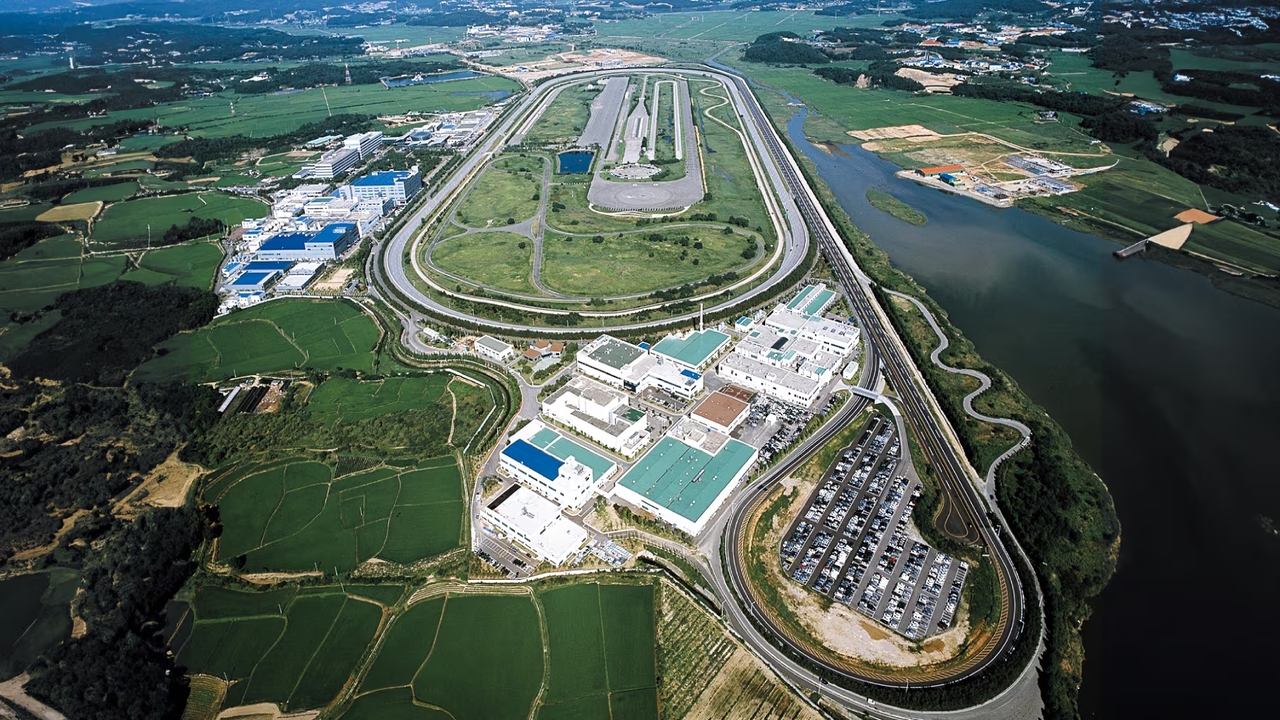
The Anseong research center, code-named “Mobility Alpha Line Anseong Center,” is expected to begin construction as early as March 2025, with completion projected for 2027. This state-of-the-art facility will focus exclusively on EV battery development, marking Hyundai’s first independent research and development (R&D) hub dedicated entirely to batteries. Currently, Hyundai collaborates with Seoul National University on battery research, but the new center represents a significant step toward achieving self-sufficiency in battery technology.
The Anseong center will develop a range of advanced battery technologies, including cost-effective lithium iron phosphate (LFP) batteries and high-performance nickel-cobalt-manganese (NCM) batteries. These innovations are expected to enhance EV performance while reducing costs—a critical factor in making electric vehicles more accessible to the mass market.
Strategic Investments and Future Plans
Hyundai has committed substantial resources to this project, investing hundreds of billions of won. The company is also considering expanding the facility’s capacity beyond a pilot line to small-scale production. This decision reflects Hyundai’s long-term vision to secure a competitive edge in the EV battery industry.
According to industry experts, Hyundai’s move to develop its own batteries is a strategic response to the growing demand for affordable and high-performance EVs. By reducing reliance on external suppliers, Hyundai aims to lower the battery’s share of total EV production costs from 40% to below 30%, similar to BYD.
The facility will also focus on next-generation battery technologies, including all-solid-state batteries known for their high safety and energy density. These advanced batteries are expected to be tested and optimized at the Uiwang research center, which is set to open a next-generation battery research wing by 2030.
Paving the Way for EV Dominance
Hyundai’s new battery research center is not just about technological innovation—it’s about securing a competitive edge in the global EV market. By investing heavily in battery R&D, Hyundai aims to position itself as a leader in the EV industry, where battery technology is a key determinant of vehicle performance and range.
The company’s long-term plan includes beginning pilot production of EVs equipped with all-solid-state batteries by 2025, with mass production targeted for 2027. This ambitious timeline highlights Hyundai’s commitment to innovation and its vision to lead the transition to sustainable mobility.