China’s largest electric vehicle (EV) manufacturer, BYD, has decided to pause its planned expansion into Mexico due to rising geopolitical tensions and trade policy uncertainty under former U.S. President Donald Trump. The move highlights the complex challenges facing global automakers navigating today’s volatile political climate, especially when targeting markets in the Americas.
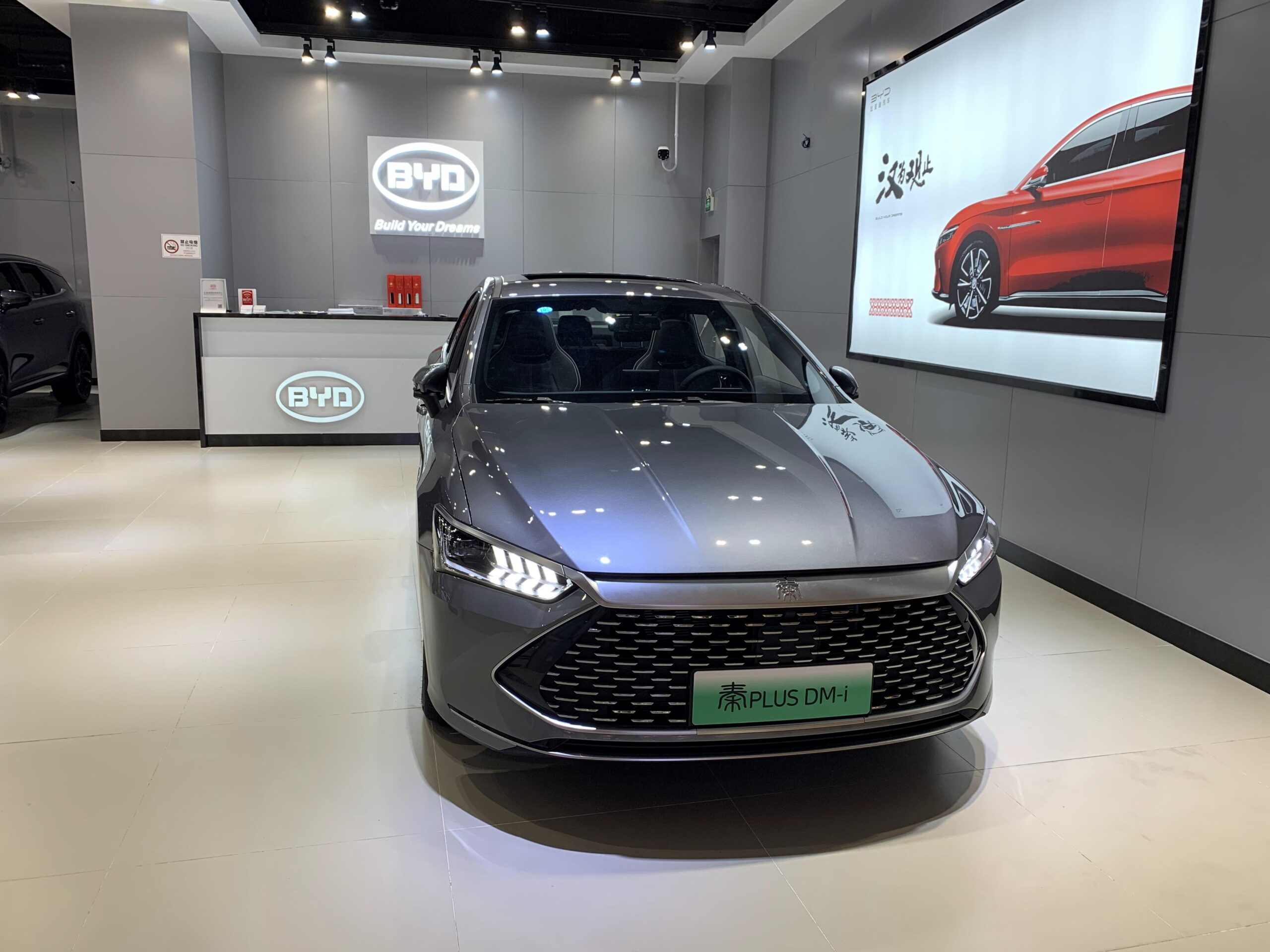
Despite BYD’s long-standing ambition to grow its presence across the Western Hemisphere, the company has opted to delay its plans for a major production hub in Mexico, citing strategic caution. According to Stella Li, Executive Vice President of BYD, “Geopolitical issues have a big impact on the automotive industry. Now everybody is rethinking their strategy in other countries. We want to wait for more clarity before making our decision.”
Why BYD Is Putting Mexico on Hold
Until late last year, BYD had been actively scouting three locations in Mexico for its first major production site in North America. The factory would have supported BYD’s EV ambitions for the U.S., Canadian, and Latin American markets. However, in March 2025, it was reported that Beijing had not approved the plant, amid concerns that sensitive technology might cross into the United States, potentially compromising Chinese intellectual property and know-how.
Meanwhile, the trade environment between the U.S. and many of its partners—including China—has become increasingly hostile. Trump, in his most recent term, has reimposed and expanded tariffs on imported goods, particularly on vehicles and EV components. The policy shift has disrupted supply chain strategies for both American and foreign carmakers. U.S. automakers have warned that these tariffs could increase production costs by billions.
Even German carmaker Audi, which had planned to manufacture its Q8 e-tron SUV in Mexico, is now reportedly considering a move to U.S.-based production due to trade policy shifts. The uncertainty has created a ripple effect throughout the global automotive industry.
A Strategic Pivot to South America
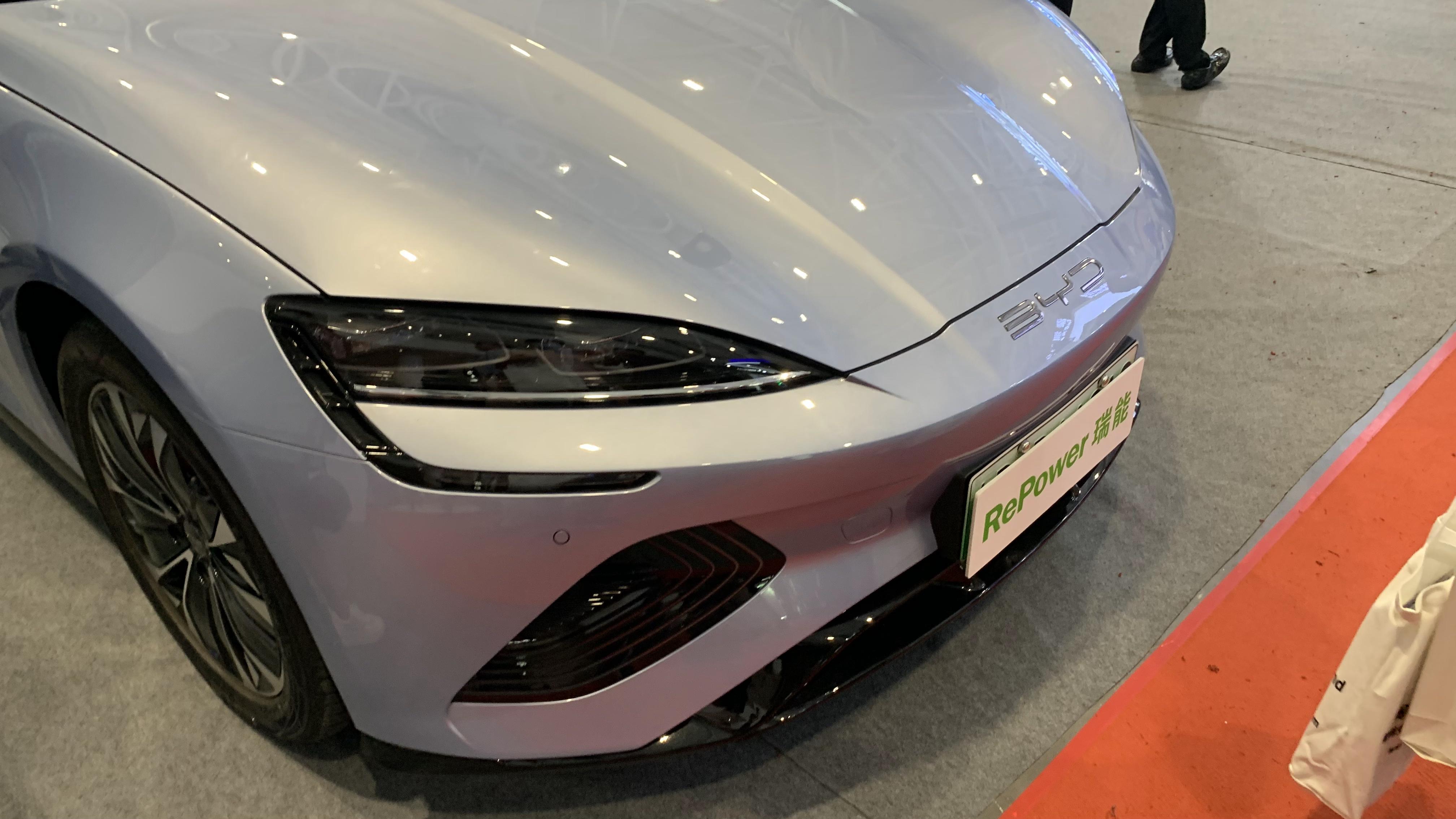
While North American expansion remains a long-term goal, BYD is now redirecting its immediate efforts to Brazil, where it officially launched production at a new passenger vehicle plant in Camacari, in the state of Bahia. The factory began operations on July 1, 2025, and represents BYD’s first passenger vehicle manufacturing site outside Asia.
The plant was first announced in 2023 and represents an investment of 5.5 billion Brazilian reais (approximately $1 billion USD). The facility occupies a former Ford industrial site and consists of three distinct operations:
- A plant for electric and hybrid passenger vehicles
- A facility for electric bus and truck chassis
- A unit for processing lithium and iron phosphate, serving the international battery materials market
EV Production Begins in Brazil
Production at the Camacari facility kicked off with the Dolphin Mini, known internationally as the Seagull. The car is a compact, affordable electric hatchback aimed at urban drivers. The company has announced plans to locally produce additional models, including the Song Pro and Chaser 05, in the near future.
The plant’s initial production capacity is 150,000 vehicles per year, with future plans to double output to 300,000 units. This marks a significant step in BYD’s strategy to build a South American EV hub, serving both domestic and regional markets.
BYD’s Growing Market Presence in Brazil
BYD first entered the Brazilian passenger car market in 2021, and its rapid growth has been remarkable. In just four years, the company has sold over 130,000 vehicles in Brazil, including more than 20,000 units in the first quarter of 2025 alone, making it the top-selling new energy vehicle (NEV) brand in the country.
In May 2025, BYD climbed to fourth place in Brazil’s overall automotive retail market, securing a 9.7% market share. This impressive performance has provided a solid foundation for further investments in local production, distribution, and supply chain development.
Tapping Into South America’s Lithium Resources
In addition to expanding its manufacturing footprint, BYD is also securing raw material supply lines. The company reportedly obtained lithium mining rights in Brazil in 2023, and its new Bahia facility includes a lithium and iron phosphate processing plant to support both domestic use and international battery exports.
Furthermore, BYD is planning to build a battery materials plant in Chile, another global hotspot for lithium reserves. This upstream expansion reflects BYD’s long-term strategy to control its entire battery value chain, from raw materials to finished products.
A Broader Production Network in Brazil
The Bahia complex is not BYD’s only footprint in Brazil. The company already:
- Produces electric bus chassis in Campinas, São Paulo
- Operates a lithium iron phosphate battery module factory in Manaus, Amazonas
- Maintains partnerships with regional governments for public transportation electrification projects
With these assets, BYD has quietly built one of the most complete and vertically integrated EV production ecosystems in Latin America.
Global Strategy: Adaptation Over Expansion
Although BYD remains committed to global expansion, the Mexico plant delay reveals a shift toward adaptive strategy—balancing opportunity with geopolitical and economic risk. “We want to wait for more clarity before making our decision,” Stella Li reiterated.
BYD’s approach contrasts with some global automakers pushing forward with risky expansions amid uncertain trade conditions. The company is instead focusing on consolidating its gains in regions with favorable policy environments, abundant resources, and strong demand.
Conclusion: South America Gains as North America Waits
BYD’s decision to pause its Mexico expansion while rapidly scaling production in Brazil underscores a fundamental truth about today’s automotive industry: geopolitics matter more than ever. As trade tensions rise and tariff threats loom, EV makers must make difficult choices about where, when, and how to grow.
For now, South America appears to be the biggest winner, benefiting from BYD’s investment, job creation, and technology transfer. Meanwhile, North America remains a market of strategic interest—but only when the policy landscape becomes clearer.
BYD’s story is not just about EVs—it’s about how global manufacturing is being reshaped by tariffs, regulations, and national interests, and how agile companies are adjusting their playbooks to stay ahead in the race for the future of mobility.