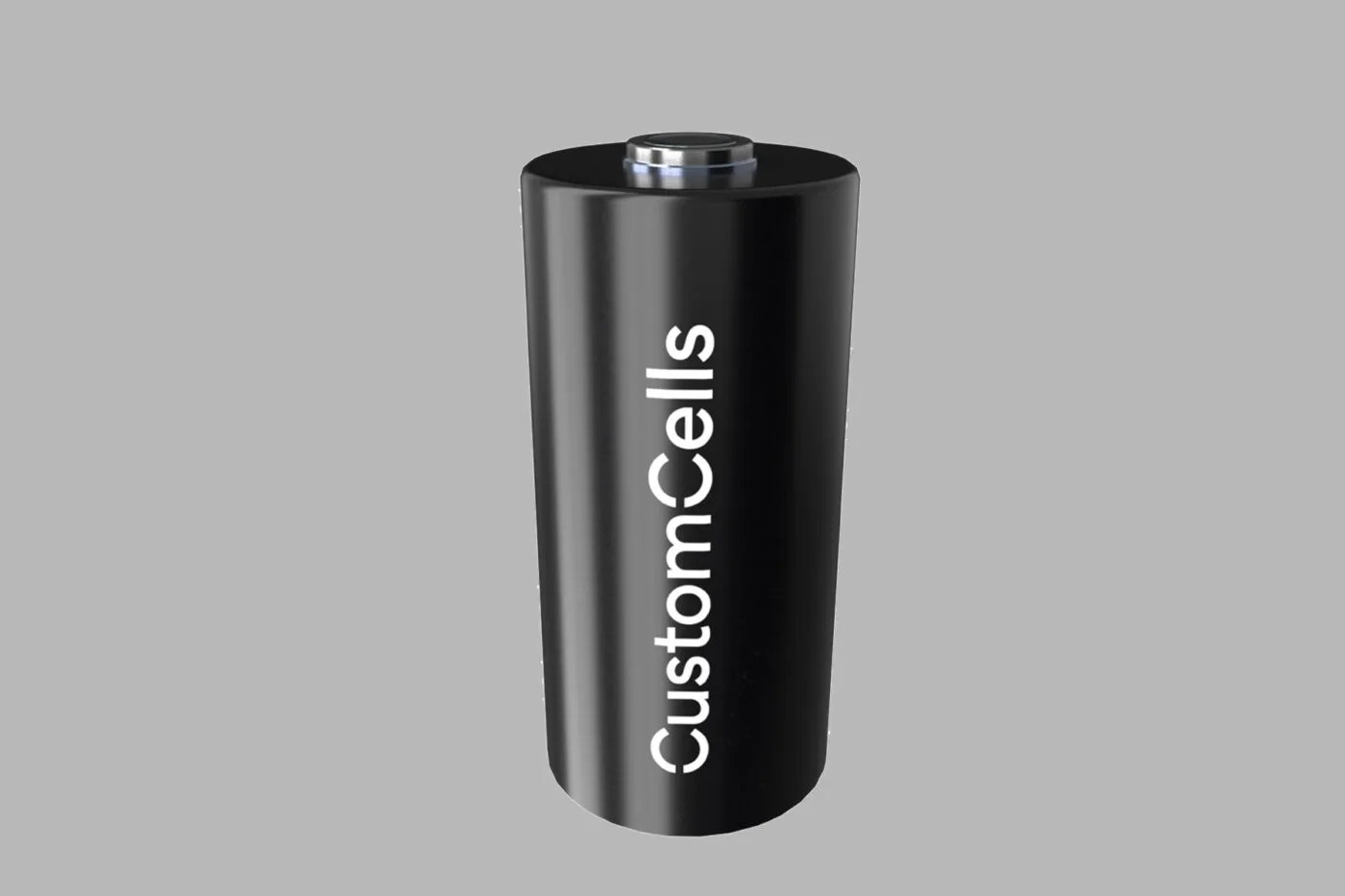
CustomCells, the German battery cell developer known for high-performance applications, has secured a partial rescue from insolvency through a strategic investor consortium. This marks a new chapter for the company, which filed for insolvency in April 2025 after suffering financial distress linked to its client, air taxi manufacturer Lilium.
The restructuring was confirmed by German business newspaper Handelsblatt, which reported that a takeover agreement was signed on Wednesday evening. Although CustomCells has not officially released a statement, sources close to the negotiations say that the company will maintain its operational core and resume production on a smaller scale, thanks to a new capital injection.
A Consortium-Led Lifeline
The rescue effort is spearheaded by Abacon, an existing investor in CustomCells, and is supported by two additional capital providers. One of the new investors is Salvia, the family office of Helmut Jeggle, a key financial strategist who previously managed the fortune of biotech moguls Thomas and Andreas Strüngmann.
“This is a highly innovative German battery pioneer with enormous potential,” said Sven Rossmann, Chief Investment Officer of Abacon, on behalf of the new ownership group. While precise acquisition figures remain confidential, Handelsblatt reports that the deal was struck in the low single-digit million-euro range, with a follow-up investment in the double-digit millions committed to revitalize operations and ramp up production.
Focus on Itzehoe and E-Mobility
The future of CustomCells now rests on its Itzehoe facility in northern Germany, which houses both the company’s holding and its main production operations. According to insiders, operations will continue but with a significantly reduced workforce—around half of the current 160 employees will be retained.
The strategic focus going forward will be sharply concentrated on electric mobility. CustomCells plans to target niche, high-performance EV battery applications, such as:
- Premium electric vehicles
- Motorsport and electric aviation
- Agricultural and off-road heavy-duty applications
- Maritime energy storage
- Defense technology
By narrowing its scope and exiting more speculative projects like eVTOL air taxis, the company aims to secure a more stable and scalable growth model.
Management Overhaul and Governance
Leadership changes are also part of the restructuring. Jan Diekmann, previously Chief Innovation Officer, will now join the executive board. He is expected to spearhead product strategy and technical excellence. Benno Leuthner, another senior executive, remains in place to provide continuity.
Former CEO Dirk Abendroth, who joined CustomCells from automotive supplier Continental, is stepping away from operational leadership but will remain involved in an advisory capacity. His exit reflects a broader realignment of the company’s leadership to better match its leaner and more focused future.
How Lilium’s Struggles Sparked a Collapse
The collapse of air taxi startup Lilium, a key client of CustomCells, played a central role in triggering its financial crisis. CustomCells had been deeply involved in supplying customized battery cells for eVTOL aircraft, an ambitious sector still searching for commercial viability.
When Lilium faced its own setbacks—including technical delays and funding shortfalls—CustomCells was exposed to supply chain instability and deferred payments, ultimately forcing it to file for insolvency.
In hindsight, the case underscores the risks of overexposure to experimental markets with high capital demands and regulatory hurdles. The new CustomCells is expected to adopt a more cautious, diversified client portfolio moving forward.
A Pioneering Past and a Pragmatic Future
Founded in 2012 as a spin-off from Germany’s Fraunhofer-Gesellschaft, CustomCells quickly developed a reputation as one of the country’s most forward-thinking battery manufacturers. Unlike large Asian manufacturers focused on scale, CustomCells targeted premium and specialized segments requiring batteries with very high energy density, exceptional thermal management, or long cycle life under extreme conditions.
These segments include:
- Motorsport: where weight, discharge rate, and safety are paramount
- Agricultural and mining equipment: demanding rugged performance in harsh environments
- Military and aerospace: requiring mission-critical reliability and custom configurations
Such specialization continues to be the company’s competitive advantage. While the company may no longer pursue high-volume projects like air taxis or mass-market EVs, its ability to design bespoke battery chemistries gives it strategic insulation from commodity competition.
Germany’s Battery Ecosystem at a Crossroads
CustomCells’ insolvency—and now its restructuring—has raised questions about the resilience of Germany’s battery manufacturing ecosystem. Despite billions of euros in government support and ambitious energy transition goals, domestic battery makers remain highly vulnerable to both macroeconomic shocks and technological disruption.
The German government has supported battery innovation through public-private partnerships and funding schemes such as IPCEI (Important Projects of Common European Interest). However, the pace of commercialization has lagged behind, particularly in comparison to battery giants in China, South Korea, and the United States.
The successful repositioning of CustomCells could therefore serve as a template for niche excellence, allowing Germany to lead in specialized areas while leaving mass production to more cost-effective global players.
Investor Confidence in Innovation
The return of investor confidence through this new consortium speaks volumes. Abacon and Salvia are known for patient capital and long-term strategic views. By acquiring CustomCells during a restructuring phase, they have positioned themselves to capitalize on the next wave of EV adoption, particularly in segments underserved by conventional suppliers.
As global regulations tighten and EV performance standards increase, demand for specialized, high-performance battery cells is likely to surge. CustomCells, with its decade-long expertise, is well-placed to fill that gap—if it can maintain focus, execute leanly, and foster stable partnerships.
Conclusion: A Leaner, Smarter CustomCells Emerges
After months of uncertainty, CustomCells is set to return to the battery technology spotlight, albeit with a narrower focus and tighter operations. Backed by a high-profile investor group, the company is pivoting from financial distress to renewed strategic clarity.
By shedding speculative ventures and doubling down on its core strengths—engineering excellence and application-specific customization—CustomCells may yet emerge stronger from its crisis.
Its journey serves as a cautionary tale and a beacon of resilience: in the volatile world of energy innovation, it’s not always the biggest who survive, but the most adaptable.