As the Arizona summer heat intensifies, so does the demand for reliable electricity. In a timely move, Recurrent Energy, a subsidiary of Canadian Solar, has brought one of the state’s largest battery energy storage systems online. The Papago Storage project, located in Maricopa County, is now in full commercial operation, delivering 1,200 megawatt-hours (MWh) of stored electricity to the grid — just in time to meet soaring air-conditioning loads.
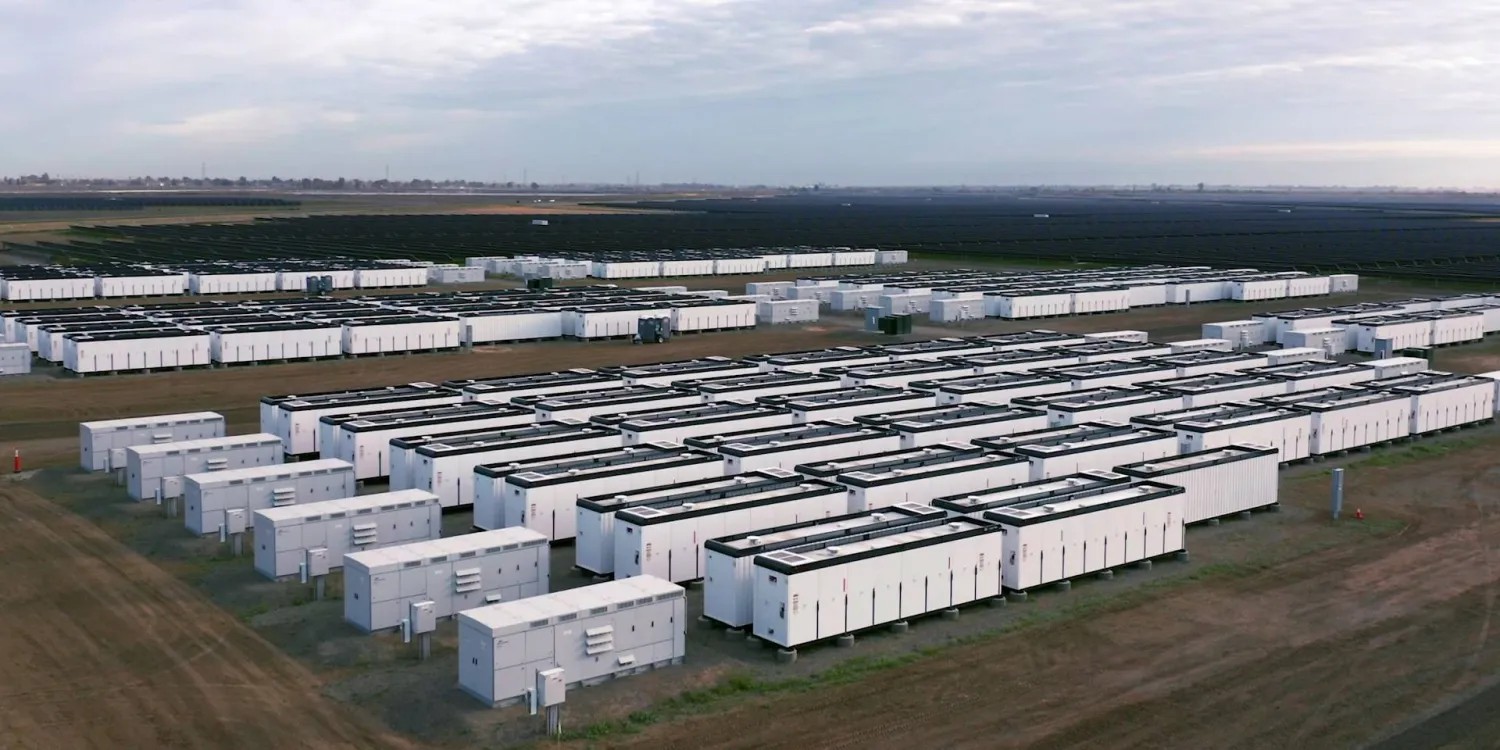
The electricity from the Papago facility is being delivered to Arizona Public Service (APS), the state’s largest utility provider. With Arizona experiencing record-breaking temperatures in recent summers, the launch of this large-scale storage solution offers a much-needed buffer to stabilize the grid and prevent outages during periods of peak electricity demand.
“Summer is here, and we’re ready to serve APS customers with the energy they need when they need it,” said Derek Seaman, APS’s Director of Resource Acquisition.
A Milestone in Arizona’s Clean Energy Expansion
The Papago project is the first in a three-part collaboration between Recurrent Energy and APS. Altogether, the initiative will provide 1,800 MWh of energy storage and 150 megawatts (MW) of solar generation capacity, enough to power 72,000 homes for four hours, and supply year-round solar energy to another 24,000 households.
This integrated energy solution underscores a broader strategy to balance renewable energy generation with reliable, on-demand power delivery. The combination of solar and storage enables greater flexibility, reduces reliance on fossil fuels, and supports the state’s clean energy targets.
Arizona Corporation Commission Chair Kevin Thompson praised the achievement, stating that launching one of the state’s largest battery storage facilities during such a critical time is “a milestone.”
Canadian Solar’s Role Through e-STORAGE
The Papago facility was developed and constructed by Canadian Solar’s e-STORAGE division, a unit dedicated to utility-scale energy storage solutions. Under a long-term operations and maintenance agreement, e-STORAGE will continue to manage and optimize the system’s performance for years to come.
“We’re proud to deliver flexible capacity that meets the state’s growing energy needs,” said Ismael Guerrero, CEO of Recurrent Energy. “We’re also grateful for APS’s continued partnership in making this project a reality.”
This partnership reflects the shifting energy landscape, where collaboration between technology providers and utility companies is essential for deploying grid-scale solutions that are both sustainable and reliable.
Meeting Demand with Flexible Power
Battery energy storage has emerged as a key enabler in the clean energy transition, particularly in regions like Arizona where solar power is abundant but peak energy use often occurs in the evening — when solar generation drops. The Papago system addresses this mismatch by storing excess solar energy during the day and releasing it when it’s most needed.
With grid battery systems like Papago, utilities can:
- Avoid expensive and polluting peaker plants
- Maintain grid frequency and voltage
- Ensure seamless integration of renewable sources
Such benefits not only improve the resilience of the local grid but also lower long-term electricity costs for consumers.
Outlook: A Template for Future Projects
The success of the Papago project sets a strong precedent for future large-scale battery storage deployments in the United States. As the power sector shifts toward decarbonization, energy storage will play an increasingly central role.
Recurrent’s roadmap with APS represents just one of many emerging partnerships nationwide aiming to integrate clean, dispatchable power into aging utility infrastructures. The remaining two projects in the Recurrent-APS collaboration are expected to come online in the near future, further boosting Arizona’s clean energy capacity.
Conclusion:
The launch of the Papago Battery Storage facility marks a significant moment in Arizona’s journey toward a more resilient, sustainable, and responsive power grid. Through innovative collaboration between Recurrent Energy and APS, the state is better equipped to handle seasonal surges in electricity demand — all while advancing clean energy goals.
As battery technology continues to evolve and costs decline, more states are likely to follow Arizona’s lead, positioning storage as a critical component in America’s energy transformation.