Tesla is preparing to bring its newest battery initiative online: a lithium-iron-phosphate (LFP) battery cell factory located in Nevada, which the company says is now “nearing completion.” This facility marks a significant shift in Tesla’s manufacturing strategy as it attempts to reduce its reliance on Chinese battery suppliers and strengthen its domestic production capabilities amid escalating geopolitical and trade tensions.
The Nevada plant is Tesla’s first U.S.-based LFP battery factory, designed to produce battery cells that will power its Megapack energy storage systems and possibly support lower-cost electric vehicle (EV) models. Once operational, the factory is expected to deliver up to 10 GWh of LFP battery cells annually.
Tesla’s Strategic Pivot Toward Localized Battery Production
Tesla, like many other global automakers, has relied heavily on Chinese battery manufacturers—especially for LFP battery cells, which are favored for their cost-effectiveness, safety, and long cycle life. LFP chemistry has become Tesla’s go-to solution for its entry-level vehicles and its entire energy storage product line, including Megapacks and Powerwalls.
However, this dependency on China is becoming increasingly complex. The ongoing trade war between the United States and China, as well as broader global supply chain pressures, have prompted Tesla to diversify its manufacturing footprint. As of last year, the U.S. had already implemented a 25% tariff on battery cells imported from China. Under the Trump administration, those tariffs were temporarily raised to over 80%, before being paused and revised amid continuing negotiations.
With tariff rates in flux and political uncertainty looming, Tesla’s move to domestically manufacture LFP cells is both a defensive and strategic initiative.
Recycling and Repurposing: Equipment from CATL
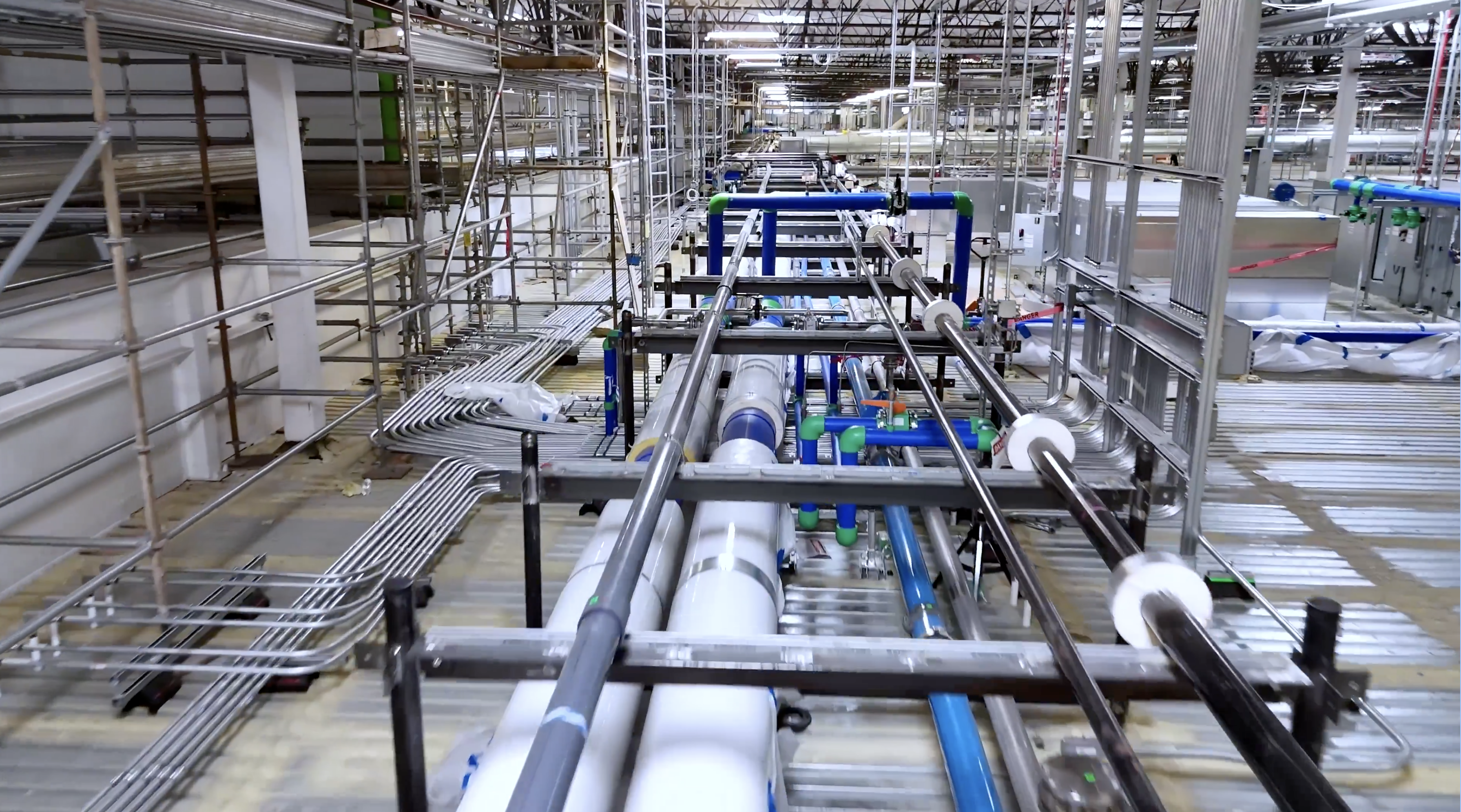
Interestingly, Tesla’s Nevada factory isn’t built entirely from scratch. The company secured older battery cell manufacturing equipment from CATL, one of its key Chinese suppliers. Tesla intends to deploy this equipment for small-scale U.S. production. This strategy not only reduces startup costs but also speeds up time-to-market for domestic cell output.
Tesla’s goal is not just to insulate itself from tariffs—it’s also about creating a vertically integrated supply chain that ensures resilience, cost control, and regulatory flexibility, especially as the Inflation Reduction Act and other federal initiatives favor U.S.-sourced components.
10 GWh Capacity to Support Energy Storage Business
The Nevada LFP plant will initially focus on supporting Tesla’s rapidly growing energy storage division, particularly the Megapack. These grid-scale battery systems are designed for utilities and large-scale renewable energy deployments. Tesla currently operates a Megapack production facility in California with an output capacity of 40 GWh per year and is building another plant in Texas.
Given the strong demand for sustainable energy infrastructure, especially in states with aggressive renewable targets like California and Texas, increasing battery availability through local production is crucial. LFP chemistry, with its long life and lower fire risk, makes it an ideal fit for this purpose.
By producing LFP cells domestically, Tesla aims to streamline logistics, shorten lead times, and maximize incentives tied to U.S.-based manufacturing.
The EV Angle: LFP Cells for Entry-Level Models
While the initial use case for the Nevada plant will likely be energy storage, the potential expansion of LFP cells into Tesla’s EV lineup cannot be overlooked. Currently, Model 3 and Model Y Standard Range variants already use LFP cells—sourced mainly from China.
Localized production in Nevada could eventually supply battery cells for domestic EV assembly, further enhancing Tesla’s eligibility for federal EV tax credits, which are increasingly tied to the sourcing of battery components from the U.S. or trade-friendly nations.
As Tesla continues to push for a more affordable mass-market EV, domestically produced LFP cells could play a pivotal role in maintaining margins without compromising performance.

Ford and the Competitive Landscape
Tesla is not alone in its LFP ambitions. Ford Motor Company is also investing in LFP battery production, with a planned facility in Michigan expected to deliver 35 GWh of capacity per year—more than triple Tesla’s initial 10 GWh output in Nevada.
The move underscores a broader industry trend: American automakers are racing to localize battery production to qualify for regulatory incentives, reduce exposure to geopolitical risks, and meet surging domestic and international demand for EVs and grid storage solutions.
Policy Implications and Trade War Uncertainty
The timing of Tesla’s announcement is especially relevant as U.S.-China trade relations remain volatile. While some tariffs were temporarily paused under the Trump administration, others remain firmly in place. The future of these policies will heavily depend on upcoming elections, diplomatic negotiations, and broader international supply chain restructuring.
Many analysts expect tariffs on Chinese battery components to either remain elevated or increase further, which would add significant costs to products like Megapacks and EVs—unless companies like Tesla secure domestic sources.
This uncertainty is exactly what the Nevada LFP factory is designed to address. By reshoring production, Tesla not only gains more control over its cost structure but also shields itself from external shocks tied to policy swings.
Conclusion: Building Resilience Through Domestic Manufacturing
Tesla’s new LFP battery factory in Nevada marks a major step toward supply chain independence, tariff mitigation, and energy product scalability in the U.S. It reflects a growing consensus among automakers: to compete in the EV and energy storage markets of the future, battery localization is essential.
With an initial output of 10 GWh per year, the Nevada facility won’t fully replace Chinese imports—but it establishes a foundation that Tesla can scale over time. And in doing so, Tesla sends a clear message: the future of clean energy must also be a future of secure and resilient supply chains.
As competition intensifies and policies evolve, Tesla’s proactive approach to battery manufacturing could offer a blueprint for how global tech companies adapt to an era defined by decarbonization, deglobalization, and technological sovereignty.