Energy density is a crucial measure of battery performance, and Chinese scientists have recently made a significant breakthrough in this area. They have developed a lithium-ion battery that surpasses the impressive energy density of 700 Wh/kg.
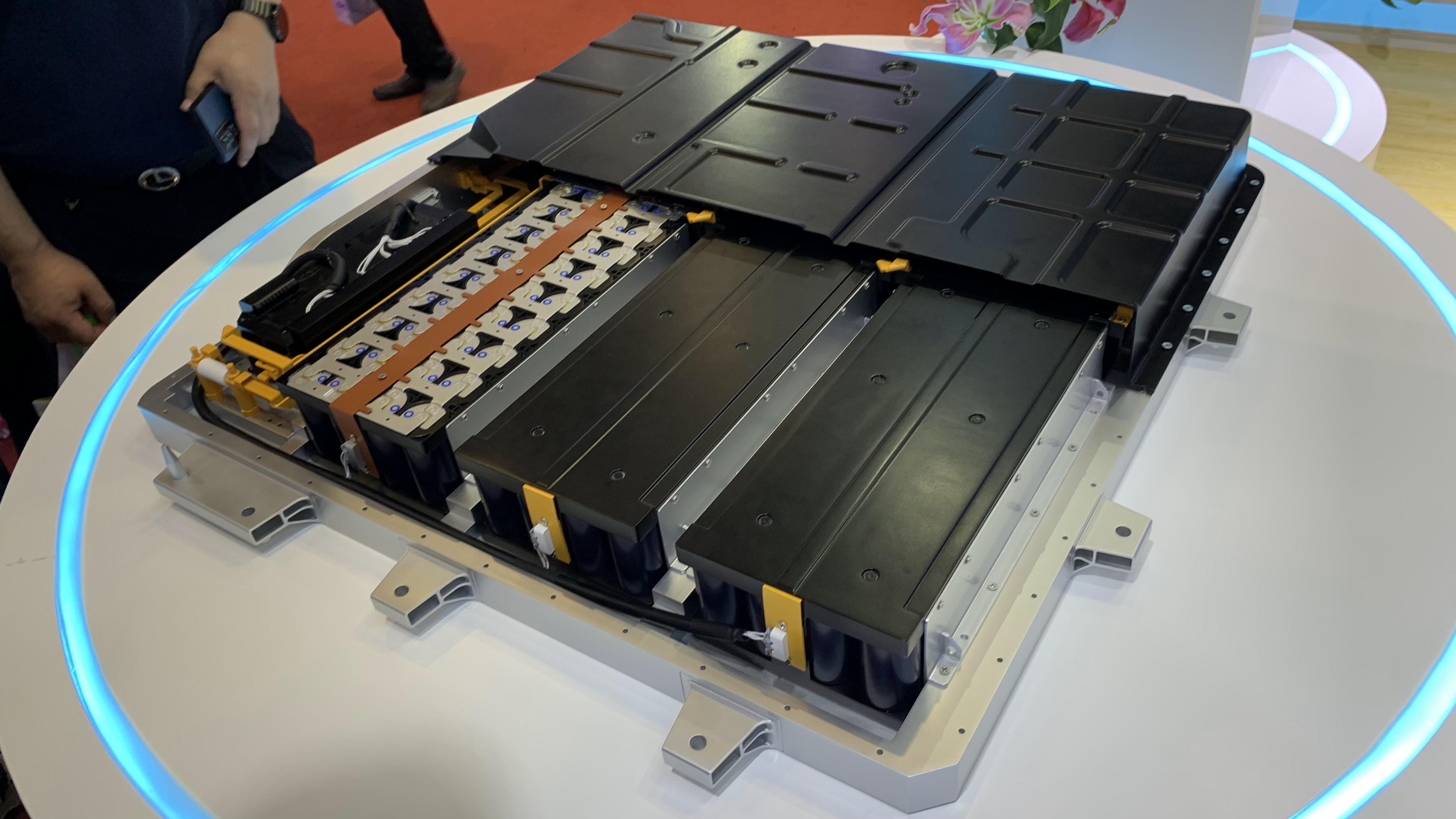
Currently, Tesla’s 4680 lithium batteries have an energy density ranging from 244 to 296 Wh/kg. While this level of energy density is suitable for most electric vehicles, it falls short for high-performance electric motorcycles, electric aircraft, and vertical takeoff and landing aircraft, which require lighter batteries capable of delivering more power.
Currently, the highest energy density for batteries is found in a no-anode soft pack battery developed and tested by a team from Dalhousie University in Canada. This battery offers an energy density of 575 Wh/kg. Additionally, CATL from China has introduced a new battery called the Condensed Battery, with an energy density of 500 Wh/kg.
Now, a team from the Institute of Physics at the Chinese Academy of Sciences has achieved a new benchmark by developing a rechargeable soft pack battery with a capacity of 10 Ah. This battery utilizes ultra-thin lithium metal nodes and lithium-rich manganese oxide cathodes. The team has widened the battery’s charge-discharge voltage range and studied the structural stability of the cathode. They have also investigated how lithium ions deposit on the electrodes and dissolve during the charge-discharge process by modifying the lithium anode surface.
After undergoing third-party testing by the China North Vehicle Research Institute (Institute 201) and the North Automobile Quality Supervision and Inspection Identification Test Institute, this new battery has achieved an impressive first discharge energy density of 711.3 Wh/kg. It also has a volumetric energy density of 1653.65 Wh/L. Although still in the experimental stage, commercialization of this battery will take time due to the application of advanced technologies such as high-loading electrodes and lean electrolyte, which will result in a higher price.
It is important to note that the research team focused on maximizing the energy density of the battery, purposely sacrificing other performance factors such as power emission or absorption ability, lifespan, performance under varying temperatures, and the risk of fire. The researchers have indicated that there is still room for improvement in the density index, and they aim to surpass their own record in the future.
Overall, this development represents a significant step forward in battery technology and brings us closer to achieving lighter, more powerful batteries that can meet the demands of high-performance electric vehicles and other applications. However, further research and development are still needed to address other important aspects of battery performance before commercialization can occur.