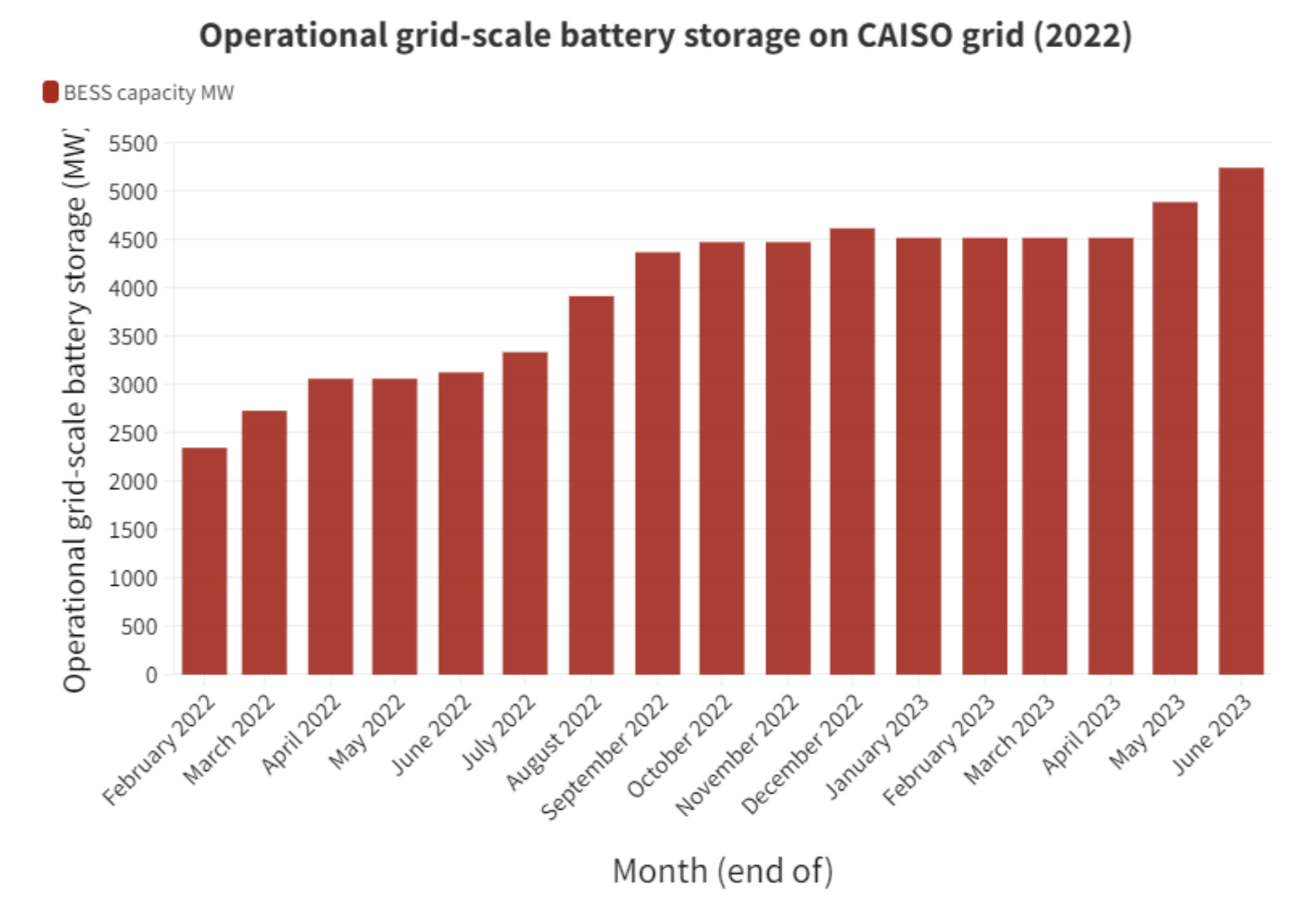
California has emerged as a frontrunner in the deployment of grid-scale battery storage energy storage (BESS) projects, with a remarkable milestone of 5 GW of capacity. The state’s ambitious renewable energy target of 90% by 2030, coupled with the Resource Adequacy framework that provides long-term compensation for large-scale BESS projects, has created a conducive environment for investments in energy storage.
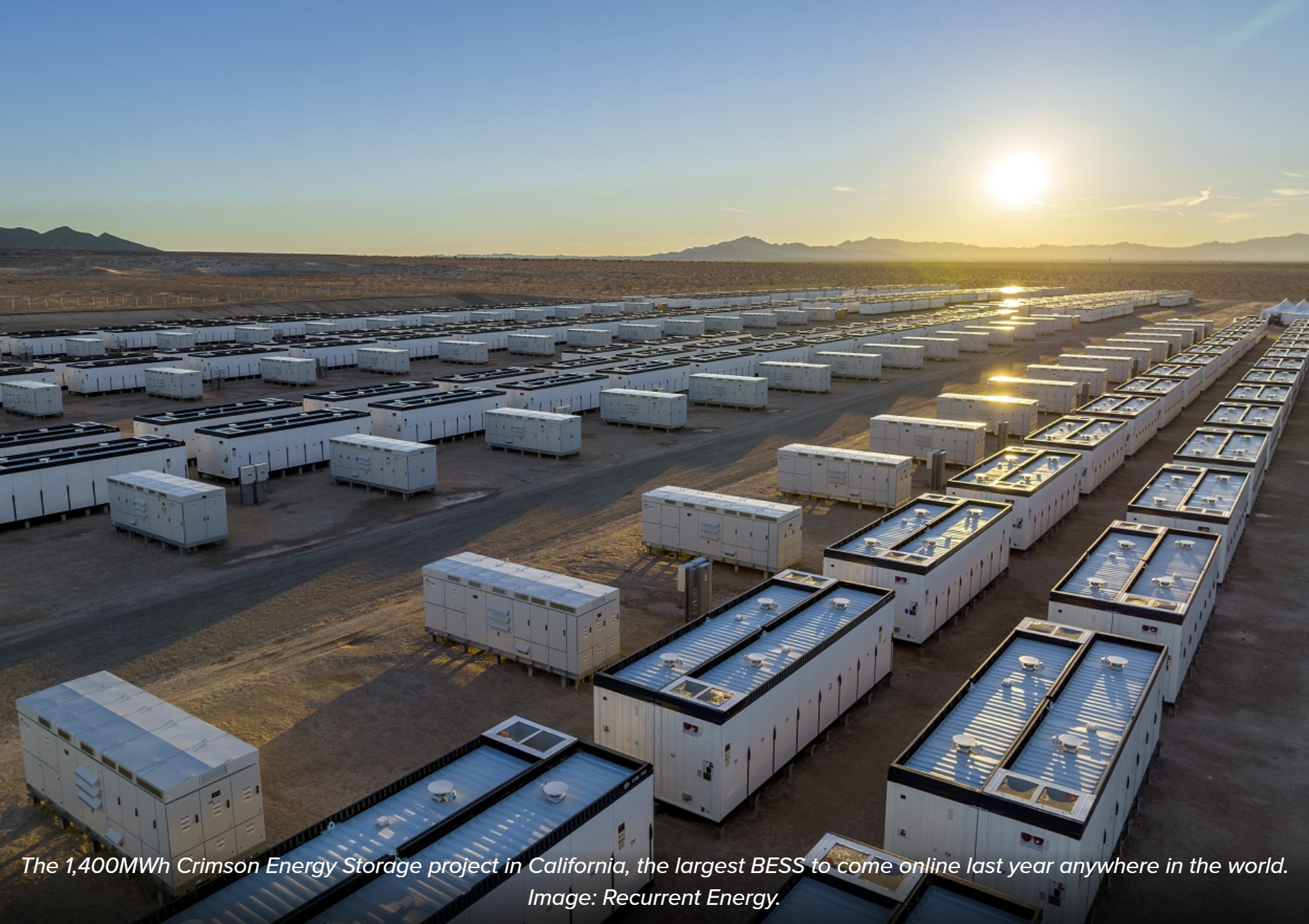
As of the beginning of this month, California has successfully connected 5.6 GW of grid-scale BESS to its power grid, according to CEO Elliot Mainzer. This achievement is significant, considering the increasing frequency of climate extremes such as heatwaves and droughts that the state has been experiencing. Mainzer emphasized the importance of investing in innovative technologies like energy storage to ensure the reliable power supply needed to sustain California’s position as the world’s fourth-largest economy.
However, the journey to this milestone was not without its challenges. The first quarter of the year saw a relatively slow start for California, with almost no large-scale BESS projects coming online. In fact, the capacity even decreased from December 2022 to January 2023, as indicated in the graph below. During this period, the ERCOT market in Texas took the lead in nationwide BESS deployments, accounting for 70% of the total. Nevertheless, California’s focus on long-term remuneration through Resource Adequacy agreements with utilities like SDG&E, PG&E, SCE, as well as smaller electric co-operatives such as community choice aggregators (CCAs), has been instrumental in attracting investments and ensuring revenue streams for BESS projects. Additionally, trading energy has played a role in bolstering project revenues.
It is worth noting that the ancillary services market for BESS projects in California is relatively small compared to the overall capacity of grid-scale BESS. As a result, ancillary services contribute only minimally to project revenues. In solar PV-heavy markets like the southern United States and parts of Europe, the primary focus is on energy load shifting opportunities. On the other hand, wind-heavy markets such as the Nordics, the United Kingdom, and Germany prioritize the provision of ancillary services. These market dynamics influence the revenue streams and business models of BESS projects in different regions.
California’s achievement of 5 GW of grid-scale battery storage capacity underscores its commitment to renewable energy and sustainability. The state’s ambitious goals and supportive frameworks have attracted investments and propelled it to the forefront of the energy storage industry. By effectively integrating energy storage technologies into its power grid, California is not only ensuring a reliable and resilient electricity supply but also driving the transition towards a cleaner and more sustainable energy future.