Canada-based Volt Carbon Technologies has released its mid-year test results for its proprietary lithium-ion battery. Volt Carbon’s subsidiary, Solid Ultrabattery, manufactured the batteries at their facility in Guelph, Ontario. These latest results represent the achievements of Solid Ultrabattery’s facility in the first half of 2023.
The lithium-ion battery pouch cells were manufactured using Volt Carbon’s proprietary technology, which incorporates composite electrolytes to enhance battery cycle life and stability. These cells were assembled with the company’s custom electrolytes and membranes, along with the high-energy cathode NMC811 and lithium metal, resulting in the production of advanced battery cells.
The test results showed that the lithium-metal pouch cells demonstrated significantly improved performance, with 370 cycles at nearly 100% capacity. This performance surpasses the previous findings from coin cell data, which showed 400 cycles at 81.8% capacity and were reported earlier this year.
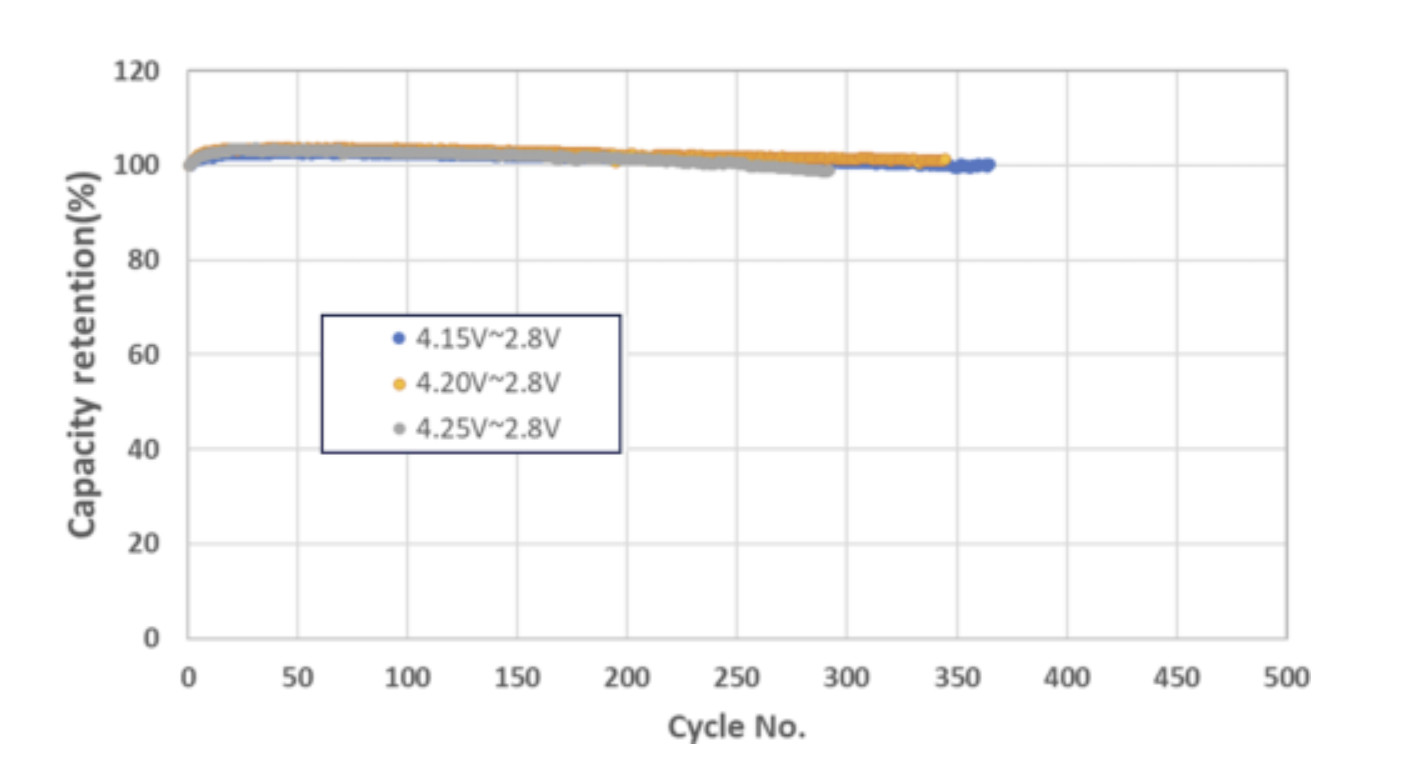
These impressive results reinforce Volt Carbon’s ambition to surpass 800 cycles and achieve 80% capacity by 2024 through the utilization of their lithium-metal battery technology.
In addition to the test results, the company also unveiled a technology roadmap outlining its strategic plan for lithium-ion battery product development up to 2030. The roadmap provides a comprehensive overview of Volt Carbon’s plans for the future, highlighting key milestones and targets for their battery technology.
Volt Carbon’s vision is to continue advancing their lithium-ion battery technology to meet the growing demands of various industries. They aim to enhance the energy storage capabilities of their batteries, improve cycle life, and maintain high levels of battery stability. This will enable the development of more efficient and reliable energy storage systems for use in electric vehicles, renewable energy applications, and grid-level storage.
The company’s technology roadmap outlines specific initiatives and research directions that will guide their product development efforts. These include advancements in battery materials, cell design, manufacturing processes, and performance testing. Volt Carbon aims to enhance their battery performance in terms of energy density, cycle life, charging time, and safety.
One of the key focus areas mentioned in the roadmap is the further improvement of their lithium-metal battery technology. By optimizing the use of lithium metal as an electrode, Volt Carbon aims to achieve even higher energy densities and longer cycle lives for their batteries. This will contribute to the development of batteries with increased energy storage capacities and improved overall performance.
The roadmap also highlights the company’s commitment to sustainability and environmental responsibility. Volt Carbon aims to develop battery technologies that are more environmentally friendly and have reduced carbon footprints. They plan to explore the use of alternative materials, such as solid-state electrolytes, to replace flammable organic electrolytes and enhance battery safety.
Furthermore, the roadmap emphasizes the importance of collaboration and partnership with other industry stakeholders. Volt Carbon acknowledges the need for collective efforts to overcome technological challenges and accelerate the adoption of advanced lithium-ion batteries. By collaborating with research institutions, governments, and other companies, Volt Carbon aims to foster innovation and drive the widespread adoption of their battery technology.
In conclusion, Volt Carbon Technologies’ mid-year test results for their proprietary lithium-ion battery demonstrate significant advancements in performance and cycle life. The company’s lithium-metal battery technology has shown great promise, surpassing previous findings and setting ambitious targets for the future. With their technology roadmap, Volt Carbon aims to continue pushing the boundaries of battery performance, driving the transition to cleaner and more efficient energy storage solutions.