The European Commission has approved a significant €700 million (approximately $763 million) aid scheme to propel the deployment of large-scale energy storage across Spain, marking a crucial step towards a more resilient and sustainable energy future. The program, spearheaded by Spain’s Ministry for Ecological Transition and the Demographic Challenge (MITECO), will provide substantial co-financing, up to 85%, for a wide range of energy storage projects.
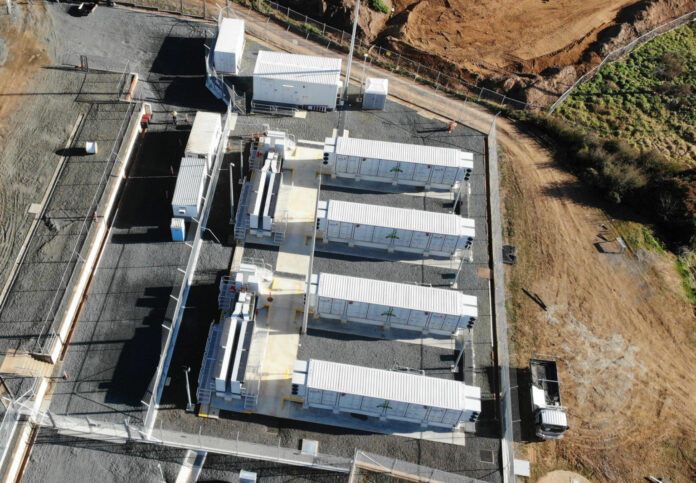
This initiative arrives as a vital complement to Spain’s existing commitment to energy storage, already supported by over €600 million in NextGenerationEU funding allocated under the country’s post-COVID Recovery, Transformation, and Resilience Plan. The new scheme underscores Spain’s ambition to become a leader in renewable energy integration and grid stability.
Subsidies for Diverse Storage Solutions
The approved program offers a flexible approach, supporting a variety of energy storage deployments. Eligible projects include standalone energy storage facilities, integrated storage solutions alongside renewable energy installations (such as solar and wind farms), and storage systems planned as part of existing thermal power plant upgrades. This broad scope aims to encourage innovation and maximize the impact of the investment across the Spanish energy landscape.
The funding will be administered by Spain’s Institute for Energy Diversification and Savings (IDAE), leveraging resources from the European Union’s European Regional Development Fund Multiregional Program, drawing from its 2021-27 budget. This demonstrates the EU’s commitment to supporting member states in achieving their climate and energy goals.
Ambitious Targets and Public Consultation
MITECO anticipates that the program will finance between 80 and 120 energy storage projects before 2030, collectively boasting a total project capacity ranging from 2.5 GW to 3.5 GW. This ambitious target reflects the urgency of modernizing Spain’s energy infrastructure and ensuring a reliable supply of electricity in the face of increasing renewable energy penetration.
To ensure transparency and gather valuable feedback, a public consultation exercise regarding the proposed funding program commenced on Monday and will remain open until Friday. This opportunity allows stakeholders, including industry representatives, environmental groups, and the general public, to contribute their insights and shape the program’s final design.
“This approval from the European Commission is a significant milestone for Spain’s energy transition,” stated a spokesperson for MITECO. “The funding will enable us to unlock the full potential of energy storage, enhancing grid stability, reducing reliance on fossil fuels, and creating new economic opportunities in the renewable energy sector.”
The spokesperson further emphasized the importance of public participation in the consultation process, encouraging all interested parties to submit their comments and suggestions.
Boosting Grid Stability and Renewable Integration
The deployment of large-scale energy storage is increasingly recognized as a critical component of a modern and resilient energy system. Energy storage technologies, such as batteries, pumped hydro, and compressed air energy storage, play a vital role in balancing the intermittent nature of renewable energy sources, mitigating grid congestion, and providing ancillary services to maintain grid frequency and voltage stability.
Spain’s commitment to energy storage aligns with the broader European Union’s efforts to decarbonize its energy sector and achieve its ambitious climate targets. The new aid scheme will contribute significantly to Spain’s progress towards these goals, fostering innovation, attracting investment, and creating a more sustainable energy future for the country.
The program’s flexibility in supporting diverse storage solutions is expected to stimulate a wide range of technological advancements and business models, further accelerating the adoption of energy storage across Spain. The combination of public funding and private investment will create a virtuous cycle, driving down costs and improving the competitiveness of energy storage technologies.