London-listed commodities giant Glencore has made a formal offer to acquire Canadian lithium battery recycling company Li-Cycle, signaling a significant development in the burgeoning battery recycling sector and a potential lifeline for the Toronto-based company facing operational and financial headwinds. The proposal aims to bolster Glencore’s position in the critical minerals supply chain and address Li-Cycle’s ongoing challenges.

In a letter dated March 14th, Glencore expressed its desire to initiate discussions with Li-Cycle’s board and stakeholders regarding a potential transaction. The move comes as Li-Cycle navigates a period of cost overruns, technical difficulties, and a need for financial stabilization.
A key element of Glencore’s offer involves converting existing debt held by the commodities giant into approximately 84 million shares of Li-Cycle. This structure suggests a long-term commitment from Glencore and a belief in the potential of Li-Cycle’s technology and operations.
To facilitate the potential acquisition, Li-Cycle amended its limited duration shareholder rights plan last year, specifically exempting Glencore Canada. This exemption allows Glencore to acquire more than 20% of the company without triggering the shareholder rights plan’s restrictions.
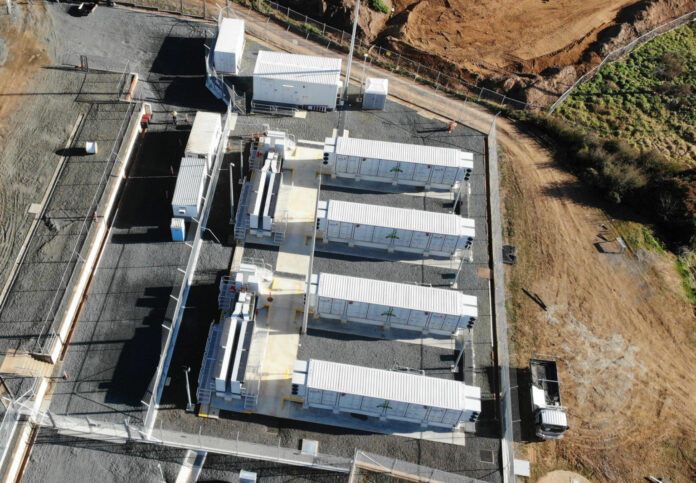
Li-Cycle, currently boasting a market capitalization of $10.45 million according to data compiled by LSEG, has established a network of facilities strategically located in Arizona, Alabama, and Ontario. These facilities are instrumental in producing “black mass,” a crucial intermediate product derived from shredded battery components. Notably, a planned facility in Rochester, New York, represents a groundbreaking advancement in battery recycling technology, as it will be the first of its kind in North America to break down black mass into its constituent lithium and other valuable metals.
The acquisition proposal arrives after a challenging period for Li-Cycle. In November of last year, the U.S. Department of Energy finalized a $475 million loan to the company, providing a critical financial boost to address ongoing cost overruns and technical hurdles. This loan was widely seen as essential to Li-Cycle’s continued operation.
“We have received a letter from Glencore regarding a potential transaction and are currently evaluating it,” stated Li-Cycle spokesperson Louie Diaz, who declined to provide further comment. “The Board has formed a special committee to thoroughly assess the proposal and its implications for the company and its stakeholders. It’s important to note that there is no guarantee that a transaction will be proposed, recommended, or ultimately completed.”
Glencore has yet to respond to a request for comment from Reuters.
Strategic Implications and Future Outlook
The potential acquisition by Glencore carries significant strategic implications for both companies. For Glencore, it represents an opportunity to secure a foothold in the rapidly expanding battery recycling market, which is driven by the increasing demand for electric vehicles and the need for sustainable sourcing of critical minerals. Battery recycling is becoming increasingly vital for a circular economy, reducing reliance on mining and minimizing environmental impact.
For Li-Cycle, the acquisition could provide much-needed financial stability and operational expertise to overcome its current challenges. Glencore’s resources and experience in the commodities sector could help Li-Cycle optimize its processes, reduce costs, and accelerate its growth.
The Rochester, New York facility, which is poised to revolutionize lithium recycling in North America, remains a key asset for both companies. Its ability to extract lithium and other metals from black mass directly addresses the growing demand for these materials and strengthens the region’s position in the global battery supply chain.
The special committee formed by Li-Cycle’s board will play a crucial role in evaluating the proposal and ensuring that it is in the best interests of the company and its shareholders. The coming weeks and months will be critical in determining the future of Li-Cycle and its place in the evolving landscape of battery recycling.