In a significant development for the electric vehicle (EV) supply chain, Japanese electronics giant Panasonic has delayed its plan to ramp up production at its new battery cell factory in Kansas. Originally slated to reach full-scale production of 30 GWh annually by March 2027, the timeline has now been pushed back amid declining demand from its primary customer, Tesla, and an increasingly uncertain policy environment in the United States.
A Strategic Partnership Under Pressure
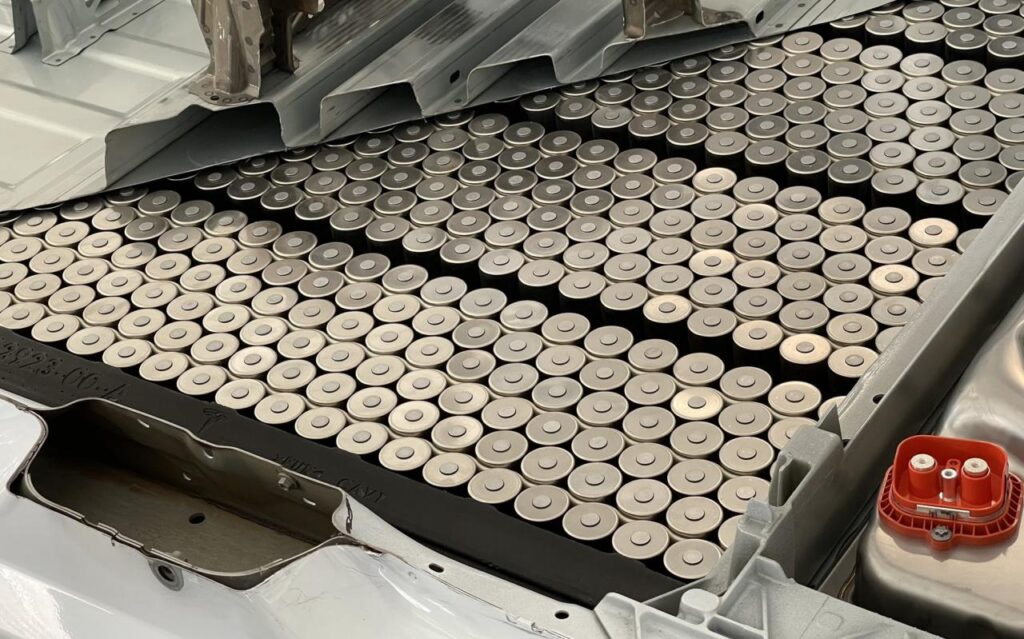
Panasonic’s long-standing partnership with Tesla has been one of the most prominent alliances in the EV industry. Since their collaboration began at Gigafactory Nevada, Panasonic has played a critical role in supplying 2170 cylindrical battery cells for Tesla’s Model 3 and Model Y vehicles. While the Japanese manufacturer has secured a few additional customers over the years, Tesla remains its top client and was expected to be the primary customer for battery cells produced at the Kansas facility.
Construction of the $4 billion factory in De Soto, Kansas, began in 2022, symbolizing Panasonic’s commitment to expanding its battery manufacturing footprint in North America. The plant was set to produce 30 GWh of 2170 cells annually, with speculation that production of Tesla’s next-generation 4680 cells might follow.
However, the landscape has shifted dramatically.
Weak Demand, Policy Headwinds
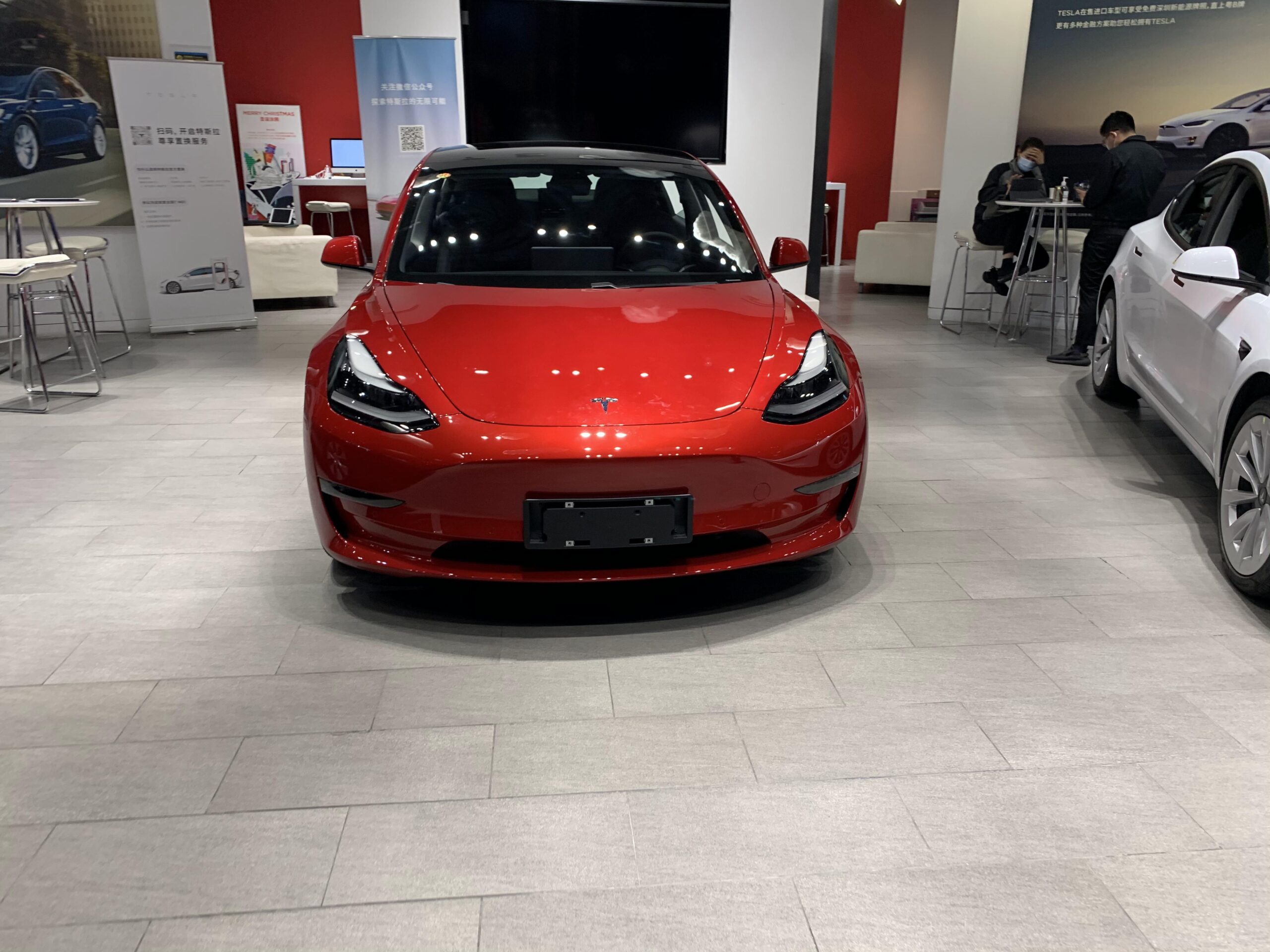
According to a report from Nikkei, Panasonic is postponing its Kansas plant’s production targets due to a “demand slump,” primarily driven by lower-than-expected orders from Tesla. This slowdown comes as Tesla grapples with stagnating EV sales in the U.S. market, further exacerbated by changing federal policies.
The looming removal of EV-related tax credits starting in Q4 2025 under the Trump administration has led to growing uncertainty for automakers and suppliers alike. The rollback affects not only EV purchases but also investment in surrounding infrastructure such as public charging stations and renewable energy systems—factors essential for EV adoption.
For Panasonic, the combined pressure of shrinking demand and a weakening incentive structure has forced a reevaluation of its North American strategy.
From Expansion to Retrenchment
The Kansas facility’s ramp-up delay is not an isolated case but part of a broader strategic shift by Panasonic. As early as mid-2024, the company scrapped its previously announced timeline to expand global EV battery production to 200 GWh by the 2031 fiscal year. Although the 200 GWh target remains on paper, it is no longer bound to a specific date.
This recalibration reflects a more conservative outlook. Panasonic had initially planned to quadruple its EV battery capacity and triple its global turnover to more than 3 trillion yen (about $19 billion) by 2031. These ambitions are now being revised downward in light of market realities.
Moreover, a proposed third battery plant in Oklahoma—rumored to be under consideration following Kansas—is likely to be shelved. Panasonic’s scaled-back approach indicates a broader cooling of its aggressive North American expansion plans.
The Fate of 4680 Production
One of the more intriguing aspects of the Kansas plant was the possibility that it would eventually manufacture 4680 battery cells—Tesla’s innovative, higher-energy-density format. Pilot production of the 4680 cell has been ongoing in Japan, with series production initially planned for March 2023. Panasonic had intended to transition manufacturing to North America for volume production.
However, the recent delay and policy headwinds in the U.S. have cast doubt on whether this transition will take place as envisioned. With reduced certainty in the U.S. market, Panasonic may choose to consolidate its advanced battery production capabilities within Japan or other regions with more stable policy support.
Refocusing on Japan
In response to North American volatility, Panasonic is reportedly shifting part of its strategic focus back to Japan. By doing so, the company hopes to establish a more reliable second pillar of growth, one that is less exposed to geopolitical and policy-driven risks.
Japan offers a more predictable regulatory environment, established infrastructure, and growing domestic demand for electrified transportation. Panasonic is expected to leverage its existing R&D and pilot production resources in Japan to maintain momentum while weathering global market fluctuations.
Broader Implications for the EV Industry
Panasonic’s decision to delay its Kansas plant ramp-up underscores the fragility of the current EV supply chain. Battery production—a capital-intensive, long-lead-time endeavor—is particularly vulnerable to shifts in consumer demand, raw material pricing, and government incentives.
This development also raises questions for other battery and EV manufacturers. If a seasoned industry player like Panasonic is reining in its plans, others may follow suit. Companies will need to become more agile and responsive to policy changes, possibly diversifying their geographic focus to mitigate risk.
At the same time, governments aiming to promote EV adoption must recognize the importance of consistent policy frameworks. Sudden reversals—such as the elimination of tax incentives—can disrupt long-term industrial planning and dissuade investment in critical infrastructure.
Conclusion
Panasonic’s delay in ramping up its Kansas battery plant serves as a warning signal for the entire EV industry. With Tesla demand weakening and U.S. policy becoming less favorable, battery suppliers are reassessing their roadmaps. For Panasonic, this means recalibrating growth expectations and reinforcing its Japanese operations.
As the global EV market matures, adaptability will become just as important as innovation. Stakeholders must navigate a complex web of economic, political, and technological factors. Those who manage this balancing act effectively will emerge as the next generation of industry leaders.
In the meantime, Panasonic’s Kansas facility will begin low-volume production, but its full potential will remain on hold—waiting for market demand and policy alignment to catch up.