On June 23, BYD officially responded to widespread online rumors suggesting that its upcoming solid-state battery technology would first be installed in its popular Seal model. The company categorically denied the claim, stating that no official decisions have been made regarding the first model or detailed specifications for its solid-state battery application.
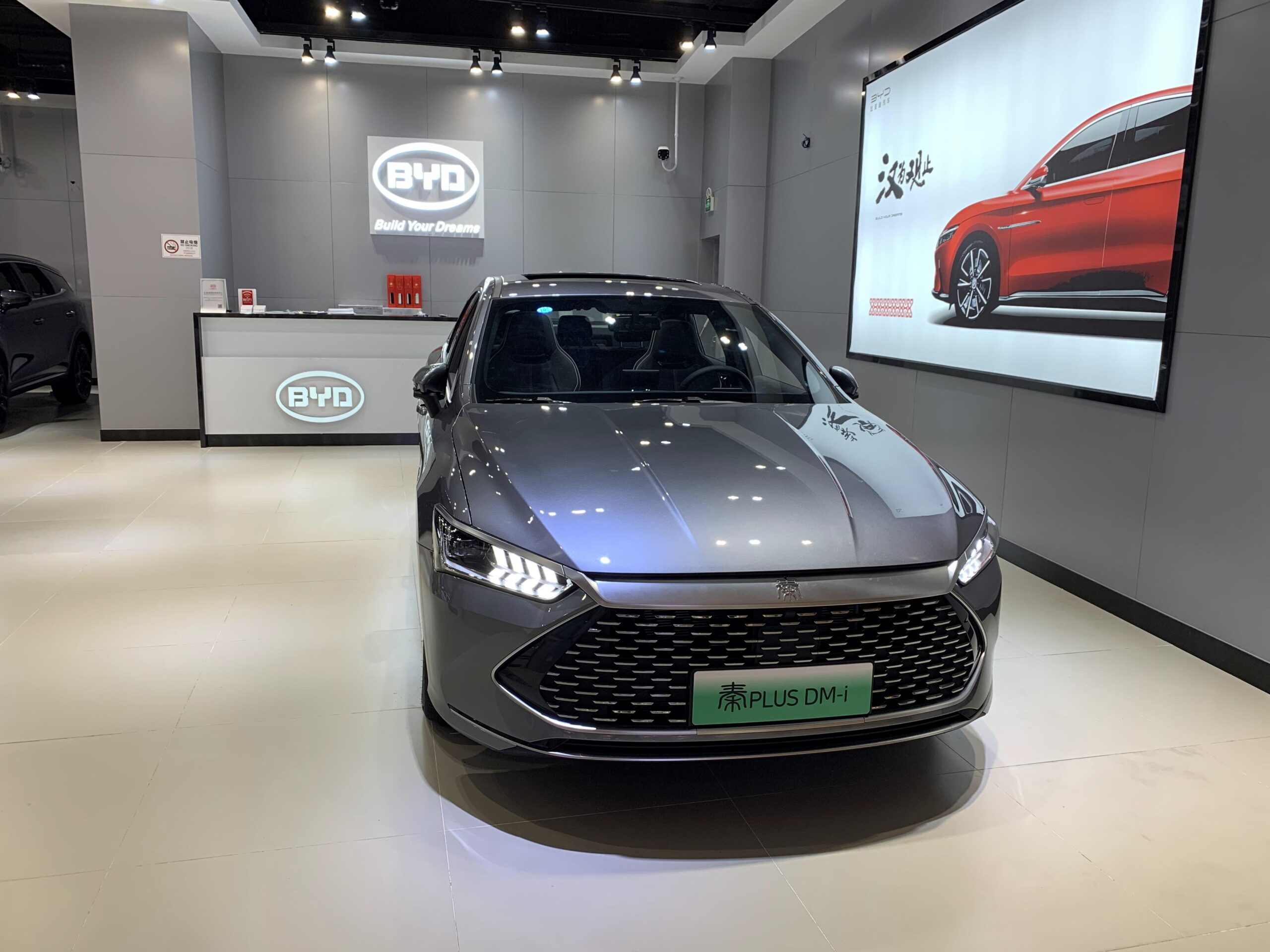
Recent speculation claimed that BYD’s solid-state battery would boast an impressive 400Wh/kg energy density and enable a driving range of 1,500 km with just 12 minutes of charging. However, BYD clarified that these figures are not part of any official announcement and remain purely speculative.
BYD’s Official Clarification: No Confirmed Model or Specifications
“Everything is currently unknown,” a BYD representative stated. “The first vehicle model and battery specifications have not been released through any official channel.”
This strong rebuttal aims to temper market speculation and reinforce that while solid-state battery technology is under active development, its commercial deployment is still several years away. The company emphasized that all publicly available product details must be based on verified statements from its R&D or executive leadership.
2027: Pilot Deployment Timeline Confirmed
Despite debunking the Seal model rumor, BYD remains transparent about its solid-state battery roadmap. Sun Huajun, CTO of Shenzhen BYD Lithium Battery Co., previously stated that the company expects to begin pilot deployment of all-solid-state batteries in vehicles around 2027.
He further noted that BYD is working toward mass-scale application by 2030 and beyond, aligning with long-term industry trends and safety standards.
During the 2nd China Solid-State Battery Innovation and Development Summit held in February 2024, Sun confirmed that BYD had already completed a mid-scale trial production (pilot line) of 60Ah all-solid-state batteries. This milestone marks a significant step in the company’s preparation for eventual market introduction.
Technical Progress and Cost Outlook
According to Sun Huajun, once solid-state batteries reach industrial-scale production, their cost is expected to approach that of current liquid lithium-ion batteries. This is a critical factor in achieving widespread adoption across BYD’s expanding electric vehicle lineup.
From a technology perspective, solid-state batteries offer numerous advantages:
- Higher energy density
- Improved safety (reduced fire risk)
- Longer cycle life
- Faster charging capabilities
However, challenges such as material sourcing, manufacturing scalability, and reliable performance under automotive conditions still need to be addressed before large-scale commercialization.
Industry-Wide Implications and Market Caution
The swift spread of rumors regarding BYD’s solid-state battery application highlights high investor and consumer interest in next-generation EV technologies. However, BYD’s response also serves as a reminder that solid-state batteries remain in development, and any mass deployment will follow rigorous testing and validation.
With global competition intensifying, major automakers such as Toyota, Volkswagen, and BMW are also racing to develop solid-state battery solutions. Still, no company has yet achieved widespread commercial deployment.
Conclusion: BYD Remains Committed, but Timelines Must Be Respected
BYD’s denial of rumors linking its solid-state battery to the Seal model reinforces the company’s stance on transparent and responsible communication. While the technology holds enormous promise, 2027 remains the earliest feasible timeframe for pilot integration, with 2030 as a more realistic milestone for full-scale deployment.
As the EV industry continues to innovate, BYD’s leadership in battery technology remains evident—but it also highlights the importance of managing expectations and avoiding premature speculation in the rapidly evolving landscape of electric mobility.