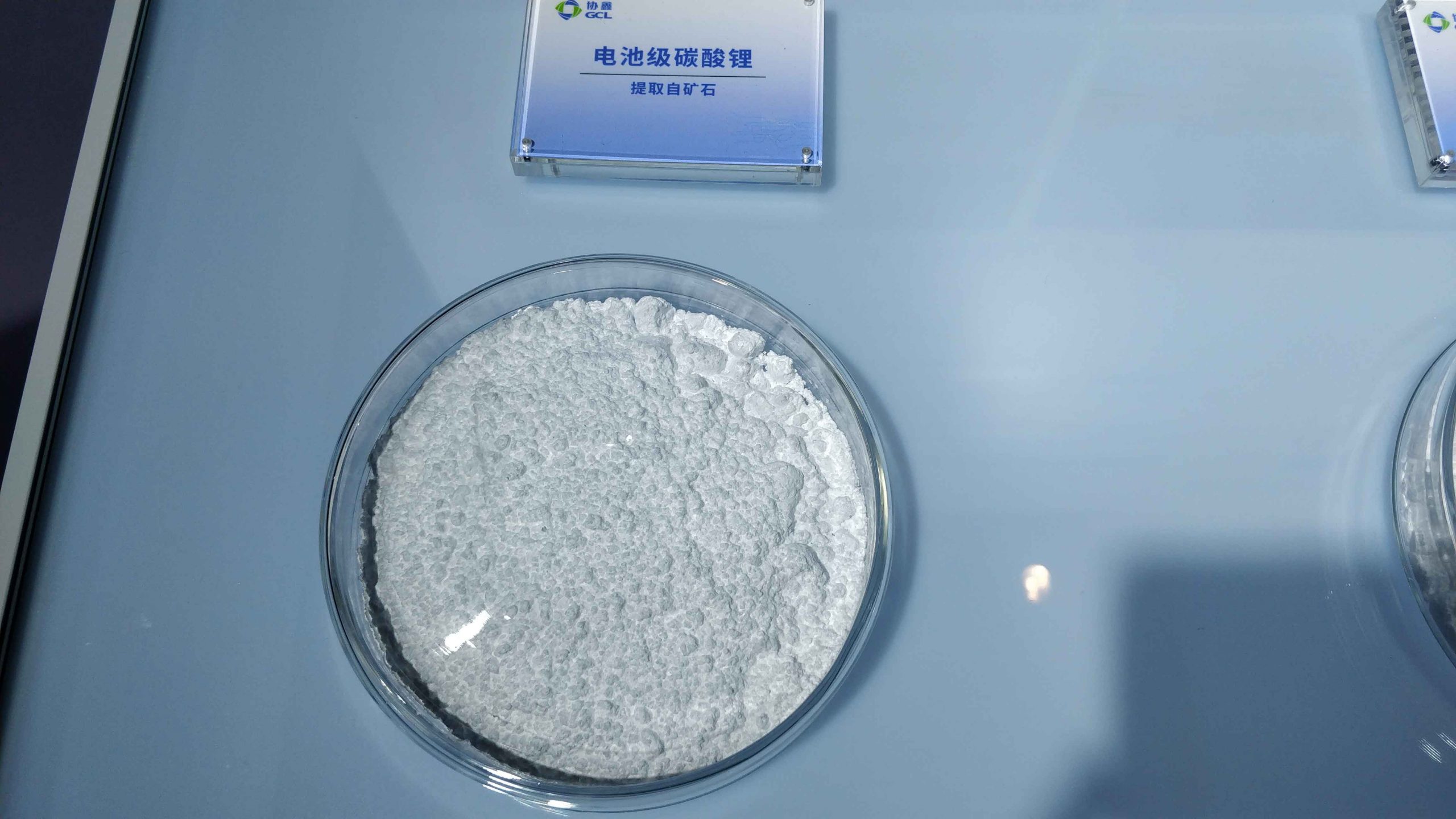
From the sleek bodies of aircraft soaring across the skies to rocket engines blasting off into space, vanadium plays a vital role in aerospace technologies, lending its strength to parts like airframes, engines, and rocket casings. Known as the “vitamin of alloys,” vanadium has unique high-temperature and high-pressure resistance qualities, making it indispensable for advanced alloy materials.
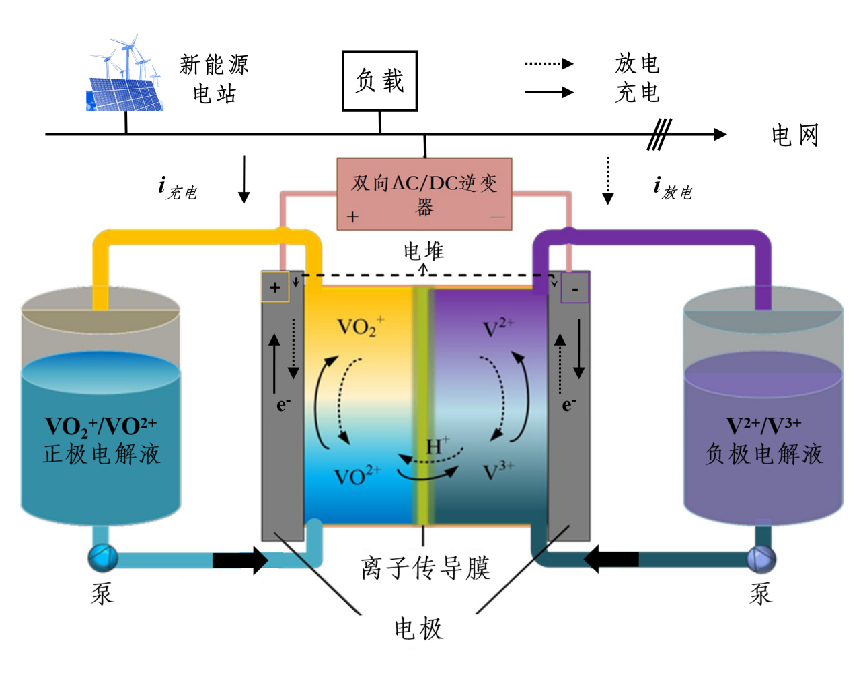
Yet, this “sky-bound material” is also emerging as a powerful tool in energy storage systems here on Earth. Vanadium’s exceptional properties make it ideal for vanadium flow batteries (VFB), a rising contender in the field of long-duration energy storage.
In recent years, VFB technology has gained attention for its safety, longevity, and recyclability, marking it as a potential “dark horse” in the race for long-duration energy storage solutions.
Why Long-Duration Energy Storage Matters
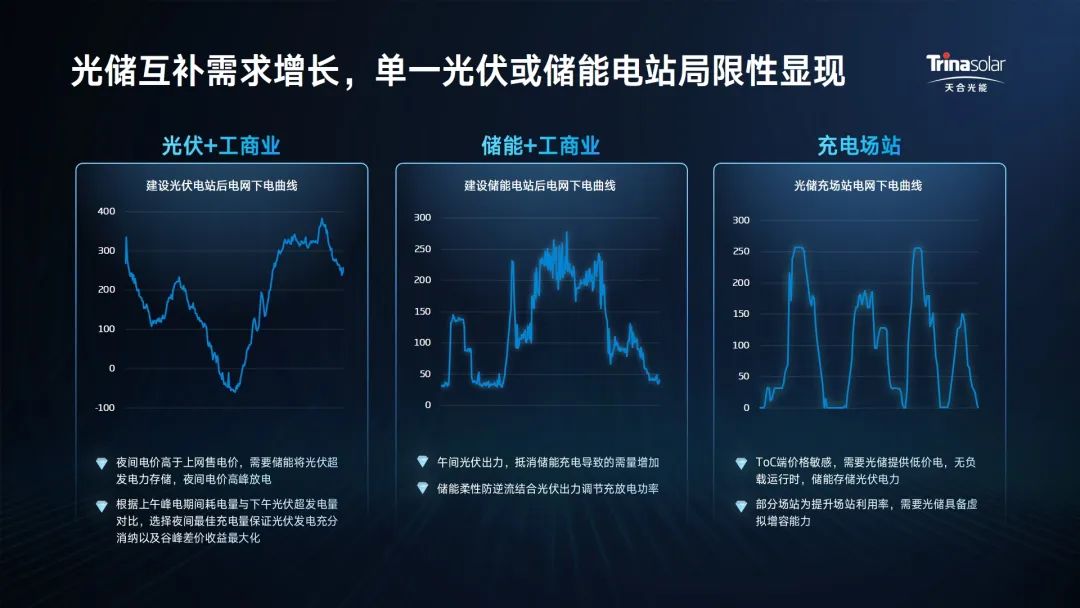
As the proportion of renewable energy sources in power grids continues to rise globally, balancing the supply and demand of electricity becomes increasingly challenging. Long-duration energy storage offers a solution by regulating the intermittent nature of renewable energy generation over extended periods, helping to smooth fluctuations and enhance the integration of clean energy into the grid.
“Unlike lithium-ion batteries, which are designed for short-term charge-discharge cycles, vanadium flow batteries are champions of endurance, excelling in the 4-12 hour energy storage range,” says Bi Ran, a researcher at the Comprehensive Energy Technology Research Center of the China Three Gorges Corporation’s (CTGC) Science and Technology Institute. “In addition, VFBs are a model of safety in the energy storage world. They carry no risk of explosion or fire, ensuring stable and reliable protection of stored energy. The battery’s operational life exceeds 20 years, and the electrolyte can be recycled indefinitely, making it both environmentally friendly and economical.”
A Milestone for VFB: The World’s Largest Vanadium Flow Battery Project Nears Completion
Currently, China has only one VFB energy storage plant with a capacity exceeding 100 MW, with most projects remaining under 100 MW. However, the demand for energy storage in future large-scale renewable energy projects is expected to trend toward more centralized and large-scale deployments. Therefore, 100 MW projects and beyond are set to become the mainstream of energy storage development.
Moving from the laboratory to real-world applications, how can we scale up the deployment of vanadium flow battery technology? This is the primary challenge facing the research and development team at the CTGC Science and Technology Institute.
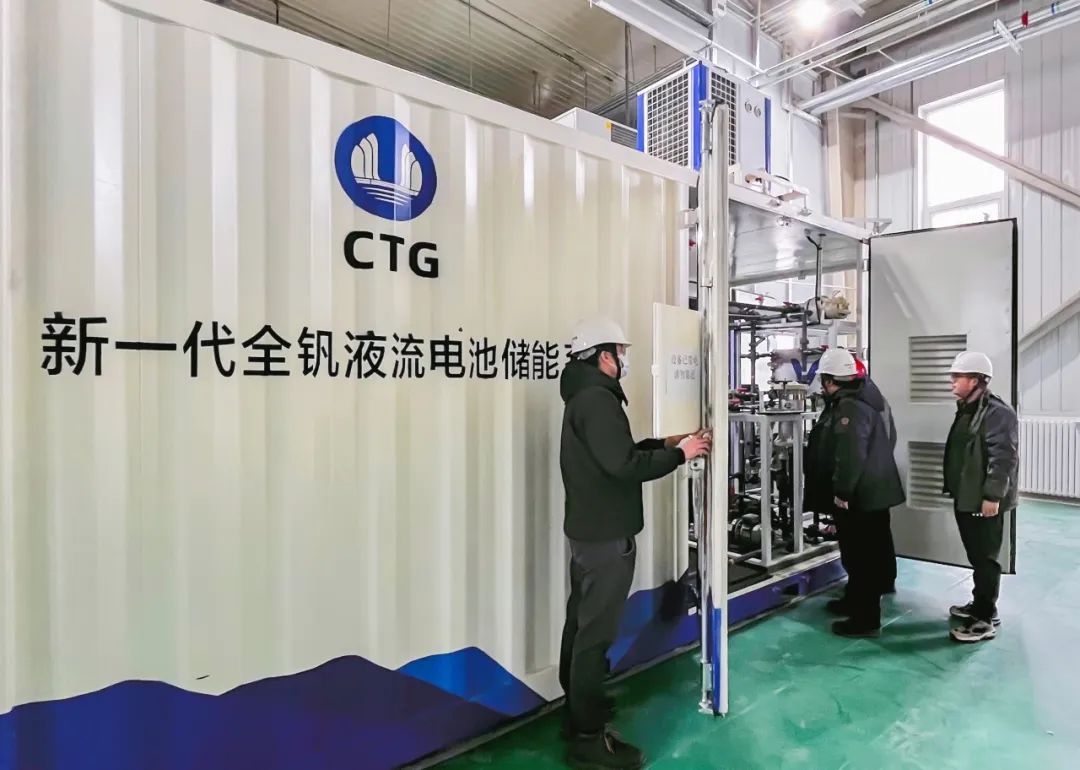
The CTGC Science and Technology Institute is tackling this challenge head-on by collaborating with top-tier research institutions, raw material suppliers, and equipment integrators across the entire VFB industry chain. By addressing key issues such as basic materials, structural design, system integration, and operational management, the team has significantly improved the safety and reliability of VFB energy storage systems.
“Compared to other vanadium flow battery projects, our project at the Science and Technology Institute focuses on large-scale wind and solar power stations,” explains Wu Zhuoyan, a researcher at the Comprehensive Energy Technology Research Center. “It has already been tested and proven in various application scenarios, such as tracking power generation schedules, smoothing wind power output, and enabling black starts.”
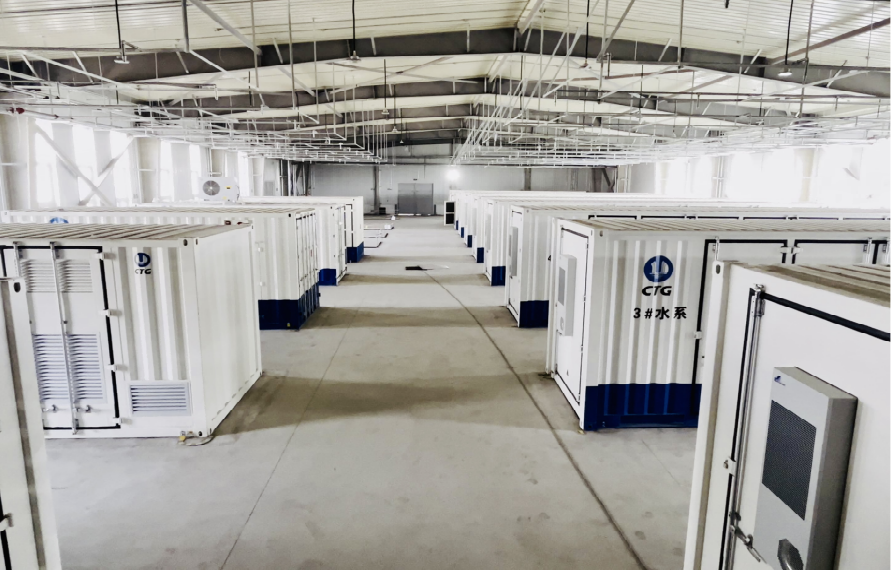
The world’s largest vanadium flow battery energy storage project, currently under construction, is the 200 MW/1000 MWh VFB project in Jimsar County, Xinjiang. This project, part of CTGC’s energy division, is expected to be grid-ready by the end of the year. Once operational, the battery will have a discharge duration of up to five hours. Through integrated innovation, the CTGC Science and Technology Institute has provided vital technical support for this project, marking a significant step toward large-scale exploration of VFB technology.
Vanadium Flow Batteries: Bridging the Storage Gap
At present, the average discharge duration of new energy storage projects in China is around 2.2 hours. However, a U.S. industry report titled “Applications, Economics, and Technology of Long-Term Power Storage” indicates that when renewable energy’s share in the power grid reaches 50%-80%, energy storage durations of more than 10 hours will be required to maintain balance.
To address this growing need, the CTGC Science and Technology Institute is focusing its research on extending the duration of energy storage.
“We are concentrating on system integration innovation, aiming to develop a VFB solution with independent intellectual property rights that is inherently safe, efficient, and reliable,” says Zhu Xiaoyi, Director of the Comprehensive Energy Technology Center at CTGC. “Our goal is to create a solution that can support large-scale renewable energy projects and meet the future development needs of the renewable energy industry.”
Innovations and Future Outlook
One of the main advantages of vanadium flow batteries is their inherent safety and reliability. VFBs do not pose a fire risk because they do not rely on flammable electrolytes. This is especially crucial for large-scale energy storage projects, where safety concerns are magnified. Moreover, the ability to recycle the electrolyte an unlimited number of times adds to the environmental appeal of VFB technology.
Another key benefit of VFB technology is its ability to perform consistently over time without significant degradation. Traditional lithium-ion batteries experience performance losses as they undergo more charge-discharge cycles, but VFBs do not suffer from the same issue. This makes VFBs particularly suited for long-duration storage applications where consistent performance is critical over decades of operation.
The CTGC Science and Technology Institute’s focus on system integration innovation also represents a forward-looking approach to solving some of the technical and operational challenges that have limited the widespread adoption of VFB technology in the past. By collaborating with key players across the VFB supply chain, the institute is ensuring that the technology can be deployed reliably and at scale, supporting China’s broader renewable energy goals.
Conclusion
As renewable energy continues to play an increasingly vital role in global energy grids, long-duration energy storage solutions like vanadium flow batteries are poised to become indispensable. The world’s largest VFB project, set to be operational by the end of the year in Xinjiang, China, represents a major milestone in the development of this technology. With its focus on safety, longevity, and scalability, vanadium flow battery technology is well-positioned to meet the growing demands of large-scale renewable energy projects.
Through ongoing innovation and strategic partnerships, the CTGC Science and Technology Institute is driving the adoption of vanadium flow batteries, paving the way for a more sustainable and efficient energy future.)