Recent discoveries in southern Arkansas suggest that the Smackover Formation could be home to significant lithium reserves, sparking interest from both researchers and the energy industry. As global demand for lithium continues to surge due to its critical role in electric vehicle (EV) batteries and other high-tech products, this potential new source could offer a transformative boost to the U.S. lithium supply chain. Researchers estimate that the Smackover Formation brines could contain anywhere from 5.1 to 19 million tons of lithium—an amount that could account for 35% to 136% of the current U.S. lithium resource estimates.
Lithium Discovery in Arkansas
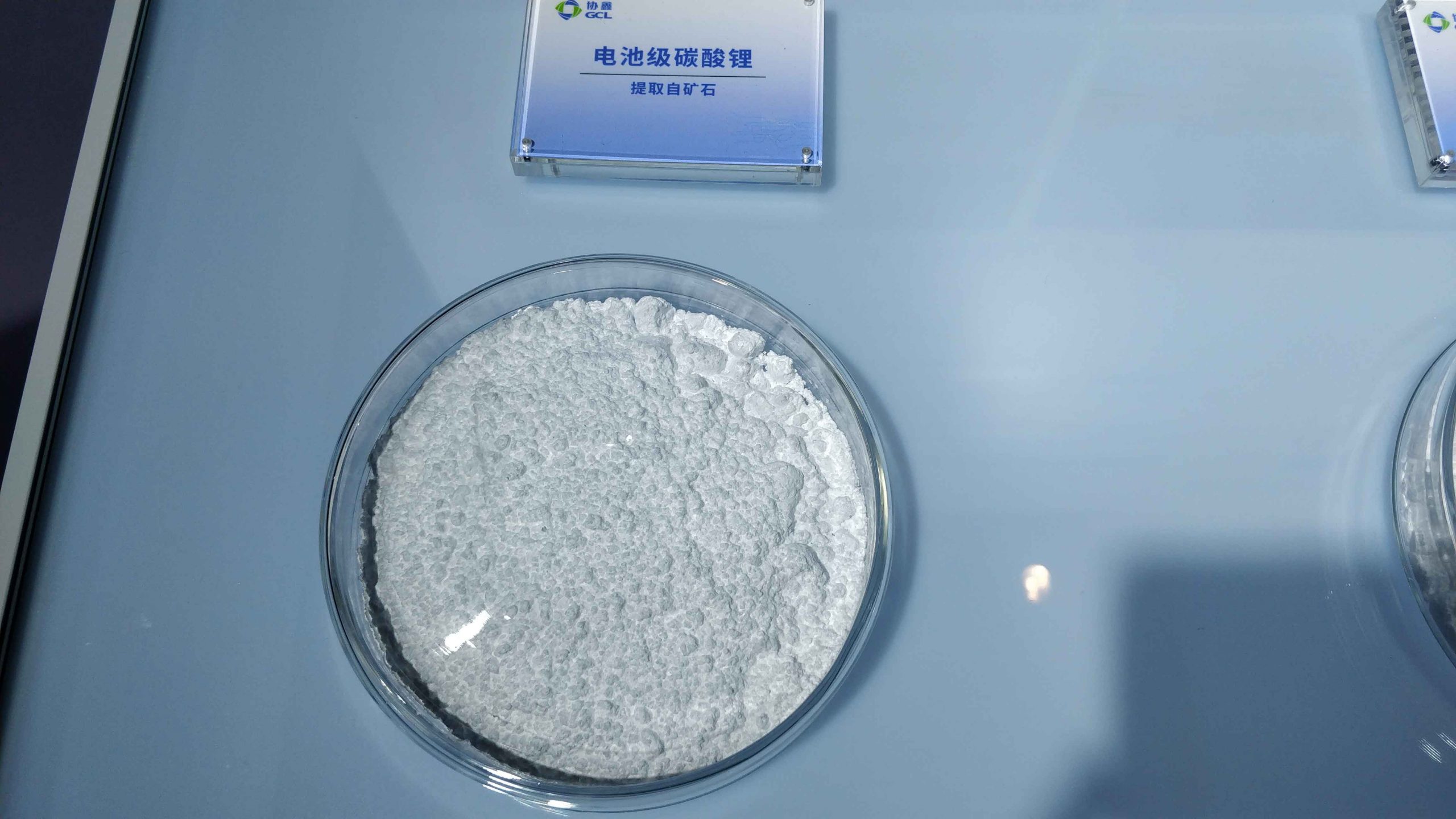
A study published in Science Advances has caught the attention of automakers, tech companies, and investors alike. The researchers used a machine-learning model to analyze both newly collected and previously published brine lithium concentration data to create a predictive map of lithium concentrations across southern Arkansas. This advanced model suggests that the Smackover Formation, known for its rich brine deposits, could become a major player in the lithium industry. If the estimates prove accurate, Arkansas could emerge as a key resource hub for the growing demand for lithium in electric vehicles, energy storage systems, and other high-tech applications.
The findings come at a critical moment for the global lithium market, as countries and industries push for more sustainable and independent energy solutions. As the world moves away from fossil fuels, the need for large-scale, long-duration energy storage solutions has never been greater. Lithium plays a crucial role in enabling this transition, with its use in batteries powering everything from electric vehicles to large energy storage systems that help balance renewable energy supply and demand.
Lithium’s Role in the Energy Transition
Lithium has become one of the most sought-after materials in the world due to its key role in rechargeable batteries. In particular, lithium-ion batteries are used in EVs, laptops, smartphones, and grid storage systems. As the demand for clean energy and sustainable transportation increases, so does the need for lithium. Automakers and technology companies are particularly eager to secure long-term lithium supplies to avoid disruptions in the production of EVs and other high-tech products.
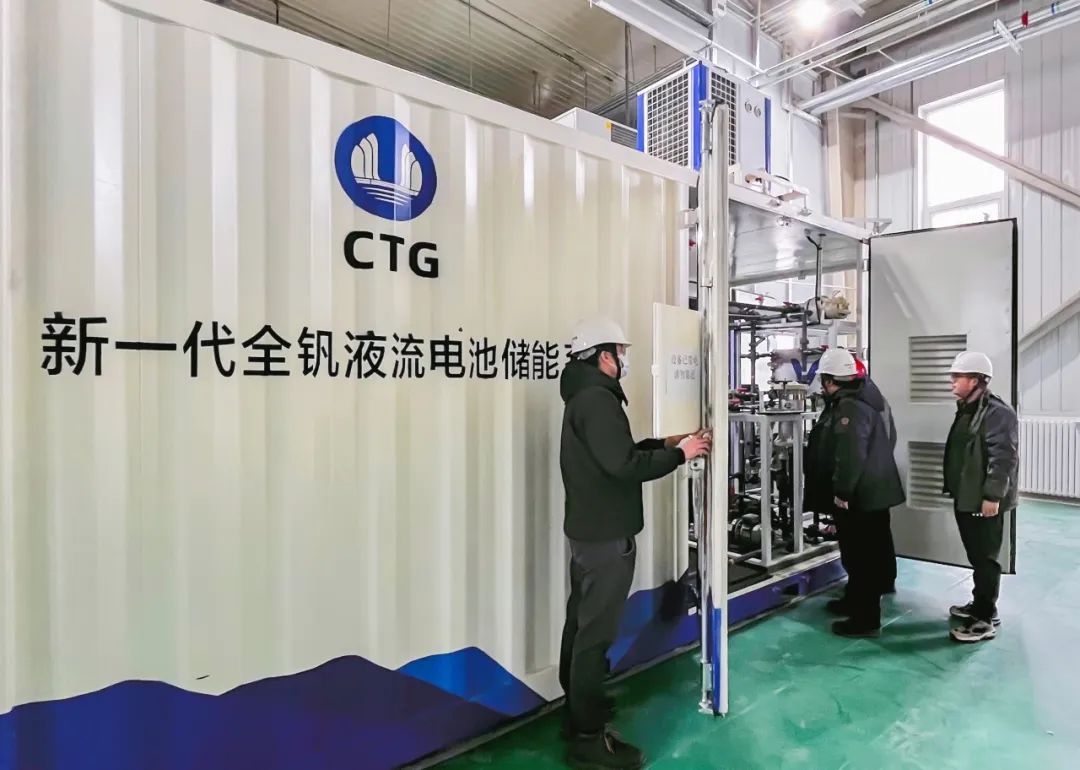
According to Bi Ran, a researcher at the China Three Gorges Corporation, “Lithium batteries are essential for energy independence as we transition away from fossil fuels and toward renewable energy solutions. They are the backbone of modern energy storage systems, which are crucial for grid stability and for ensuring that renewable energy can be stored and used when needed.”
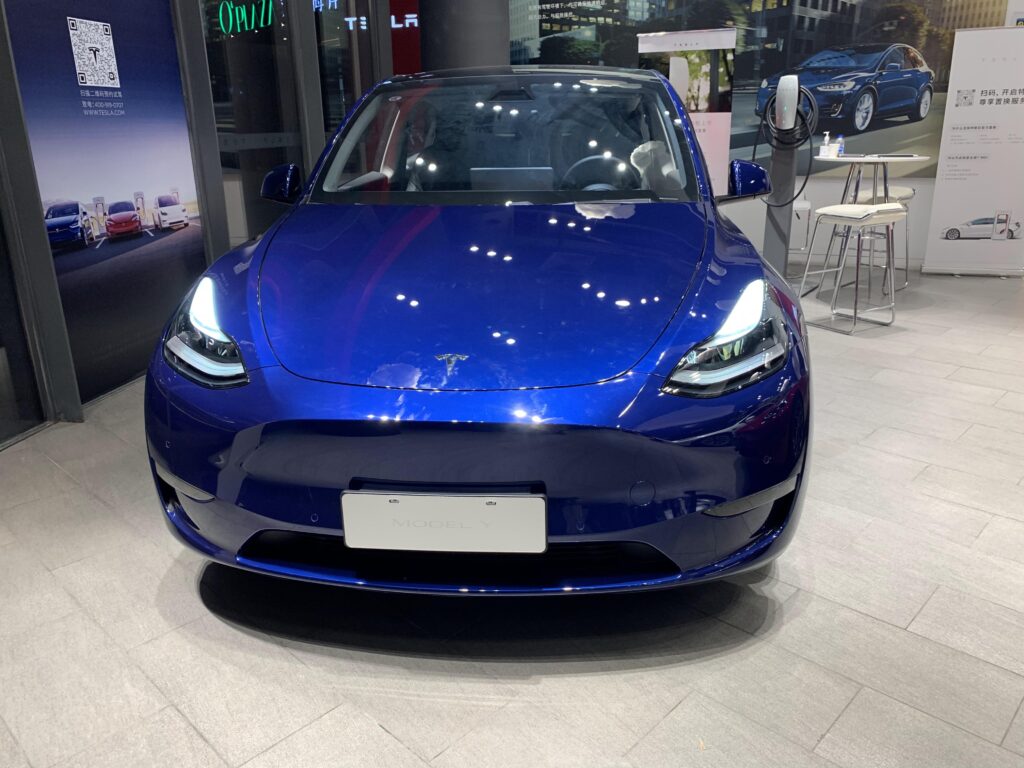
This sentiment was echoed by Tesla CEO Elon Musk, who tweeted in July 2022 that “lithium batteries are the new oil.” Musk’s remark came in response to Craft Ventures co-founder David Sacks’ comments on the importance of energy independence amid geopolitical tensions and oil price fluctuations, particularly in the wake of Russia’s invasion of Ukraine.
Investing in Lithium: A Growing Market
The potential discovery of significant lithium deposits in Arkansas has also piqued the interest of investors looking to capitalize on the growing demand for lithium. One way investors can gain exposure to this market is through lithium exchange-traded funds (ETFs), which offer a diversified portfolio of companies involved in lithium production, battery technology, and clean energy.
Some of the top lithium ETFs to consider include:
- Global X Lithium & Battery Tech ETF (LIT): This ETF tracks companies in the lithium and battery tech sectors, including those involved in the mining, refining, and production of lithium batteries.
- Amplify Lithium & Battery Technology ETF (BATT): BATT offers exposure to companies involved in lithium battery development and energy storage technologies.
- First Trust NASDAQ Clean Edge Green Energy Index Fund (QCLN): This ETF focuses on clean energy companies, including those involved in renewable energy, energy storage, and lithium technology.
- iShares Global Clean Energy ETF (ICLN): ICLN provides exposure to global clean energy companies, including those developing lithium batteries and energy storage solutions.
- VanEck Vectors Rare Earth/Strategic Metals ETF (REMX): REMX focuses on companies engaged in the production of rare earth and strategic metals, including lithium, which are essential for high-tech and clean energy applications.
Global Race for Lithium Supplies
The U.S. isn’t the only country actively pursuing lithium production. International efforts to secure lithium supplies are ramping up, as the world recognizes the crucial role this mineral plays in the future of clean energy. In Europe, Rio Tinto’s Jadar project in Serbia has received renewed attention after the Serbian parliament decided not to ban lithium exploration and exploitation. This decision has kept Rio Tinto’s major Jadar project alive, ensuring a potential new source of lithium for the European market.
Meanwhile, automakers and tech giants are investing in lithium mining projects to safeguard their future supplies. General Motors (GM), for instance, has entered a joint venture with Lithium Americas for the Thacker Pass lithium project in Nevada. This venture is part of GM’s broader strategy to secure the materials necessary for its electric vehicle lineup. Similarly, Tesla has shown interest in innovative battery materials that reduce lithium consumption, including a collaboration between Microsoft and a U.S. national laboratory to create a battery material that decreases lithium usage by 70%.
These developments underscore the growing importance of lithium not only in the transportation sector but also in grid storage and other applications critical to the global energy transition.
The Future of Lithium in Arkansas and Beyond
The potential lithium discovery in Arkansas could mark a turning point for the U.S. energy supply chain. By tapping into domestic lithium resources, the U.S. could reduce its reliance on foreign suppliers and secure a more stable, sustainable energy future. Furthermore, the ability to scale up lithium production domestically would strengthen the country’s clean energy infrastructure, enabling greater adoption of electric vehicles and renewable energy technologies.
While the Smackover Formation’s lithium reserves are still in the early stages of exploration, the prospects are promising. If the estimates hold true, Arkansas could soon join the ranks of major lithium producers, positioning itself as a critical player in the global energy landscape. This would not only benefit the U.S. economy but also contribute to the worldwide effort to reduce carbon emissions and combat climate change.
The next few years will be critical for determining whether Arkansas’s lithium potential can be fully realized. With growing demand for clean energy solutions and the increasing importance of energy storage, the U.S. is poised to become a leader in the global lithium market, and Arkansas could play a pivotal role in this transition.