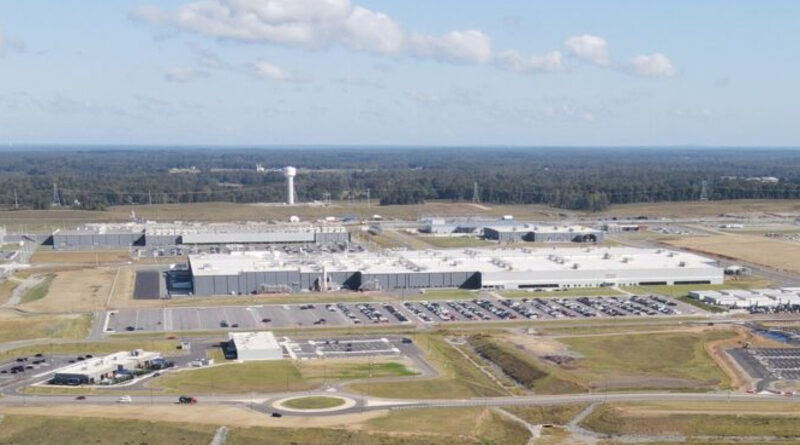
Tesla has instructed its suppliers to eliminate all China-made components from vehicles manufactured at its US facilities, with the electric vehicle maker and its partners already replacing some Chinese-sourced parts and planning to complete the transition within the next one to two years. The directive, which came earlier in 2025, marks a significant acceleration of the company’s efforts to reduce dependence on Chinese supply chains amid escalating US-China trade tensions.
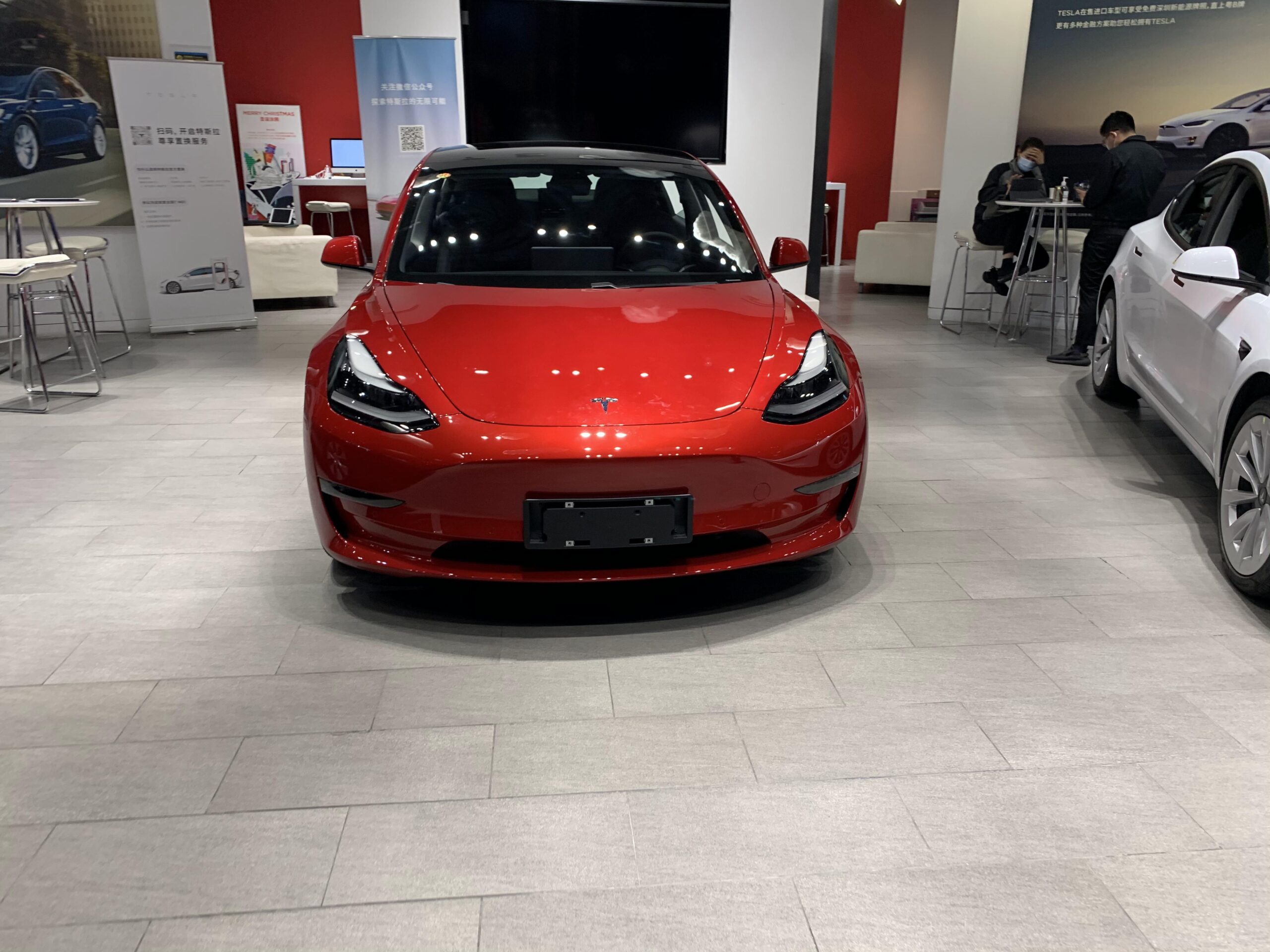
The move represents part of a broader industry trend, with General Motors directing thousands of suppliers to cut China from their sourcing networks by 2027, a deadline the automaker began communicating in late 2024 and intensified in 2025 as trade tensions escalated under the Trump administration’s tariff policies.
Tesla’s Strategic Shift
Tesla’s strategy gained urgency after the US imposed steep tariffs on Chinese imports this year, accelerating the company’s move to eliminate China-sourced components. The transition has been particularly challenging given China’s dominance in producing auto parts, including chips, batteries, and essential materials that are often more affordable due to large-scale production and lower costs.
Tesla’s US market represents its largest customer base, where all vehicles sold domestically are manufactured at American factories. In contrast, the Shanghai plant produces cars primarily using locally sourced components, distributed across China and exported to other regions, mainly Asia and Europe, but not shipped to the US.
The company faced significant pressure regarding battery sourcing. The US excluded vehicles equipped with Chinese-made batteries from electric vehicle tax credit eligibility, forcing Tesla to reconsider its reliance on Chinese lithium iron phosphate (LFP) batteries from CATL, the world’s largest battery manufacturer.
Tesla and its suppliers have already replaced some China-made parts with components manufactured in Mexico, South Korea, and the United States. The company plans to begin domestic LFP battery production at its Nevada facility, with operations expected to commence in the first quarter of 2026.
General Motors’ Comprehensive Withdrawal
GM has set a 2027 deadline for certain suppliers to sever their Chinese sourcing connections, with the directive targeting components and materials for vehicles manufactured in North America, where the company produces the majority of its global output.
GM’s preference is to procure parts from North American manufacturing facilities for regionally-built vehicles, though the company remains receptive to non-US supply lines excluding China. The initiative extends beyond China, also targeting Russia and Venezuela, though China represents by far the largest source of automotive components on the restricted list.
Suppliers note that some supply chains have been built over 20 to 30 years, and unwinding them under a tight timeline will be complex and expensive. The restructuring requires new factories, partnerships, and significant capital investment, with higher component costs likely in the short term.
GM CEO Mary Barra emphasized the importance of supply chain resilience during an October quarterly conference call, stating the automaker has been working for years to source parts in the same country where it builds cars when possible. Shilpan Amin, GM’s global purchasing chief, noted at a conference that the risk of supply disruptions has forced the automaker to move away from simply tapping the lowest-cost countries, emphasizing that “resiliency is important—making sure you have more control over your supply chain”.
Apple’s Rare Earth Strategy
Beyond the automotive sector, technology giant Apple has taken decisive steps to secure domestic rare earth supplies. In July 2025, Apple announced a $500 million commitment with MP Materials, the only fully integrated rare earth producer in the United States, to purchase American-made rare earth magnets developed at MP Materials’ flagship Independence facility in Fort Worth, Texas.
The two companies will establish a cutting-edge rare earth recycling line in Mountain Pass, California, enabling MP Materials to process recycled rare earth feedstock from used electronics and post-industrial scrap for reuse in Apple products. MP Materials plans to start shipping magnets in 2027.
Apple pioneered the use of recycled rare earth elements in consumer electronics, first introducing them in the Taptic Engine of iPhone 11 in 2019. Today, nearly all magnets across Apple devices are made with 100 percent recycled rare earth elements.
Geopolitical Drivers and Industry Impact
Tensions between the US and China have left automotive executives in triage mode throughout 2025, with President Donald Trump’s fluctuating tariffs and concerns over potential rare-earth bottlenecks and chip shortages prompting automakers to rethink their reliance on China.
China currently controls over 90 percent of global rare-earth magnet production and refining capacity, making it a critical chokepoint for the world’s technology supply chains. In recent years, Beijing has demonstrated a willingness to leverage its dominance as a geopolitical tool.
GM’s heightened urgency follows China’s recent ban on Nexperia chip exports, which left several automakers scrambling to adjust, underscoring the fragility of global supply networks. The incident highlighted vulnerabilities in deeply integrated supply chains that have developed over decades.
Implementation Challenges
China remains a leading producer of auto parts, including chips, batteries, and essential materials, many of which are more affordable due to large-scale production, lower costs, and weak currency. Finding viable alternatives presents significant challenges given how deeply China’s parts and materials ecosystem is embedded in global production.
The directive to deliver alternatives by 2027 means shorter execution timelines than typical multi-year sourcing shifts. Suppliers face new capital investment, logistics rerouting, and the risk of parts shortages or launch delays during transition.
The extensive reliance on China in areas such as automotive lighting, tooling, and rare-earth materials makes swift reconfiguration costly and complex. The transition demands billions in investments to establish new supplier parks closer to manufacturing hubs in North America and other regions.
Despite short-term cost increases and potential production disruptions, industry leaders emphasize that building resilient, regionalized supply chains will provide greater stability and reduce exposure to geopolitical volatility, tariffs, and sudden export restrictions in the long term.