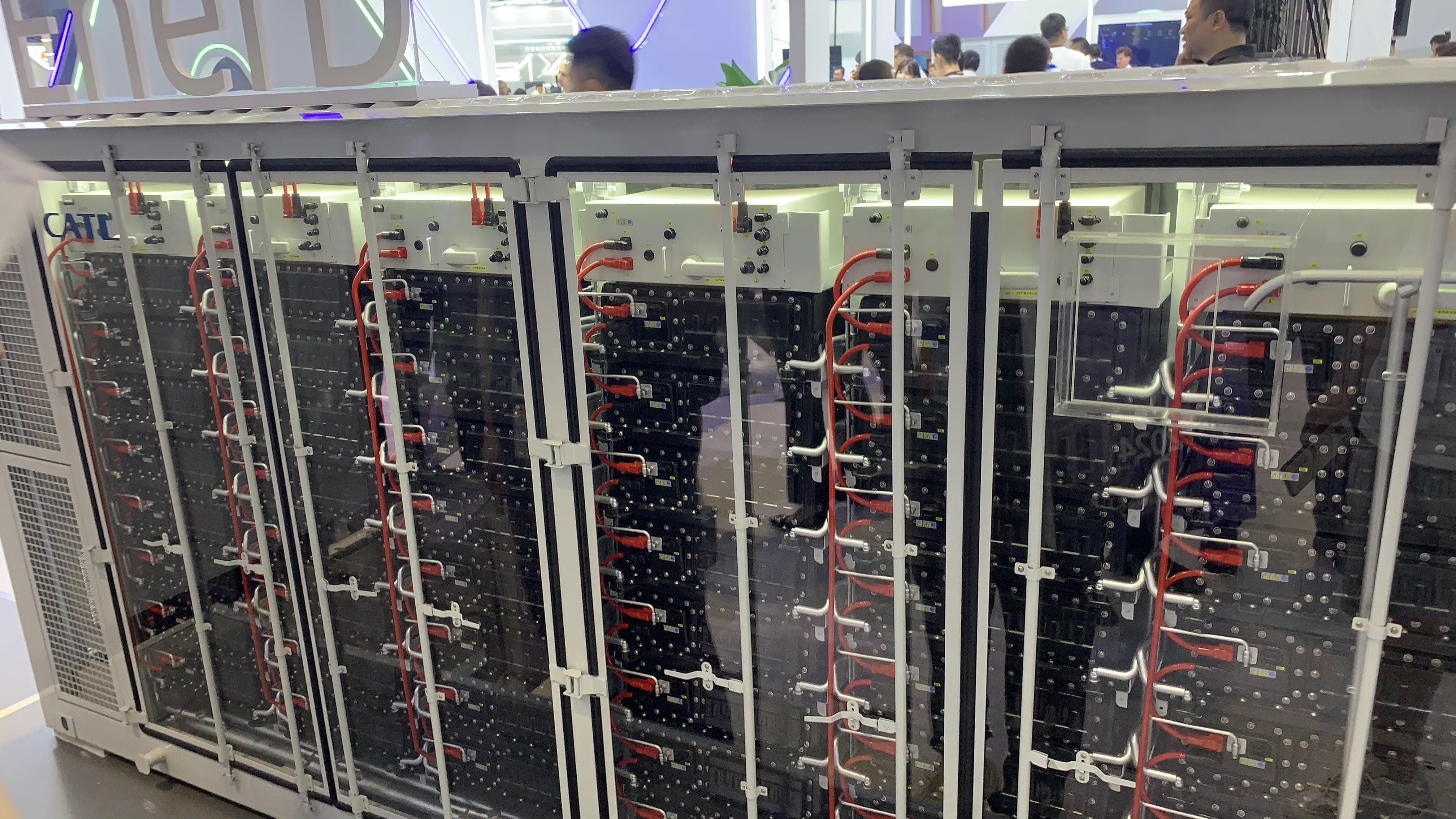
October 2024, North Yorkshire, UK – The UK has reached a significant milestone in its clean energy transition with the launch of its largest battery energy storage system (BESS) at Lakeside Energy Park in Drax, near Selby, North Yorkshire. The 100MW facility, now operational, has the capacity to power approximately 30,000 homes daily across England and Wales, further enhancing the UK’s renewable energy infrastructure.
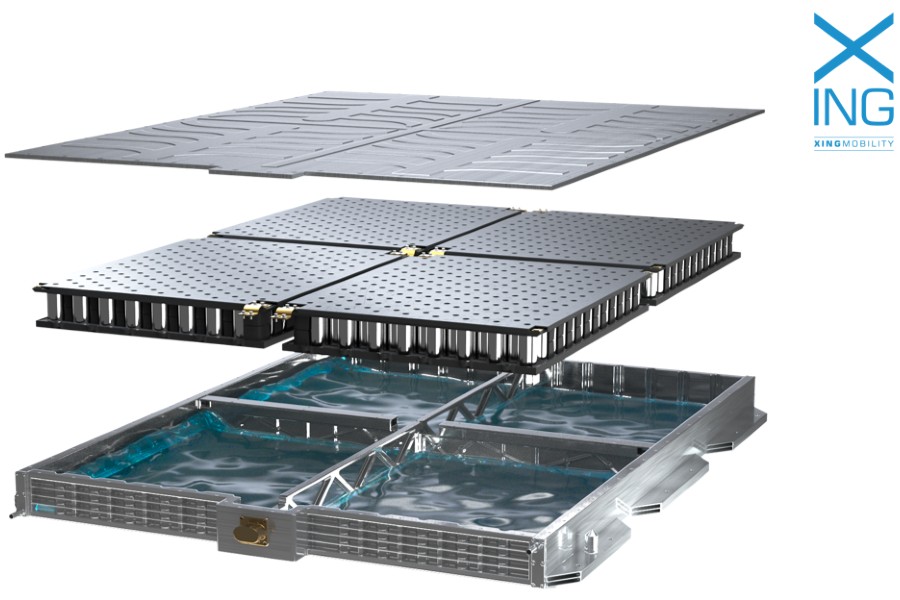
BESS technology plays a crucial role in the transition to renewable energy by storing excess energy generated from sources such as wind and solar. This stored energy is then released during periods of high demand or when renewable generation is low, ensuring a steady supply of clean energy throughout the day.
Supporting the UK’s Net Zero Ambition
The Lakeside Energy Park project is part of the UK’s broader effort to reach its ambitious target of net zero greenhouse gas emissions by 2050. Mark Selvaratnam, project manager of Lakeside Energy Park, emphasized the facility’s importance in contributing to this goal. “Lakeside Energy Park will play a vital role in helping the government meet its net zero target,” he said.
The concept of net zero refers to balancing the amount of greenhouse gases emitted with the amount removed from the atmosphere. The facility will help the UK reduce its reliance on fossil fuels by enabling more efficient use of renewable energy. During periods of excess renewable energy generation, such as when the sun is shining or the wind is blowing, the facility will store the surplus energy and release it later, providing round-the-clock renewable power to the grid.
Enhancing Energy Security and Efficiency
Battery energy storage systems like the one at Lakeside Energy Park are becoming increasingly important as the UK continues to shift toward renewable energy sources. These systems not only help balance the grid but also improve energy security by providing a reliable backup power supply. As more renewable energy comes online, the need for flexible storage solutions will become even more critical to maintaining a stable and efficient energy system.
Selvaratnam explained, “When we have excess supply from renewable sources, batteries can soak that up and store it. Then, at a later time, we can release that back to the grid, helping ensure a stable and continuous supply of renewable energy.”
A Step Forward in the UK’s Energy Transition
The successful launch of the Lakeside Energy Park facility highlights the growing importance of energy storage in the UK’s clean energy landscape. By leveraging innovative technologies like BESS, the UK can better manage the intermittent nature of renewable energy sources and ensure a more reliable and sustainable energy future.
As the country continues its journey toward net zero, projects like Lakeside Energy Park will play a pivotal role in supporting the decarbonization of the energy sector and meeting the UK’s environmental goals.