Abu Dhabi Future Energy Company (Masdar) has announced the start of commercial operations at its battery energy storage system (BESS) facility in Stockport, UK, marking a significant milestone in the global clean energy leader’s £1 billion UK storage investment plan. Simultaneously, Masdar unveiled plans to develop two larger-scale storage projects in Cardiff and Chesterfield, demonstrating its commitment to accelerating the UK’s energy transition.
First Project Operational, Powering 20,000 Homes
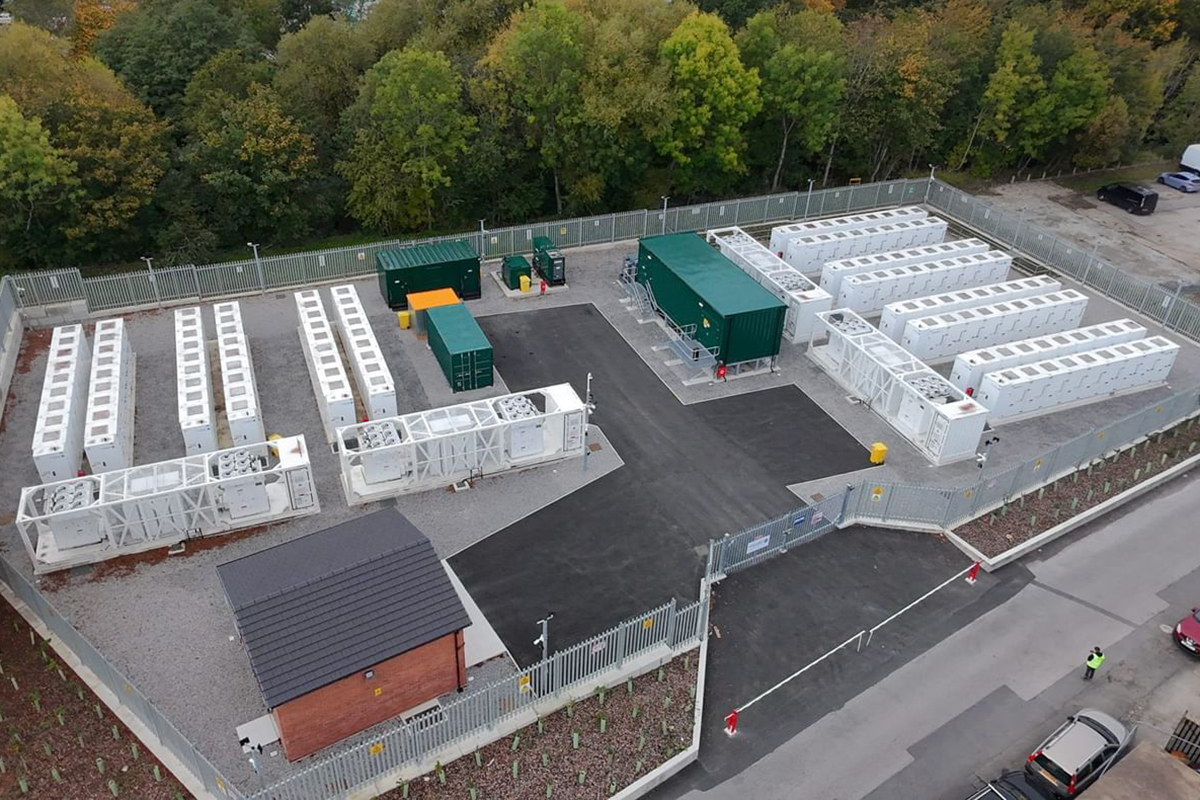
The Stockport facility, located on Welkin Road, has a capacity of 20 megawatts (MW)/40 megawatt-hours (MWh) and can store enough clean electricity to power 20,000 homes for over two hours. Construction on the project began in May 2024, and it became operational in just over six months, showcasing Masdar’s expertise in developing and implementing large-scale storage projects.
Husain Al Meer, Masdar Director of Global Offshore Wind & UK, stated that these latest announcements demonstrate the company is accelerating progress toward delivering on its £1 billion pipeline. He emphasized that battery energy storage systems are critical to helping the UK transform its energy systems, unlock more renewable deployment, and bring tangible benefits to consumers, businesses, and local communities.
Strategic Background: Arlington Energy Acquisition Lays Foundation
In October 2022, Masdar acquired London-based battery energy storage system developer Arlington Energy. This acquisition laid a solid foundation for Masdar’s expansion in the UK and European renewable energy markets. Arlington Energy had taken over 170 megawatts of assets through to operation in the past two years, with a proven track record in developing, building, operating, and financing flexible energy solutions.
Following the acquisition, Masdar committed to investing £1 billion in a 3 gigawatt-hour (GWh) pipeline of BESS projects in the UK, as part of the company’s broader commitment to supporting the country’s energy transition. This strategic deployment transformed Masdar from an investor into an active developer and supporter of the UK’s energy transformation.
Project Pipeline: Cardiff and Chesterfield Ready to Launch
The Cardiff and Chesterfield projects will have a combined capacity of 150MW/300MWh, capable of storing enough electricity to power more than 35,000 UK homes for an entire day. These two projects are significantly larger than the completed Stockport facility, representing a further upgrade of Masdar’s storage investment strategy.
Notably, the Chesterfield project, located in Calow Green, will be situated on land previously used for coal mining and will transform the area into a hub for clean energy generation and storage. The project development will respect the area’s agricultural character while repurposing previously disturbed ground for positive environmental use, demonstrating how former industrial sites can be reimagined to support a sustainable energy future.
Environmental Protection and Community Responsibility
Masdar places great emphasis on environmental protection and community benefits during project development. The Welkin Road plant is located on a previously developed brownfield site in Stockport. Local biodiversity was enhanced during construction, with bird and bat boxes provided to protect wildlife, control of Japanese knotweed, and planting of naturally occurring flora. Additionally, a community fund is being established to donate money to local causes.
This development model, which focuses on environmental and community impact, not only aligns with global sustainable development trends but also sets a positive example for storage projects to gain local support. Through close consultation with local stakeholders, Masdar ensures its projects deliver positive impact to local communities while also providing tangible national economic benefits.
Promising UK Storage Market Outlook
The UK government aims to build up to 27 gigawatts of battery storage capacity by the end of this decade under its Clean Power 2030 Action Plan. This ambitious target provides enormous market opportunities for storage developers like Masdar. Battery energy storage systems play a critical role in balancing and stabilizing the intermittent energy supply from renewables by storing energy during periods of low demand and releasing it during peak times, providing flexible power to the grid.
This flexibility enhances grid stability and energy security, supports the integration of renewable energy, and contributes to lowering consumer bills and carbon emissions. As the UK accelerates toward its net-zero emissions target, the importance of storage technology will continue to rise.
Masdar’s Global Storage Deployment
While making progress in the UK, Masdar is also advancing storage projects globally. In October this year, Masdar broke ground in Abu Dhabi on the world’s first gigascale 24/7 solar and battery storage project. The project will feature a 5.2GW solar plant coupled with a 19GWh BESS, the largest and most technologically advanced system of its kind in the world, capable of delivering up to 1GW of baseload power every day.
Beyond storage, Masdar’s growing presence in the UK as a leading investor, developer, and operator in the offshore wind sector underscores its long-term commitment to supporting the country’s energy transformation. Major projects include a €5.2 billion co-investment with Iberdrola in the 1.4GW East Anglia THREE offshore wind facility, which will provide enough power for 1.3 million British homes, and the 3GW Dogger Bank South offshore wind farm being developed in partnership with RWE.
Technical Standards and Safety Assurance
Masdar’s BESS projects are built to international safety and security standards, incorporating state-of-the-art fire detection and suppression systems, 24-hour CCTV monitoring, and local response capability. These stringent safety measures ensure that storage facilities can provide grid flexibility while also safeguarding the safety of surrounding communities.
The technical reliability of storage systems is crucial for supporting large-scale renewable energy deployment. By adopting advanced technologies and strict standards, Masdar not only ensures the safe operation of projects but also sets a benchmark for high-quality development in the UK storage industry.
Future Outlook: Accelerating Energy Transition
The successful commissioning of the Stockport project and the announcement of new projects mark steady progress in Masdar’s strategy in the UK storage market. With the development of the Cardiff and Chesterfield projects and the gradual implementation of the 3GWh project pipeline, Masdar will play an increasingly important role in helping the UK achieve its clean energy goals.
In the context of global energy transition, the collaboration between international clean energy companies like Masdar and the UK in the storage sector not only drives technological innovation and industrial development but also provides valuable lessons for other countries. By combining renewable energy generation, storage technology, and smart grids, the UK is building a cleaner, more flexible, and more reliable energy system, laying a solid foundation for achieving its 2050 net-zero emissions target.
Masdar’s success with its first UK storage project is both an important milestone for the company’s cultivation of the UK market and a microcosm of global clean energy investment accelerating into the storage sector. As more projects come online, the UK storage market will surely see more vigorous development, injecting strong momentum into the energy transition.
Conclusion
From the first project in Stockport to the upcoming facilities in Cardiff and Chesterfield, Masdar is transforming its £1 billion commitment into tangible clean energy infrastructure. These projects not only provide clean electricity to tens of thousands of UK homes but also play a key role in promoting renewable energy integration, enhancing grid stability, and fostering sustainable community development. At this critical moment in the global energy transition, Masdar’s UK storage investment sets an industry example, demonstrating the enormous potential of international cooperation in addressing climate change and building a clean energy future.