The U.S. Senate has introduced a revised version of the electric vehicle (EV) tax credit reform as part of a broader tax overhaul spearheaded by the Republican majority under President Donald Trump. The latest bill diverges significantly from the House of Representatives’ version passed in May 2025, particularly in its urgency, consumer provisions, and key policy exemptions.
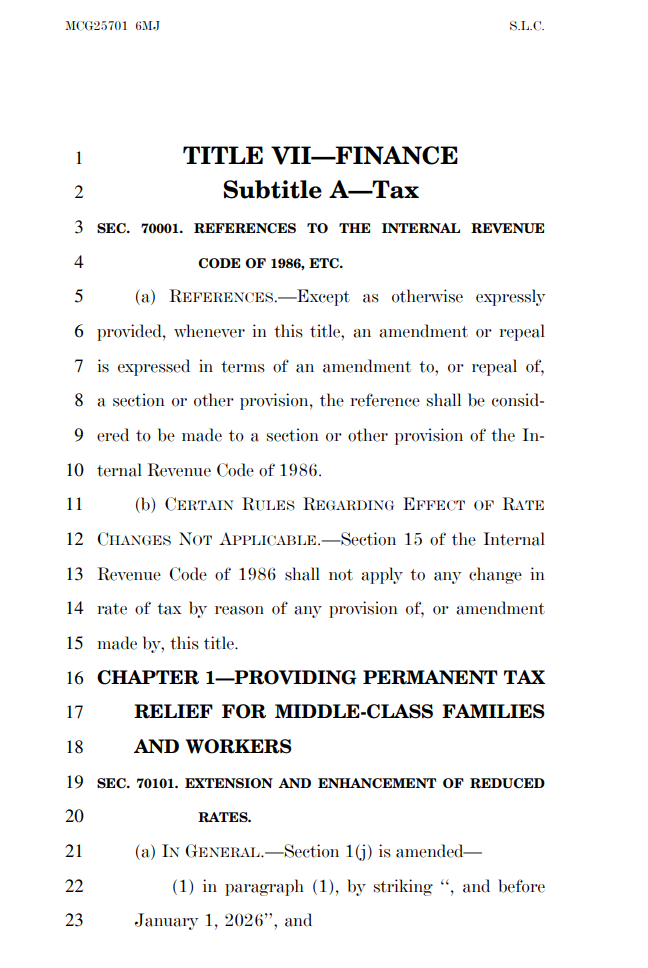
According to the Senate’s draft, the federal EV tax credit—commonly known as the Clean Vehicle Credit—will expire 180 days after the law officially comes into effect. Unlike the House version, which aimed to end subsidies for new cars by December 31, 2026, the Senate bill fast-tracks the expiration date, compressing the eligibility window to just six months. Moreover, under the House proposal, automakers that had already sold over 200,000 EVs (like Tesla and GM) would lose eligibility starting at the end of 2025. The Senate bill omits such phased approaches, instead issuing what critics are calling an “ultimatum” to both consumers and manufacturers.
Rob Stumpf from InsideEVs warns that this abrupt deadline could severely impact the U.S. EV market. As electric cars continue to carry a higher upfront price tag than internal combustion engine (ICE) vehicles, the sudden removal of financial incentives may discourage prospective buyers from making the switch to cleaner technology.
Leasing Loophole Ends Immediately
One of the most impactful aspects of the Senate proposal is the immediate closure of the “leasing loophole.” This previously allowed automakers to claim federal tax credits for leased vehicles even if those models didn’t meet the eligibility criteria—particularly in terms of local manufacturing requirements. This workaround had enabled foreign-assembled EVs to benefit indirectly from taxpayer subsidies. The Senate bill eliminates this practice the moment the legislation is enacted.
In contrast, the House bill had retained this workaround, while introducing a separate annual fee of $250 on EVs for road maintenance—an element the Senate chose not to include in its version.
Shift from Direct Subsidies to Indirect Tax Relief
Another major shift introduced by the Senate proposal is the replacement of direct EV purchase subsidies with a more indirect financial mechanism: allowing certain consumers to deduct interest paid on car loans from their taxable income. According to modeling by InsideEVs, under a $57,000 loan at 5% interest over 60 months, consumers might save more money through this new mechanism than they would under the current $7,500 Clean Vehicle Credit.
However, industry analysts argue that this form of tax relief is less appealing. Unlike the existing subsidy, which is applied at the point of purchase, the loan interest deduction only reduces the buyer’s tax burden gradually over time. This delay in financial benefits could significantly dampen the appeal of EVs, especially for price-sensitive buyers looking for immediate affordability.
Industry Impact and Political Fallout
Industry experts are raising alarm bells. Removing the Clean Vehicle Credit could trigger a short-term drop in EV sales and disrupt long-term investment plans for manufacturers. Companies such as Tesla, Ford, and Rivian—which rely heavily on the EV segment—may experience a sharp decline in demand. Smaller EV startups and new market entrants, already struggling with supply chain volatility and rising interest rates, are expected to be hit even harder.
Politically, the issue has deepened partisan divisions. Democratic lawmakers and environmental organizations argue that eliminating the tax credit sabotages U.S. efforts to achieve climate neutrality and reduce carbon emissions. They see the tax credit as a vital tool in accelerating the transition to sustainable transport.
Republicans, on the other hand, argue that federal subsidies distort free market competition. They contend that removing the tax credit is a necessary component of broader tax reform aimed at reducing government spending and simplifying the tax code.
The Clock Is Ticking
Though the bill has not yet been finalized, the Republican majority in both the Senate and the House makes its passage highly probable. Once the bill is signed by the President, the countdown begins: manufacturers and consumers will have only 180 days to act before the Clean Vehicle Credit is completely phased out.
This narrow window places enormous pressure on automakers to expedite production and delivery timelines, and on consumers to make purchasing decisions without delay. Dealerships may see a surge in demand for eligible EVs in the short term, followed by a sharp fall once the subsidies expire.
Industry leaders are urging policymakers to reconsider the accelerated timeline and to provide a more gradual transition. Some propose phasing out the credit based on vehicle MSRP or battery size, or introducing tiered eligibility for consumers based on income.
The current version of the Senate bill, however, makes no such accommodations. With no new direct subsidies proposed and indirect incentives offering limited immediate value, the American EV sector may soon face its most challenging policy environment in over a decade.