The automotive world is reeling from a devastating accident involving a Xiaomi SU7 electric vehicle, which occurred on the evening of March 29th on the Desong Expressway in China. The incident, which resulted in the tragic deaths of three young women, has ignited a firestorm of questions surrounding vehicle safety, battery technology, and Xiaomi’s response to the crisis. While investigations are ongoing, the initial aftermath and subsequent clarifications have revealed a complex situation demanding careful scrutiny.
The Incident and Initial Response
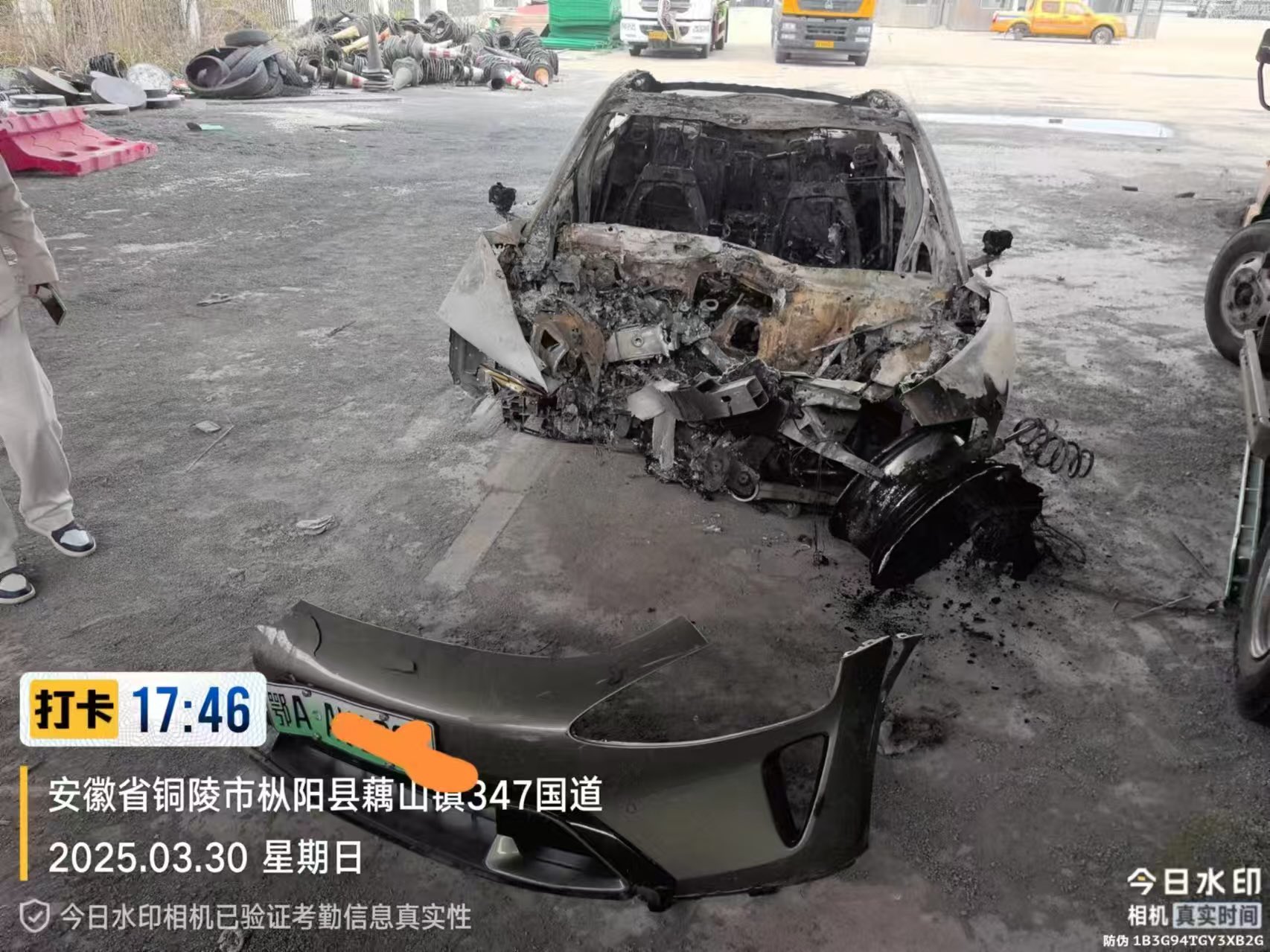
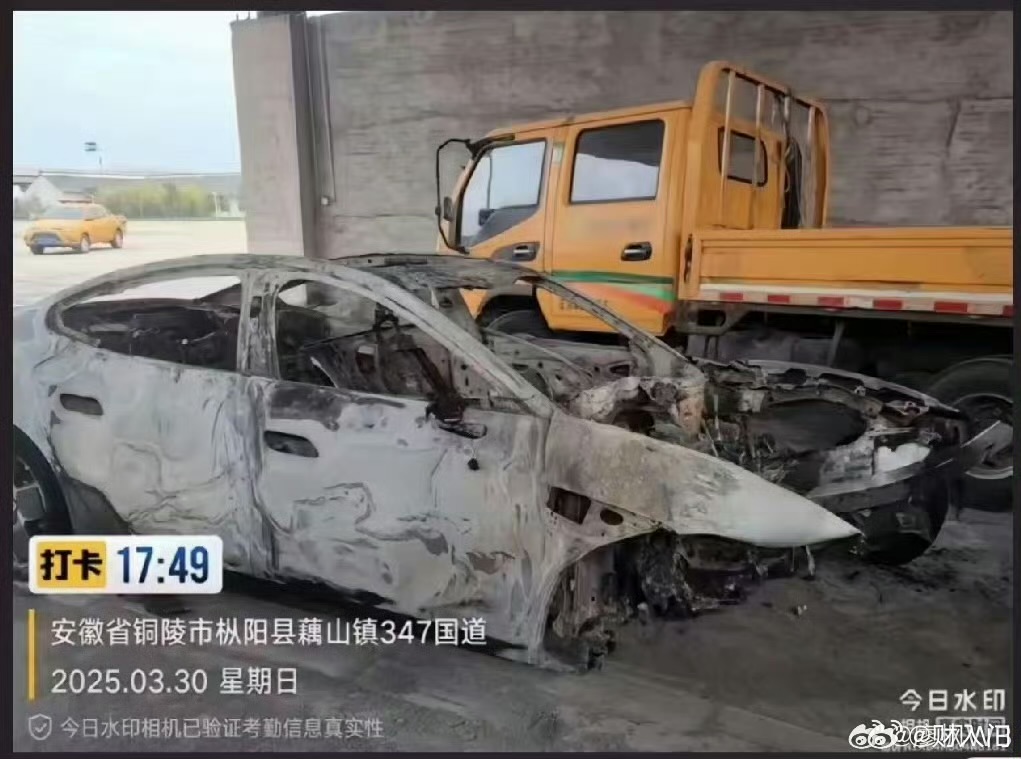
The accident occurred at 22:44 on March 29th, involving a standard version of the Xiaomi SU7. The vehicle collided with a concrete barrier, resulting in a fiery explosion. The immediate aftermath sparked widespread speculation, particularly online, with many users suggesting a “spontaneous combustion” scenario. Xiaomi’s initial response, released on April 1st, attempted to quell these rumors, stating that the fire was likely caused by the severe damage to the vehicle’s systems resulting from the forceful impact with the barrier. They emphasized that the investigation was ongoing and that they had not yet had access to the vehicle for a thorough analysis.
Xiaomi’s founder and CEO, Lei Jun, expressed profound sorrow over the tragedy, extending his deepest condolences to the victims’ families and pledging full cooperation with the police investigation. He established a dedicated task force to assist in the inquiry and committed to transparency in addressing public concerns. Lei Jun’s statement underscored Xiaomi’s commitment to accountability and a willingness to confront the difficult questions arising from the accident.
The Battery Question and Ningde Times’ Clarification
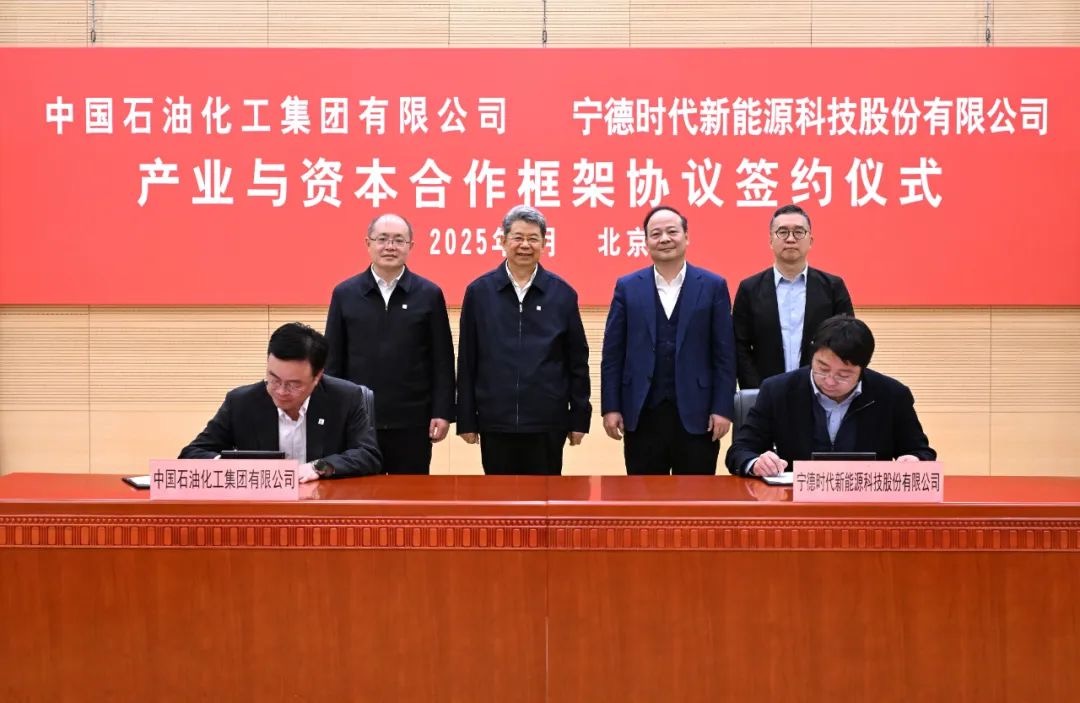
The most significant development following the initial reports was the clarification from Ningde Times (CATL), a leading global battery manufacturer. Responding to investor inquiries on the Shenzhen Stock Exchange’s interactive platform, CATL confirmed that the battery used in the involved Xiaomi SU7 was not supplied by them. This revelation immediately intensified the focus on identifying the battery manufacturer and assessing the potential implications for the vehicle’s safety profile.
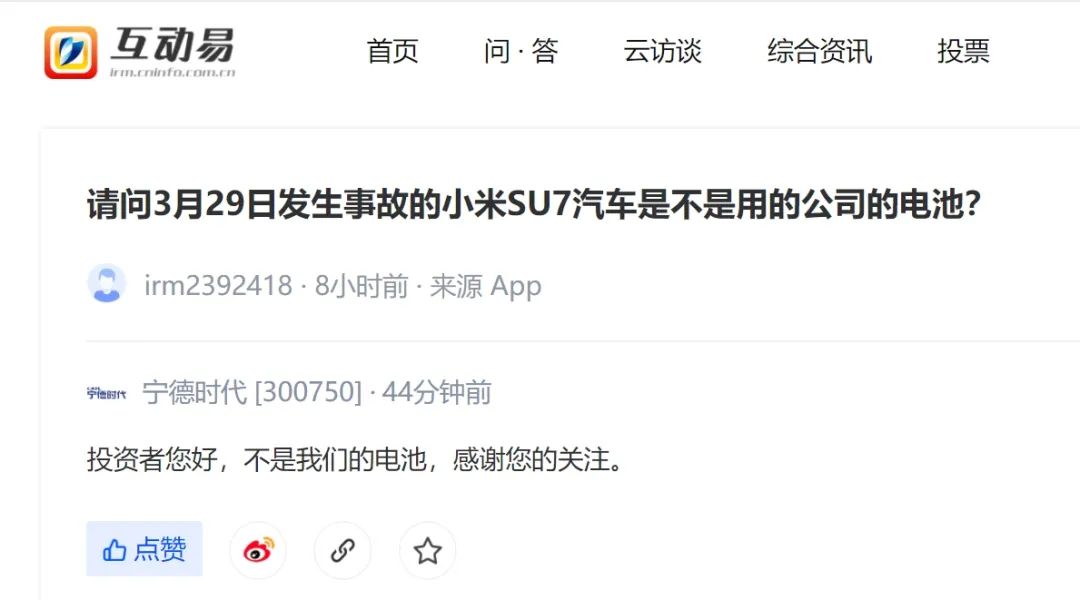
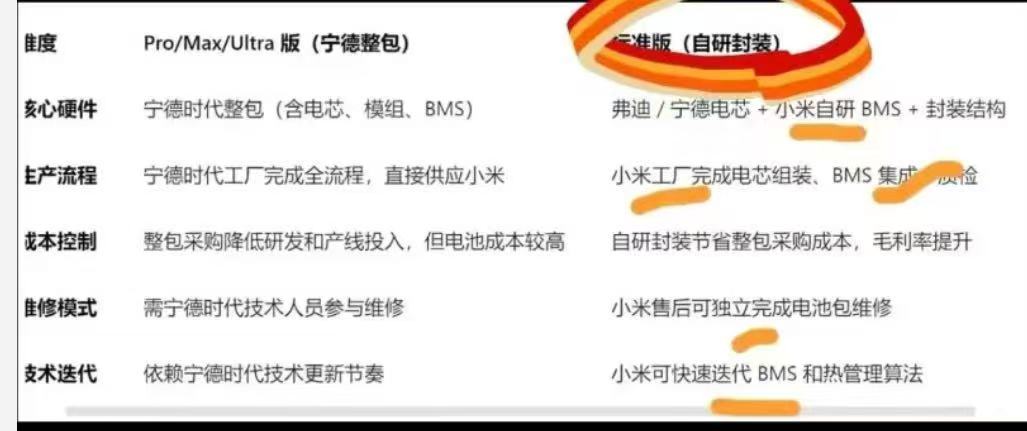
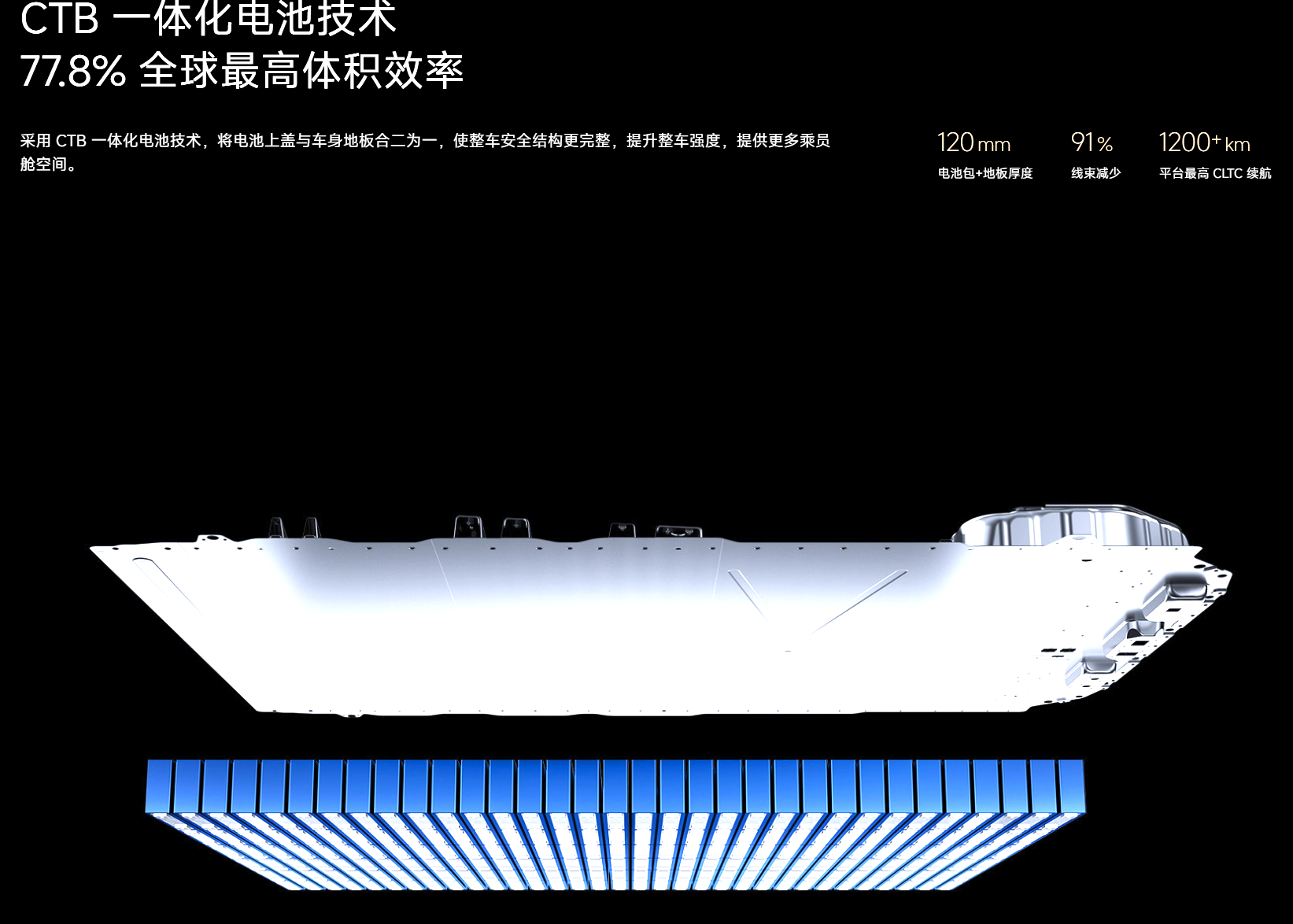
Xiaomi’s official website provides limited detail regarding the specific battery suppliers for each SU7 model. The standard version utilizes a 73.6 kWh lithium iron phosphate (LFP) battery, the Pro version a 94.3 kWh LFP battery, and the Max version a 101 kWh nickel-manganese-cobalt (NMC, or “ternary lithium”) battery. All versions incorporate Xiaomi’s proprietary Cell-to-Body (CTB) integrated battery technology.
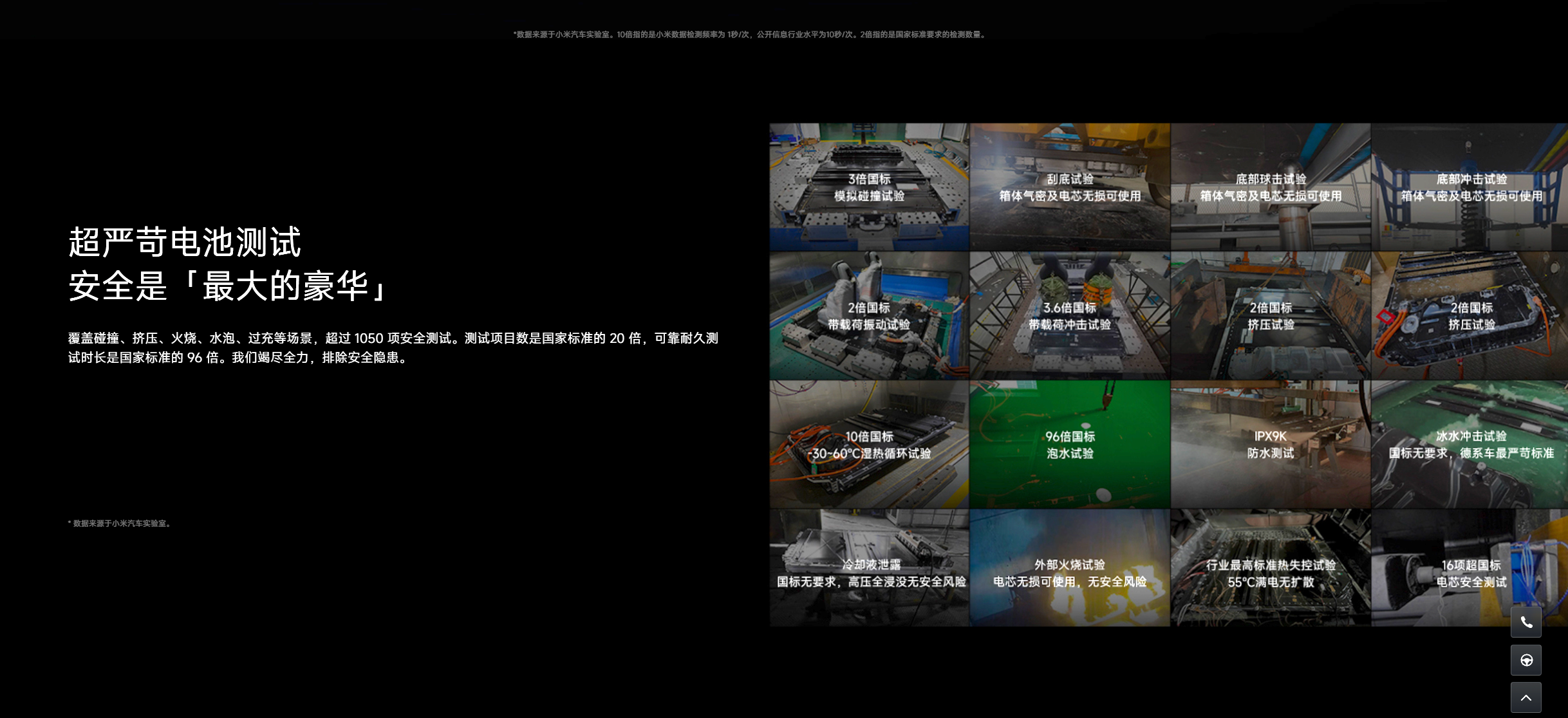
The CTB technology, as touted by Xiaomi, is designed to enhance structural integrity and safety by integrating the battery pack directly into the vehicle’s body structure. Xiaomi claims this design provides a high level of protection, including a 14-layer “hardcore physical protection” system designed to withstand extreme conditions, including high temperatures, vibrations, impacts, and submersion. However, the absence of a definitive answer regarding the battery supplier and the nature of the battery itself has fueled further speculation and concern.
Understanding Lithium-Ion Battery Safety and the Collision Scenario
Professor Zhu Xichan, director of the Automotive Safety Technology Research Institute at Tongji University, provided crucial context regarding the inherent risks associated with lithium-ion batteries. He explained that virtually all current electric vehicles utilize liquid electrolyte lithium-ion batteries, which require a separator membrane to prevent short circuits between the cathode and anode. When this membrane is compromised – through penetration, crushing, or other forms of damage – a short circuit can occur, leading to rapid thermal runaway and fire.
Professor Zhu emphasized that the severity of the collision, likely occurring at speeds approaching 100 km/h, would have been catastrophic for any vehicle, regardless of manufacturer. The force of the impact would have been sufficient to damage the battery pack and compromise the separator membrane, triggering the fire. This perspective underscores the fundamental challenges in ensuring the safety of lithium-ion batteries in high-speed collisions.
Xiaomi’s CTB Technology: A Claim Under Scrutiny
While Xiaomi’s CTB technology is presented as a significant safety innovation, the accident raises questions about its effectiveness in real-world collision scenarios. The fact that a fire erupted despite the purported structural protection suggests that the impact forces exceeded the battery pack’s ability to withstand damage. Independent analysis of the accident data and a detailed examination of the vehicle’s wreckage will be necessary to fully assess the performance of the CTB technology.
Moving Forward: Investigations, Transparency, and Industry-Wide Implications
The investigation into the Xiaomi SU7 accident is ongoing, and the findings will be critical in determining the root cause of the fire and identifying any contributing factors. Transparency from Xiaomi regarding the battery supplier, the battery’s specifications, and the results of their internal investigation will be essential in restoring public trust.
The incident also has broader implications for the electric vehicle industry. It highlights the ongoing challenges in ensuring the safety of lithium-ion batteries in high-speed collisions and underscores the need for continued research and development of safer battery technologies, including solid-state batteries and alternative battery chemistries. Furthermore, it reinforces the importance of rigorous safety testing and independent verification of vehicle safety systems.