The burgeoning market for advanced driver-assistance systems (ADAS) in China is facing a critical juncture. Following a series of incidents highlighting the potential for confusion and misuse of these technologies, the Ministry of Industry and Information Technology (MIIT) has issued a significant new directive aimed at curbing misleading advertising and reinforcing the importance of driver responsibility. The move comes at a time when consumer expectations surrounding autonomous driving capabilities are rapidly outpacing the reality of current technology, and the recent Xiaomi SU7 accident has only amplified the urgency of the situation.
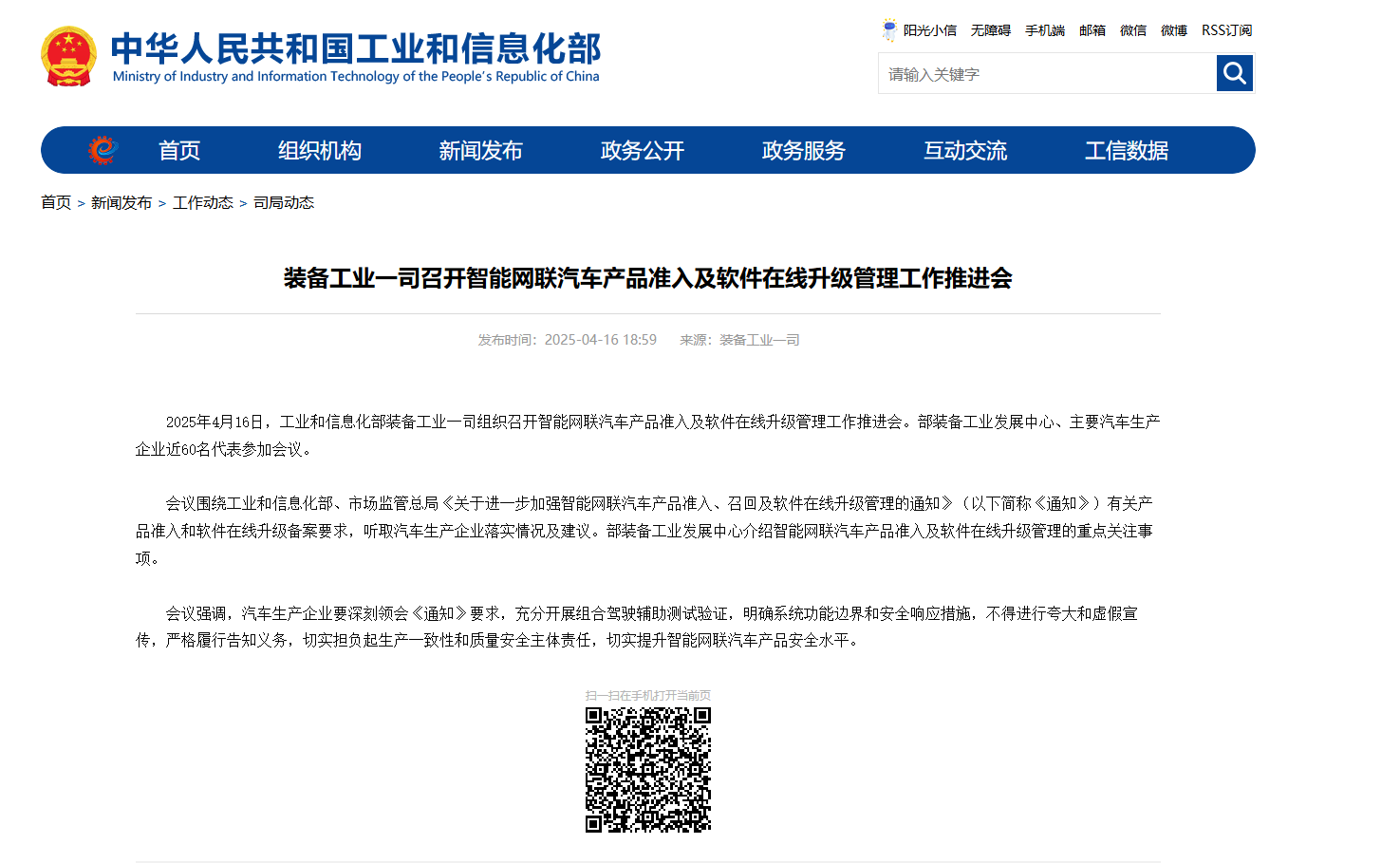
The new regulations, announced late last week, represent a clear signal from the government that safety must be the paramount concern in the development and deployment of ADAS. The core of the directive focuses on four key areas: rigorous testing and validation of ADAS features, clear definition of system limitations and safety protocols, strict prohibition of misleading advertising, and a heightened sense of responsibility for manufacturers regarding product quality and safety.
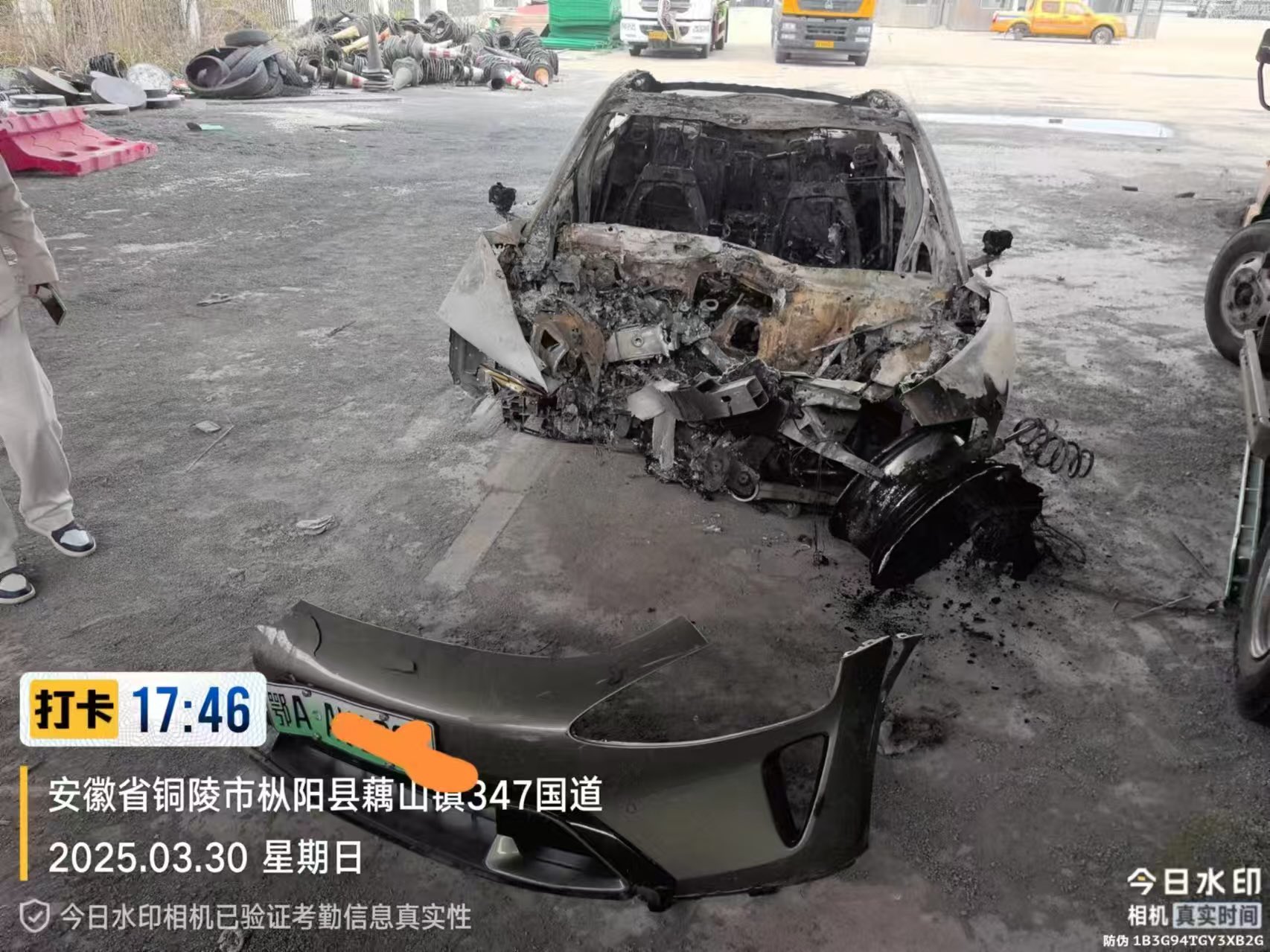
The timing of this announcement is particularly noteworthy. On March 29th, a high-profile incident involving Xiaomi’s newly launched SU7 electric sedan captured widespread attention. Reports indicate that the vehicle was involved in a collision on a highway, raising immediate questions about the role of its ADAS features and the driver’s awareness of the system’s capabilities. While the precise cause of the accident is still under investigation, the incident served as a stark reminder of the potential dangers arising from over-reliance on, or misunderstanding of, ADAS technology. The incident has fueled public debate and underscored the need for greater clarity and accountability within the industry.
The regulations build upon the foundation laid by the national standard GB/T 40429-2021, published in August 2021. This standard formally defines “driving automation” as “the behavior of a vehicle continuously performing part or all of the dynamic driving task in an automated manner.” Crucially, it categorizes ADAS systems into six levels, with levels 0-2 designated as “advanced driver-assistance systems” and levels 3-5 classified as “autonomous driving systems.” This distinction is vital, as it clarifies that current ADAS offerings, even those marketed with aggressive “L2+” branding, remain fundamentally reliant on human driver oversight.
Zhang Jinhua, Chairman of the China Automotive Engineering Society and Executive Director of the National Intelligent Connected Vehicle Innovation Center, has publicly endorsed the new MIIT regulations, emphasizing the need to address the proliferation of misleading claims and unsafe practices within the industry. He specifically cited the misuse of “L2+” terminology and the practice of demonstrating “hands-off” operation as examples of problematic behavior that the new rules are designed to curtail. He stressed that misleading advertising and the distribution of substandard products will not be tolerated and will be subject to legal repercussions.
The regulations reinforce the critical point that even advanced ADAS systems, often touted as offering a near-autonomous experience, are still classified as “assisted” systems. According to GB/T 40429-2021, drivers utilizing these systems must maintain constant vigilance, keeping their hands on the steering wheel and their eyes on the road. The system is designed to assist the driver, not replace them. The recent Xiaomi SU7 incident highlights the potential consequences of deviating from this fundamental principle.
To ensure effective implementation of the new regulations, Zhang Jinhua outlined several key actions. Firstly, he called for accelerated development and implementation of relevant standards, particularly those pertaining to the safety requirements for ADAS. This includes promoting the adoption of existing national standards and encouraging the development of industry-specific guidelines to address areas not yet covered by formal regulations. Secondly, he emphasized the importance of guiding manufacturers to adopt transparent and accurate advertising practices. This involves clearly communicating the capabilities and limitations of ADAS systems, avoiding misleading terminology, and ensuring that consumers have a realistic understanding of the technology. Finally, he stressed the need for comprehensive driver training programs to educate users on the proper operation and limitations of ADAS. The “hands-on, eyes-on” mantra must be ingrained in driver education.
The new regulations represent a significant step towards fostering a safer and more responsible ADAS ecosystem in China. While the technology holds immense potential to improve road safety and enhance the driving experience, it is crucial that its development and deployment are guided by a commitment to safety and transparency. The Xiaomi SU7 incident serves as a potent reminder of the risks associated with overpromising and underdelivering on autonomous driving capabilities. The MIIT’s actions demonstrate a clear intention to prevent future incidents and ensure that the benefits of ADAS are realized without compromising driver safety. The industry now faces the challenge of adapting to these new guidelines and embracing a culture of accountability and responsible innovation.