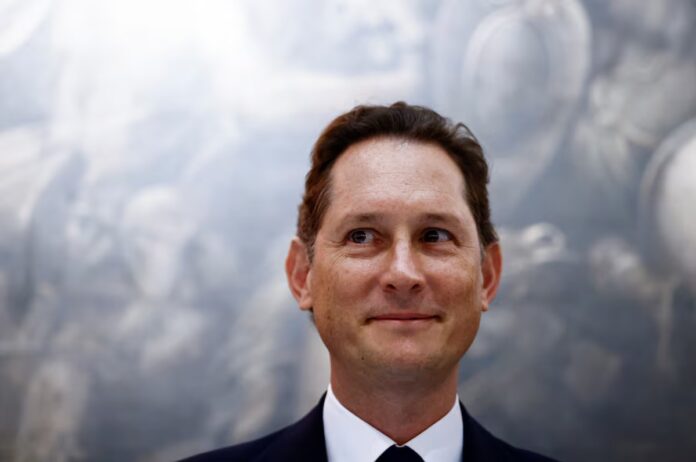
The automotive industry is facing a period of unprecedented turmoil, and Stellantis, the world’s fourth-largest automaker, is voicing its concerns loudly. Chairman John Elkann, acting as interim leadership while the company searches for a replacement for the departed CEO Carlos Tavares, delivered a stark warning at the group’s annual shareholders’ meeting this week. His message was clear: the current trajectory of escalating US tariffs and increasingly stringent European Union emissions regulations are creating a perilous environment that threatens the viability of both the American and European automotive sectors. This situation is exacerbated by the rapidly growing dominance of the Chinese automotive market, poised to surpass the combined strength of the US and EU for the first time.
Elkann’s comments highlight a complex web of challenges facing Stellantis, a company born from the 2021 merger of Fiat Chrysler and Peugeot maker PSA. The conglomerate’s diverse portfolio includes iconic brands like Jeep, Ram, Alfa Romeo, and Citroen, each carrying its own legacy and facing unique pressures in the evolving automotive landscape. The search for a new CEO, now narrowed to a shortlist of five candidates – two internal and three external – underscores the urgency of the situation and the need for decisive leadership to navigate these turbulent waters.
The US Tariff Threat: A Layered Problem
The Chairman’s critique of US trade policy focused on the escalating layers of tariffs impacting automotive imports. Beyond the already significant 25% rate on automotive imports, automakers are facing additional tariffs on aluminum, steel, and parts. This “layer upon layer” approach, as Elkann described it, significantly increases production costs and makes it difficult for American manufacturers to compete effectively, particularly against rivals from China who may benefit from different trade arrangements. While there’s a glimmer of hope stemming from President Donald Trump’s recent consideration of tariff relief for Mexico, Canada, and other countries, the overall situation remains precarious. The uncertainty surrounding trade policy creates instability and hinders long-term investment decisions. Automakers need predictability to plan production, manage supply chains, and develop new technologies.
EU Emissions Standards: An Unrealistic Path to Electrification
The challenges aren’t limited to the United States. Elkann also expressed serious concerns about the European Union’s CO2 regulations, characterizing them as imposing an “unrealistic path to electrification, disconnected from market realities.” The EU’s aggressive targets for reducing carbon emissions are pushing automakers towards electric vehicle production at a pace that may not be sustainable or aligned with consumer demand. The situation is further complicated by the inconsistent policies of European governments, which have frequently withdrawn purchase incentives for electric vehicles and failed to adequately invest in charging infrastructure. This lack of consistent support is slowing the transition to electric vehicles and creating a disconnect between regulatory mandates and consumer behavior. The rapid shift to electric vehicles requires significant investment in battery technology, charging infrastructure, and workforce training, and these investments need to be carefully managed to avoid economic disruption.
The Chinese Challenge: A Rising Automotive Power
Underlying both the tariff and emissions concerns is the looming presence of the Chinese automotive market. China’s rapid economic growth and technological advancements have propelled its automakers to the forefront of the global industry. The prospect of China surpassing the combined markets of the US and EU is a significant challenge for established automakers, requiring them to adapt quickly and innovate to maintain their competitive edge. Chinese automakers are increasingly exporting vehicles to other markets, offering competitive pricing and advanced technology, further intensifying the pressure on traditional manufacturers.
The CEO Search and the Future of Stellantis
The ongoing search for a new CEO is critical to Stellantis’ ability to address these challenges. The shortlist of five candidates, comprising both internal and external contenders, suggests a desire to find a leader with a clear vision for the company’s future. Antonio Filosa, the head of North American business, and Maxime Picat, the head of procurement, represent internal expertise, while the external candidates bring fresh perspectives and potentially new strategies. The final decision will be pivotal in shaping Stellantis’ response to the evolving automotive landscape.
Shareholder Compensation and Past Performance
The approval of a €35 million compensation package for the departing CEO Carlos Tavares, despite a recent decline in sales and profit and strained relationships with suppliers, dealers, and investors, highlights the complexities of corporate governance and executive compensation. While Tavares oversaw the merger of Fiat Chrysler and PSA, his departure signals a need for a new direction and a renewed focus on stakeholder engagement.