Solid-State Batteries Set to Revolutionize Flying Cars and EVs in China
Solid-state batteries are rapidly emerging as a cornerstone in the future of electric mobility — not only for traditional electric vehicles (EVs) but also for next-generation air mobility platforms such as electric vertical take-off and landing (eVTOL) aircraft. In China, major battery manufacturers are leading the global race to develop and commercialize this transformative technology, which offers greater energy density, improved safety, and ultimately lower costs than conventional lithium-ion batteries.
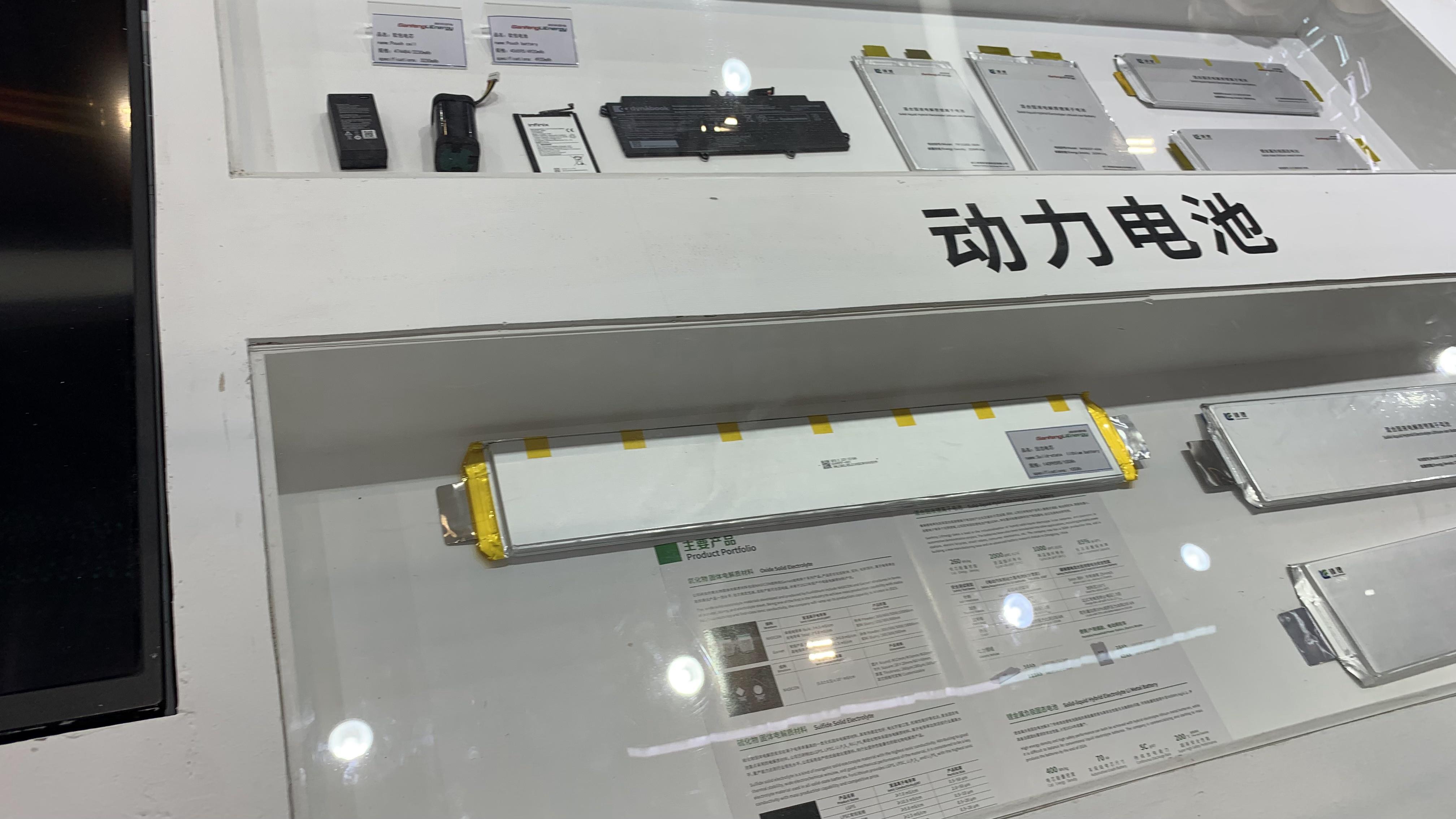
According to industry analysts and recent announcements from top battery firms, solid-state battery technology is expected to reach vehicle-scale deployment by 2027 and mass production by 2030. This shift is particularly crucial for sectors that demand high performance, such as autonomous flying vehicles, humanoid robotics, and long-range electric cars.
Gotion High-Tech Leads With Road Tests and Pilot Lines
Gotion High-Tech, a leading Chinese battery manufacturer, made headlines in May 2025 by launching road tests of its next-generation all-solid-state batteries. These tests mark a milestone following the successful completion of China’s first fully localized 0.2 GWh pilot production line for solid-state cells — a critical step toward scalable manufacturing.
In addition, Gotion unveiled its G-Yuan battery, which boasts an impressive energy density of 300 watt-hours per kilogram (Wh/kg). According to Gotion’s chief scientist Zhu Xingbao, the G-Yuan battery is specifically designed for high-demand scenarios, including eVTOL aircraft, electric vehicles, and humanoid robots. This combination of energy output and broad application potential places Gotion among the frontrunners in this evolving market.
Ganfeng Lithium Achieves 500 Wh/kg Lab Milestone
On May 22, Ganfeng Lithium announced that it had completed a full-chain layout for solid-state battery production, covering R&D, pilot production, and sample deployment. The company has already achieved 420 Wh/kg energy density in commercial products and successfully developed lab samples reaching 500 Wh/kg — an industry benchmark that could transform energy storage across multiple platforms.
These performance gains underscore the importance of vertical integration and sustained R&D investment in achieving breakthroughs. Ganfeng’s developments show that solid-state technology is no longer confined to academic labs; it is steadily transitioning into real-world applications.
CATL Aligns Aviation Safety With Breakthrough Performance
Contemporary Amperex Technology Co. Limited (CATL), the world’s largest EV battery maker, also reported progress in its solid-state battery initiatives. In mid-May, the company announced that it had developed solid-state batteries capable of reaching up to 500 Wh/kg energy density. These batteries are undergoing rigorous testing as part of CATL’s civilian electric passenger aircraft project, which is being developed to comply with stringent aviation safety and quality standards.
This is a strong indicator of CATL’s ambition to dominate not just the EV market, but also the air mobility segment, where battery performance is even more critical. With aircraft requiring significantly more energy and instant power compared to cars, CATL’s advancement could catalyze the commercialization of flying cars and eVTOL aircraft.
EHang Pushes eVTOL Envelope With Solid-State Integration
Autonomous aerial vehicle company EHang is already conducting flight tests using solid-state batteries. In a test conducted in November 2024, one of EHang’s eVTOL prototypes achieved a single flight duration of 48 minutes and 10 seconds, a 60–90% increase in operating time compared to previous models powered by traditional batteries.
These results validate the real-world applicability of solid-state batteries in airborne mobility and reinforce expectations that future eVTOL platforms will depend on solid-state technology to deliver acceptable range, efficiency, and safety.
Why eVTOLs Demand More From Batteries
Professor Huang Liang from Hunan University explained that low-altitude flying vehicles such as eVTOLs have more stringent battery requirements than ground-based EVs. These include:
- Energy density of 400–600 Wh/kg
- High instantaneous power output for takeoff and landing
- Rapid charging capabilities
- Long cycle life
To meet these requirements, batteries must not only provide consistent high performance but also remain lightweight and cost-effective — a challenging combination.
Currently, data shows that eVTOLs consume 65 kWh per 100 km, which is 3 to 5 times higher than EVs. Additionally, they require 10 to 15 times higher instantaneous power during vertical takeoff and landing maneuvers.
Most eVTOL manufacturers today demand battery specifications of at least 300 Wh/kg energy density and 500 charging cycles, while aiming for significantly better metrics in the near future.
The Cost Challenge and Scaling Path
Despite technical progress, cost remains a critical barrier. At present, eVTOL-grade batteries are 3 to 5 times more expensive than those used in EVs. This makes scale production essential to driving down costs and achieving broader adoption.
According to internal data from EHang, a 1% decrease in battery cost can increase operator profit by 3%, while a 1% improvement in lifespan adds another 2%. These numbers reveal how even small gains in battery economics can translate into significant commercial advantages for air mobility providers.
Advanced manufacturing techniques such as dry electrode coating and high-nickel ternary materials are being explored to reduce production complexity, lower material costs, and improve energy storage performance.
China’s Low-Altitude Economy Poised for Takeoff
The solid-state battery revolution is unfolding alongside a major transformation in China’s broader airspace economy. According to projections by the Civil Aviation Administration of China (CAAC), the country’s low-altitude economy will reach RMB 1.5 trillion (USD 208 billion) by 2025, and is set to double to RMB 3.5 trillion by 2035.
This includes not only eVTOLs but also cargo drones, autonomous air taxis, and related infrastructure. Solid-state batteries, with their higher energy output, greater thermal stability, and compact form factors, are widely seen as the key enabler of this vision.
Conclusion: China Emerges as Global Leader in Solid-State Battery Race
China’s leading battery firms — including Gotion High-Tech, CATL, and Ganfeng Lithium — are now at the forefront of a technological arms race to develop next-generation solid-state batteries. With energy densities climbing past 500 Wh/kg, and early flight test successes in eVTOL aircraft, these advancements are laying the foundation for the mass commercialization of urban air mobility and next-gen electric vehicles.
From smart roads to smart skies, the promise of solid-state battery technology is more tangible than ever. The next five years will determine not only the future of EVs but also whether flying cars finally take off — quite literally.