On September 30, 2025, QuantumScape Corporation, a global leader in solid-state battery technology, announced a strategic partnership agreement with materials science giant Corning Incorporated. The two companies will jointly develop ceramic separator manufacturing capabilities, marking a critical step toward large-scale industrialization of next-generation solid-state battery technology. On the day of the announcement, QuantumScape’s stock price surged over 12% in premarket trading, reaching its highest level in several months, as investors gave the collaboration their strong endorsement.
Strategic Alliance Building Solid-State Battery Ecosystem
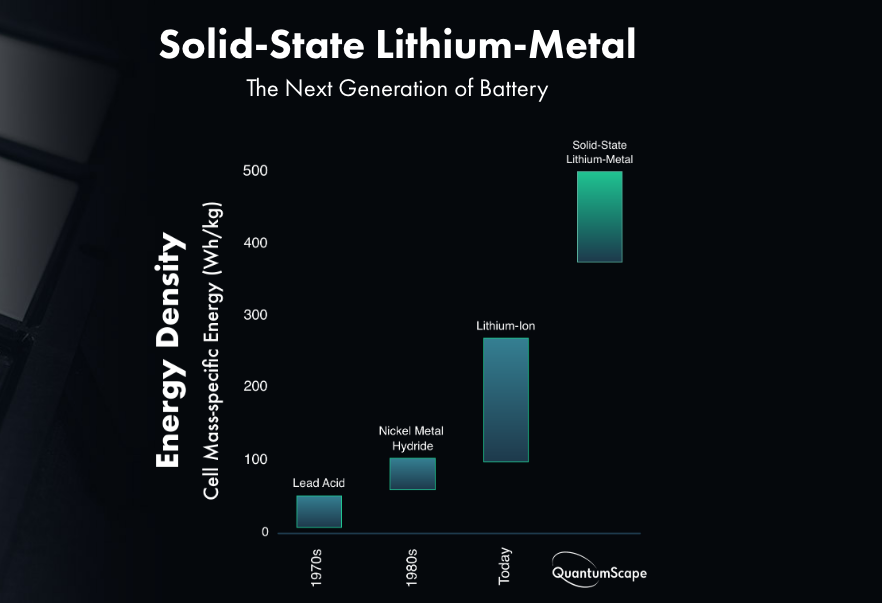
QuantumScape, a New York Stock Exchange-listed company, has long been dedicated to developing next-generation solid-state lithium-metal battery technology. Dr. Siva Sivaram, CEO and President of QuantumScape, stated: “Corning’s world-class capabilities in ceramics manufacturing makes it an ideal addition to the QS technology ecosystem. Together with our ecosystem partners, we’re building the foundation for scalable production of our high-performance solid-state batteries and furthering our mission to revolutionize energy storage.”
Corning Incorporated, with a 170-year history of innovation, is one of the world’s most influential innovators in glass, ceramics, and materials science. While the company is best known for its Gorilla Glass widely used in smartphones, it also possesses deep technical expertise in advanced ceramic materials manufacturing. Ron Verkleeren, Senior Vice President of Corning’s Emerging Innovations Group, commented: “QS and Corning are driven by a shared spirit of innovation in science and technology. We’re excited to collaborate with QS to help advance the future of battery technology.”
Ceramic Separators: The Core Breakthrough in Solid-State Batteries
Ceramic separators are a key component of QuantumScape’s solid-state battery technology, performing multiple critical functions in battery cells. First, they act as a solid electrolyte with sufficient ionic conductivity, replacing the liquid electrolyte found in traditional lithium-ion batteries. Second, ceramic separators serve as a mechanical barrier against lithium dendrites, which in conventional lithium-metal anodes can rapidly cause short circuits.
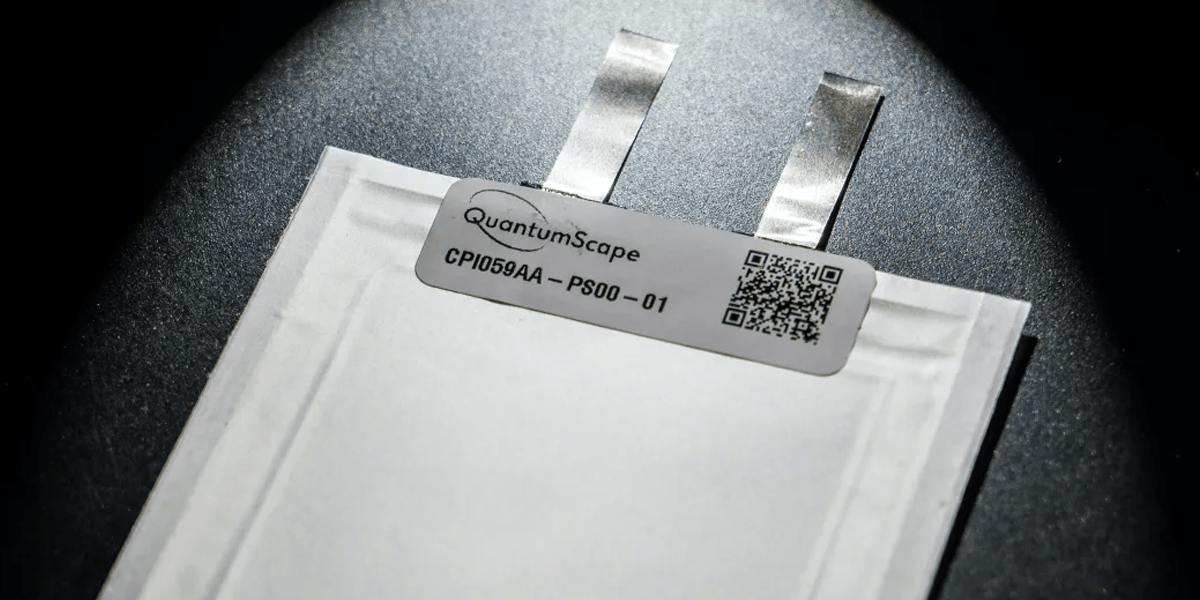
Unlike polymer separators, ceramic materials do not shrink or melt at high temperatures, significantly enhancing battery safety. Additionally, ceramic separators remain chemically stable against highly reactive electrode materials, enabling QuantumScape to use pure lithium-metal anodes. This dramatically increases energy density without sacrificing service life or safety. These technical advantages allow solid-state batteries to offer higher energy density, faster charging speeds, and superior safety compared to traditional lithium-ion batteries.
Cobra Process Achieves 25x Speed Breakthrough
In June 2025, QuantumScape announced a major milestone: its advanced Cobra ceramic separator production process had been successfully integrated into baseline cell production. The Cobra process forms the foundation of QuantumScape’s high-throughput, continuous-flow ceramic separator production platform, designed to enable faster, more energy-efficient production while reducing equipment footprint compared to earlier processes.
Compared to the previous-generation Raptor process, Cobra offers approximately a 25x improvement in heat treatment speed and occupies a fraction of the physical space per film start. These advantages are crucial for designing scalable gigafactory production lines. Tim Holme, QuantumScape’s Co-founder and CTO, stated: “Cobra is a step-change innovation in ceramic processing, enabling a major improvement in productivity compared to Raptor, which was already a considerable advancement compared to the previous generation. This advancement is central to bringing our high-performance solid-state battery platform to market at gigawatt scale.”
With Cobra integrated into baseline production, QuantumScape will continue to improve production speed, efficiency, and scalability, laying the groundwork for higher-volume B1 sample production. These production metrics are expected to further improve as the company introduces future iterations of Cobra.
Building a Complete Industrialization Partnership Network
The partnership with Corning represents an important component of QuantumScape’s industrialization ecosystem strategy. QuantumScape has already established a deep collaboration with PowerCo, the battery company of the Volkswagen Group, which has committed nearly $300 million in investment. In July 2025, the two parties expanded their strategic collaboration and licensing arrangement, aimed at accelerating the QSE-5 battery development pilot line in San Jose, marking a major step forward in solid-state battery technology industrialization.
At IAA Mobility in Munich in September 2025, QuantumScape and PowerCo jointly presented a striking technical demonstration: a Ducati V21L motorcycle equipped with QSE-5 cells produced using the Cobra process ran on-stage, showcasing approximately 844 Wh/L energy density, fast charging capability from 10% to 80% in about 12 minutes, and 10C continuous discharge capability.
Additionally, QuantumScape is exploring ceramics collaboration with Murata Manufacturing, a Japanese electronics and ceramics specialist. This series of partnerships demonstrates that QuantumScape is pursuing a strategy of aligning with industrial partners who possess expertise in scaling advanced materials, addressing one of the company’s biggest challenges: bridging the gap between laboratory results and large-scale commercial production.
Solid-State Battery Commercialization Prospects and Challenges
Solid-state battery technology has long been viewed as a potential successor to lithium-ion batteries, but scaling separator manufacturing has proven difficult. By collaborating with a company that has deep expertise in ceramics and large-scale production, QuantumScape may be able to accelerate its path toward commercialization.
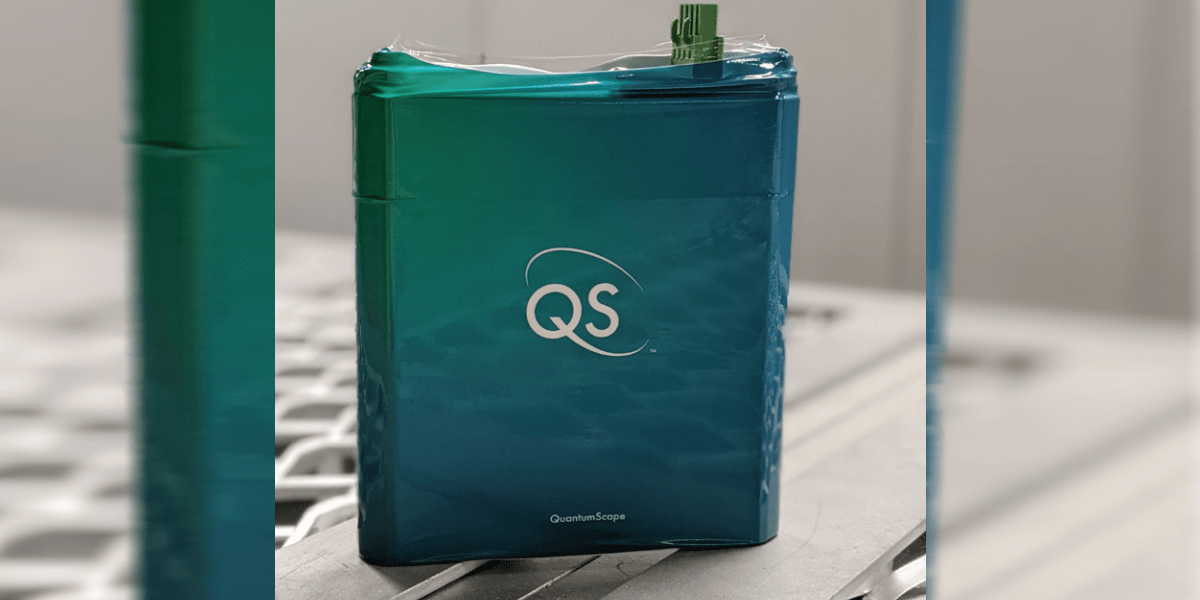
Despite these advances, technical uncertainties remain. Long-term cycle life at large scale is still under validation, and battery cell yield rates as well as integration of cells into battery packs with thermal management, mechanical, and safety constraints all pose risks. Scaling from prototype or pilot scale to mass manufacturing typically presents cost, quality, and reliability challenges that must be overcome before widespread commercialization.
QuantumScape’s latest financial report shows that the company continues to operate at a significant deficit while preserving a substantial cash buffer. According to its Q2 2025 report, the company has sufficient financial runway to continue solid-state battery development through 2029. This provides ample time to overcome technical and manufacturing challenges.
Industry Competition and Market Opportunities
Competition is intensifying in the global race for next-generation batteries. Companies such as Solid Power, Toyota, and CATL are all pursuing their own solid-state technologies. For QuantumScape, maintaining its pace of development while proving that its processes can scale efficiently will be key to winning trust from automakers and investors.
Demand for electric vehicle batteries continues to grow rapidly, with automakers increasingly investing in next-generation battery technologies to meet stricter emissions standards and consumer demand for longer range. For QuantumScape, success depends on whether pilot production lines like QSE-5 and associated materials like ceramic separators can scale reliably. Execution delays or supplier constraints could slow progress.
Analysts believe the partnership agreement with Corning marks significant progress for QuantumScape, but the company’s future will depend on execution. Investors and industry observers will be watching closely for updates on separator production yields, cost improvements, and timelines for pilot-scale deliveries to automakers. Any progress toward higher-volume manufacturing or confirmed partnerships with vehicle manufacturers would serve as important validation of its technology.
Near-term catalysts include further data releases on the Cobra separator process and indications of how quickly Corning’s involvement can improve manufacturing efficiency. Longer term, the challenge lies in balancing technological innovation with economic viability, as solid-state batteries must compete not only on performance but also on cost against rapidly advancing lithium-ion alternatives.
Conclusion
The partnership between QuantumScape and Corning represents a critical step on the path to solid-state battery technology industrialization. By combining QuantumScape’s battery technology breakthroughs with Corning’s world-class capabilities in advanced materials manufacturing, the two companies are poised to jointly address the industry’s biggest challenge: scaling solid-state battery production. With the successful application of the Cobra process and the continuous expansion of its partner network, QuantumScape is transforming solid-state batteries from a laboratory concept into a commercially viable reality. This is not only critical for QuantumScape’s own development but could also bring revolutionary changes to the entire electric vehicle industry.