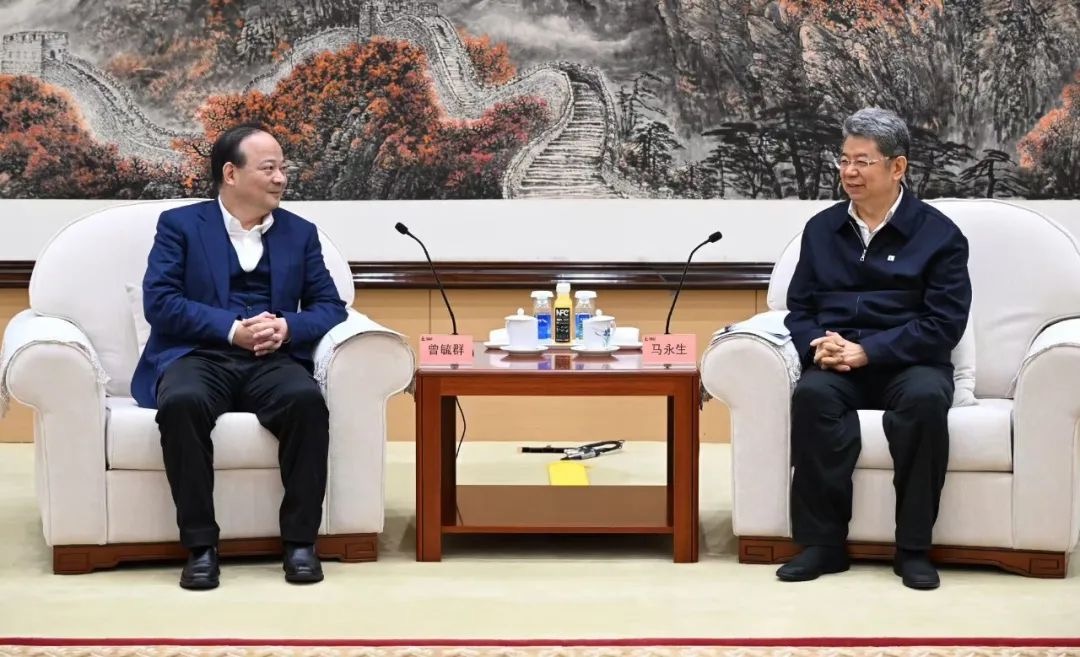
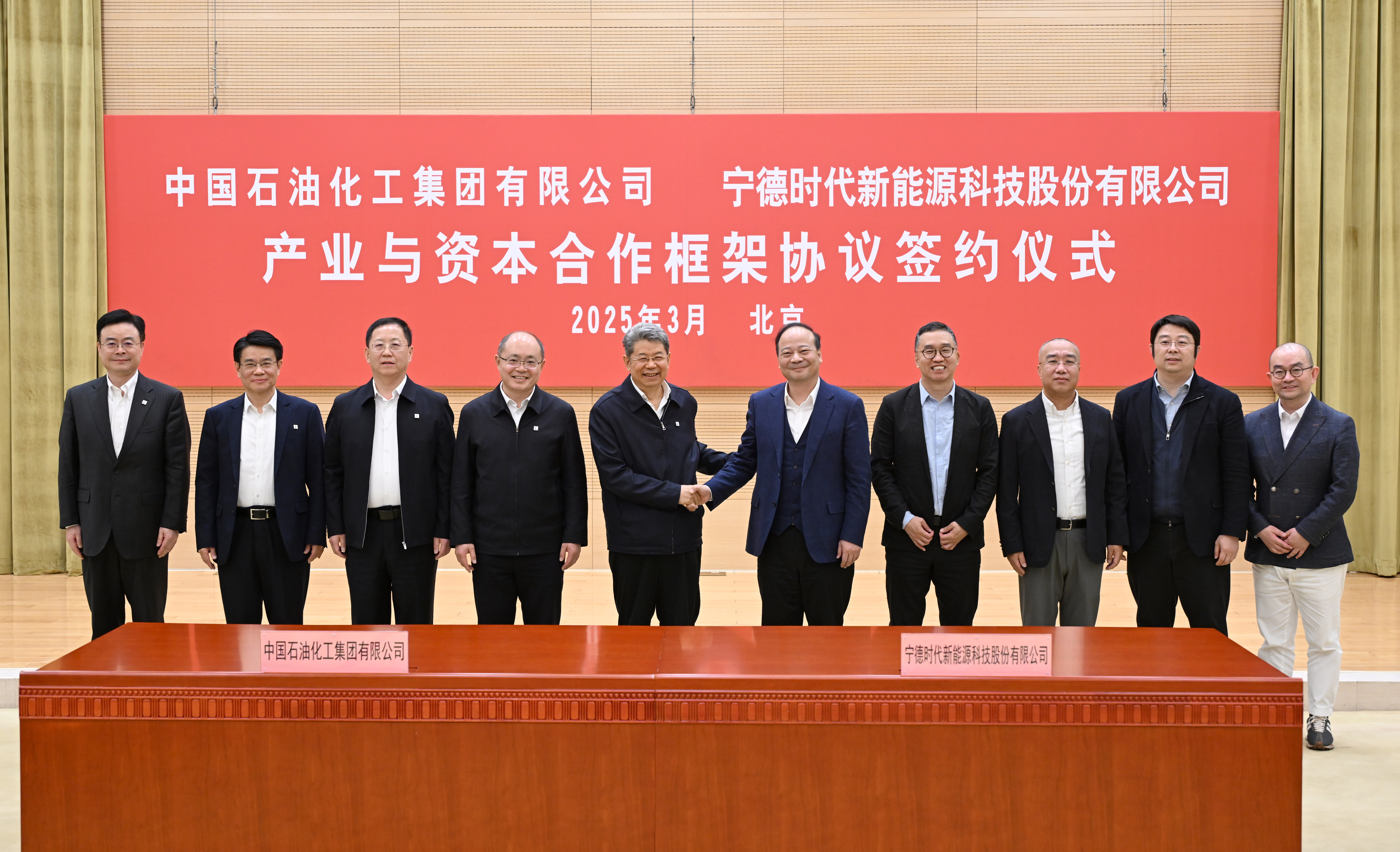
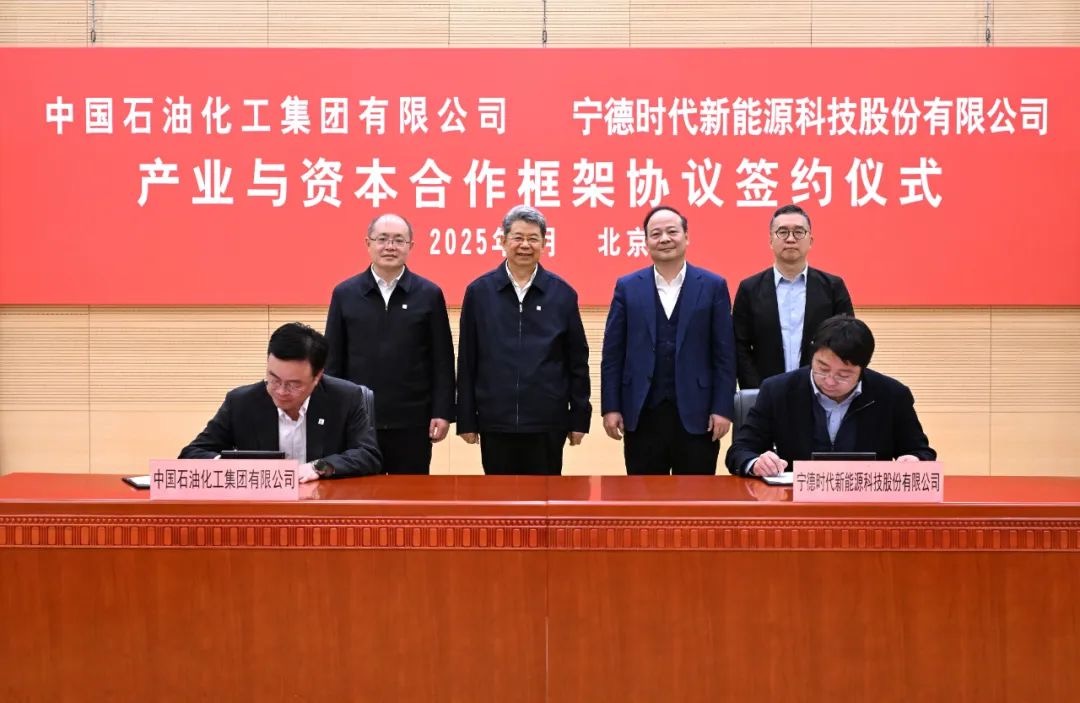
The energy landscape is undergoing a profound transformation, driven by the urgent need for decarbonization and the rise of electric vehicles. In a landmark move signaling a significant shift in this evolution, China Petroleum & Chemical Corporation (Sinopec), one of the world’s largest oil and gas companies, has partnered with Contemporary Amperex Technology Co. Limited (CATL), the global leader in lithium-ion battery technology. This strategic alliance, formalized through a framework agreement, aims to revolutionize the nation’s energy infrastructure by transforming traditional gas stations into comprehensive energy hubs, incorporating swappable battery stations and advanced energy solutions. This collaboration isn’t just about accelerating the adoption of electric vehicles; it’s about fundamentally reshaping how energy is produced, distributed, and consumed in China, and potentially setting a global precedent for sustainable energy transitions.
The Genesis of a Partnership: Reimagining Gas Stations for the Electric Age
For decades, gas stations have been synonymous with fossil fuels. However, with the burgeoning electric vehicle (EV) market and the imperative to achieve China’s ambitious “dual carbon” goals (peak carbon emissions before 2030 and carbon neutrality by 2060), the traditional gas station model is facing obsolescence. Sinopec, recognizing this reality, has embarked on a strategic pivot, seeking innovative ways to adapt its extensive network of stations to meet the evolving energy needs of the nation. CATL, with its cutting-edge battery technology and expertise in battery swapping solutions, emerged as the ideal partner for this ambitious transformation.
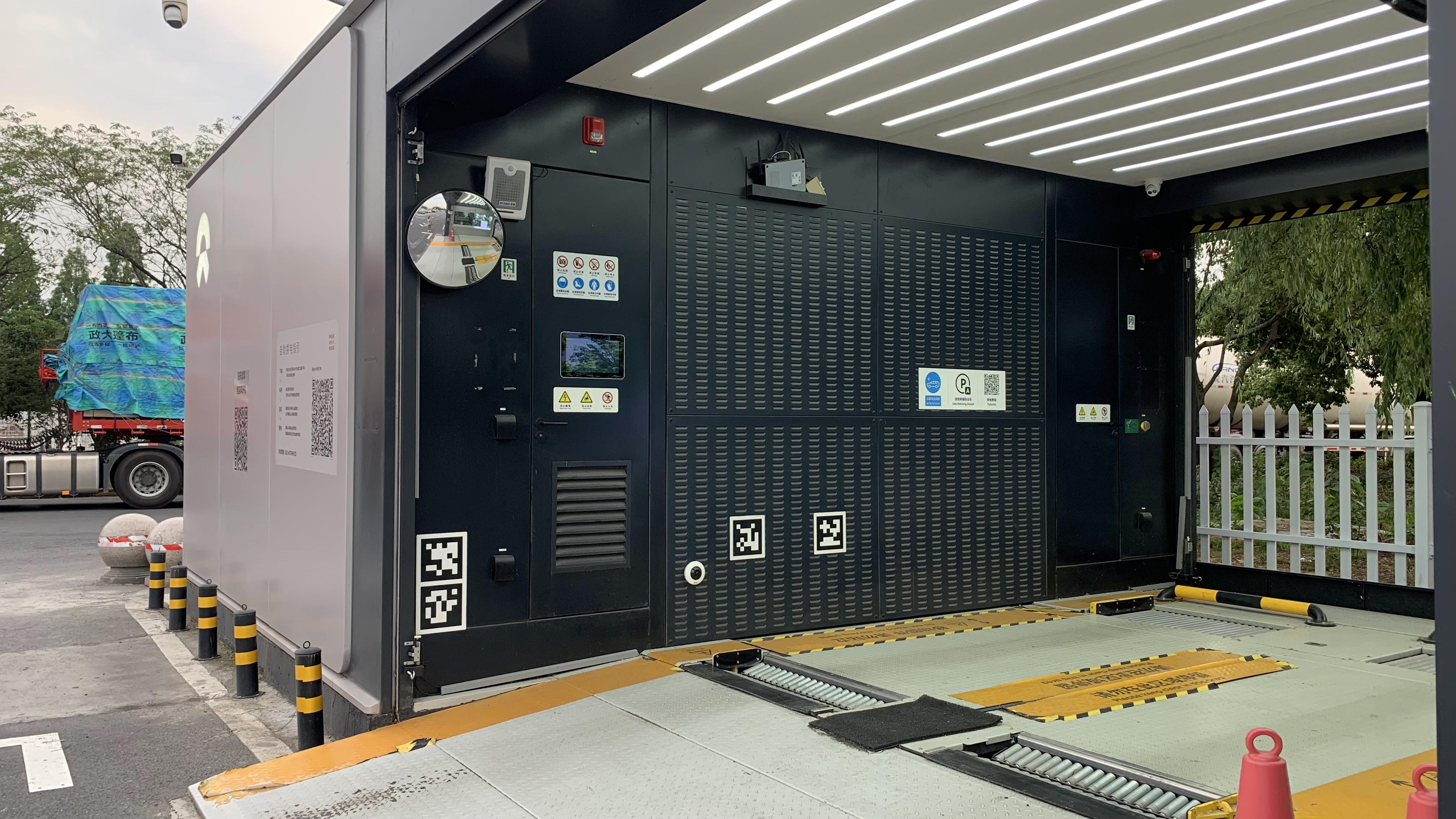
The core of this partnership revolves around the construction of a nationwide network of swappable battery stations, leveraging Sinopec’s existing infrastructure and CATL’s technological prowess. The plan is ambitious: to build no fewer than 500 swappable battery stations this year, with a long-term goal of expanding to a staggering 10,000 stations across the country. This initiative goes beyond simply providing a convenient charging option for EVs; it represents a complete overhaul of the energy service model, integrating battery swapping with other energy solutions, such as solar power generation, energy storage, and hydrogen refueling.
CATL’s Technological Edge: Chocolate and Qijian Solutions
CATL’s contribution to this partnership is multifaceted, built upon its innovative battery swapping technologies. The “Chocolate” battery swapping solution, featuring standardized 20# and 25# battery packs, mirrors the gasoline grades (92# and 95#) and offers a flexible, on-demand energy service tailored to individual driver needs. This approach addresses a key barrier to EV adoption – range anxiety – by providing a quick and convenient energy replenishment option.
Furthermore, CATL’s “Qijian” battery swapping solution, specifically designed for commercial vehicles, is a game-changer for the logistics sector. This standardized platform enables seamless battery swapping for various electric truck models from different manufacturers, significantly reducing refueling time from hours to a mere five minutes. This efficiency boost is crucial for maintaining operational productivity and reducing downtime for commercial fleets.

Sinopec’s Strategic Advantage: Leveraging Existing Infrastructure
Sinopec’s contribution to this partnership is equally significant. The company possesses an unparalleled network of gas stations strategically located across China, providing a readily available foundation for the deployment of swappable battery stations. This existing infrastructure eliminates the need for extensive new construction, significantly reducing costs and accelerating the rollout of the nationwide network. Moreover, Sinopec’s expertise in energy distribution and its established relationships with automotive manufacturers and logistics companies provide a crucial advantage in navigating the complexities of this transformative project.
The “gas station + battery swapping station” hybrid model is a particularly compelling aspect of this collaboration. By integrating battery swapping capabilities into existing gas stations, Sinopec can dramatically reduce the time required for electric vehicle replenishment, bringing it closer to the convenience of traditional refueling.
Beyond Business: A Catalyst for Sustainable Energy Transition
The Sinopec-CATL partnership transcends mere commercial interests. It represents a commitment to a more sustainable energy future, aligning with China’s national goals for carbon neutrality. The integration of renewable energy sources, such as solar power, into these comprehensive energy hubs further reduces reliance on fossil fuels and minimizes carbon emissions.
Moreover, these swappable battery stations, acting as distributed energy storage nodes, can actively participate in grid stabilization and peak shaving, enhancing the resilience and efficiency of the power grid. The ability to absorb intermittent renewable energy sources like solar and wind power is a critical component of a reliable and sustainable energy system.