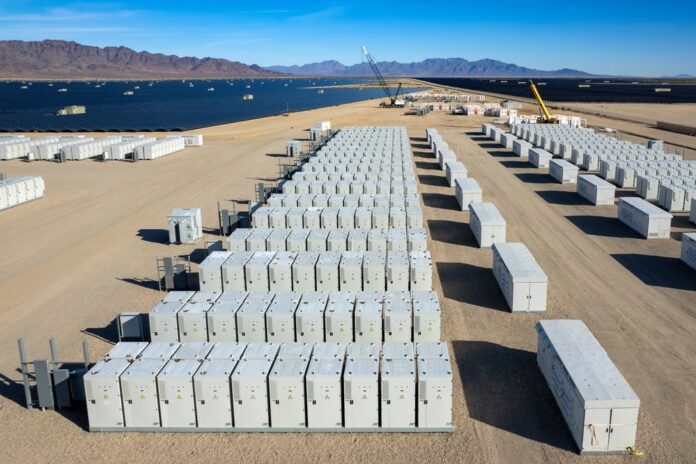
The UK is making another bold move in its quest to establish a robust battery manufacturing industry with the launch of Volklectric, a new venture led by Phil Popham, former CEO of Lotus. This ambitious project aims to build a £1 billion gigafactory in Coventry, marking the latest attempt to develop a homegrown battery manufacturer following the failures of Britishvolt and AMTE Power.
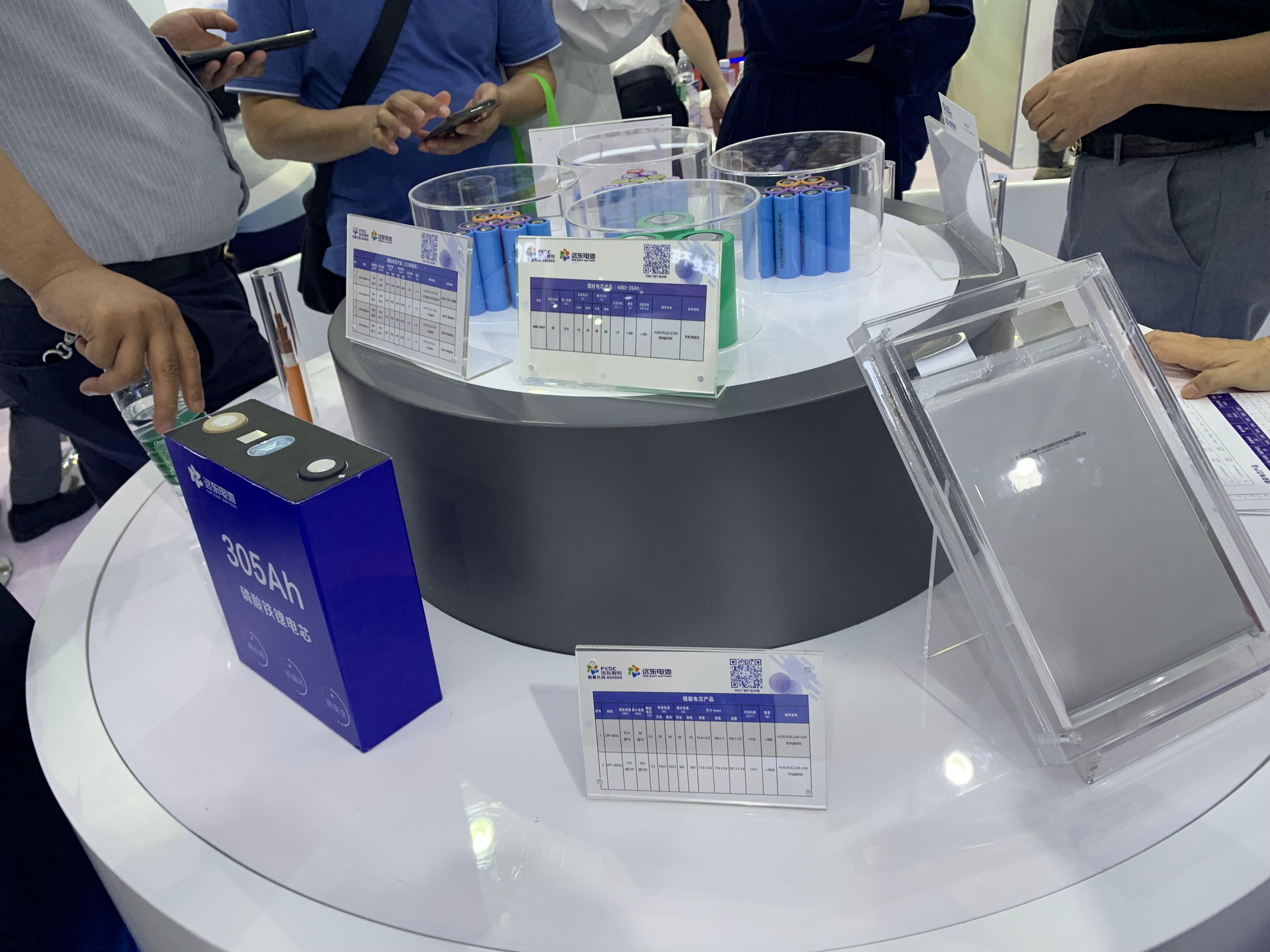
A Strategic Partnership with Far East Battery
Volklectric has signed a licensing agreement with China’s Far East Battery to manufacture their proven designs at the UK Battery Innovation Centre (UKBIC) in Coventry. This pragmatic approach is designed to avoid the pitfalls that have plagued other UK battery manufacturers, who attempted to develop entirely new chemistries and supply chains from scratch.
Popham, a seasoned automotive executive with a background at Jaguar Land Rover, explained that the company’s strategy is focused on minimizing risk by leveraging existing technologies. “There’s been enough failures,” he said. “And I think some of those failures are due to the complexity, the scale of investment and the time that’s involved in creating your own chemistry, your own mechanical engineering, building the factory, building up your own supply base.”
A Modest Investment with Big Ambitions
Volklectric has raised around £20 million so far and plans to raise an additional £100 million to scale up production before committing to the £1 billion investment needed for the 10 GWh gigafactory. This contrasts sharply with the huge sums poured into failed projects like Britishvolt, which had hoped to establish itself as a major player but went into administration in 2023.
Popham emphasized that while government support would be welcome, the company’s plans are not predicated on it. “Our approach is very much more pragmatic,” he said.
Addressing Industry Concerns
The company aims to address growing concerns among manufacturers about battery supply chain resilience, rules of origin and tariffs. Potential customers have expressed long-term worries about supply security, which Popham believes can be mitigated by establishing a UK-based manufacturing capability.
Volklectric’s strategy is to initially produce energy cells before moving on to higher-performance power cells suitable for sports cars and aerospace applications. This focus on performance could give the company a competitive edge in premium markets.
The Bigger Picture: UK Battery Manufacturing
The UK currently has only one operational gigafactory, an AESC plant supporting Nissan production in Sunderland with just 1.8 GWh capacity. By 2040, analysts estimate that Britain will need 200 GWh of battery capacity to meet demand.
In addition to the Volklectric project, plans are underway for a second AESC facility with 15.8 GWh capacity and a 40 GWh Jaguar Land Rover factory. Together, these projects could help bridge the gap between current production levels and future needs.
Conclusion: A Pragmatic Approach to Success
While the UK’s previous attempts at building a battery manufacturing industry have encountered significant challenges, Volklectric’s pragmatic approach offers hope for future success. By partnering with an established player like Far East Battery and focusing on proven technologies, Popham and his team aim to build a resilient supply chain that meets the growing demand for high-performance batteries in key sectors.
With careful execution and continued investment, Volklectric could become a cornerstone of the UK’s push to establish itself as a leader in clean energy technology. Time will tell if this latest effort finally delivers on the promise of a thriving battery manufacturing sector in the UK.