In recent years, Tesla has been at the forefront of driving the development of sustainable energy. With its innovative technologies and products, the company is leading the transformation of the energy industry. I am eagerly looking forward to the future where Tesla Energy Day will be held.
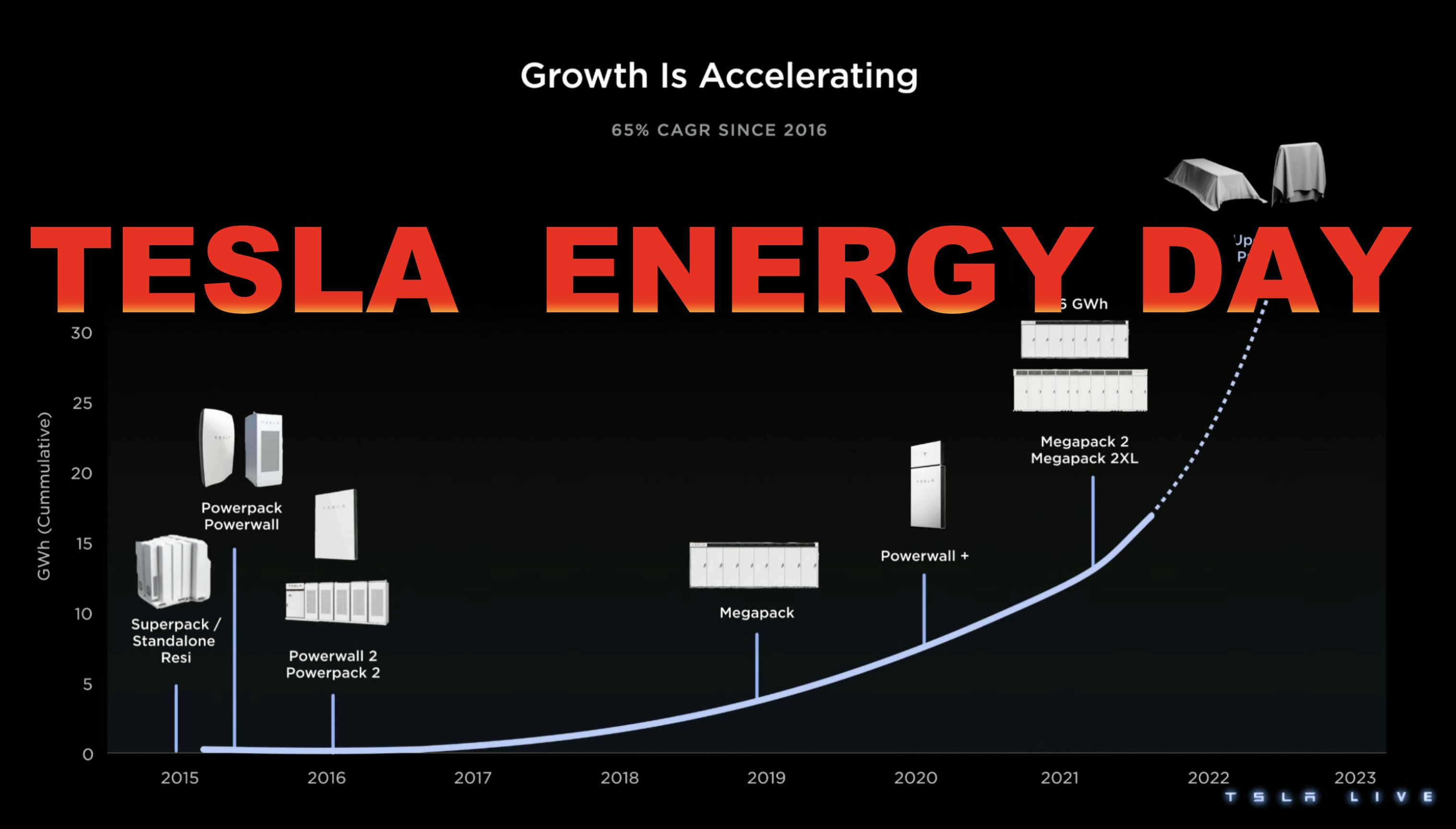
One of the key goals for Tesla in the long term is to achieve 1TWh in energy storage. This ambitious target demonstrates the company’s commitment to revolutionizing the way we store and utilize energy. Prior to the opening of the Larthrop Megapack plant, increasing the supply of storage products was a challenging task. However, Tesla has made significant progress in this area. Over the past four years, they have quadrupled the speed of installing megapack projects while reducing the required workforce by three times. This remarkable achievement highlights Tesla’s dedication to improving efficiency and scalability in energy storage.
In addition to energy storage hardware, Tesla also operates energy software to support its energy products. The integration of hardware and software allows for a more comprehensive and efficient energy management system. Tesla’s energy software plays a crucial role in optimizing the performance of its energy hardware in 65 countries worldwide. With gigawatt-scale management, Tesla continues to enhance the performance and reliability of its energy products, ensuring they meet the demands of a rapidly evolving energy landscape.
One of the notable initiatives by Tesla is the development of virtual power plants through Powerwall and Megapack. These virtual power plants have the potential to revolutionize the way we generate and distribute energy. By connecting Powerwall and Megapack systems, Tesla enables homeowners and businesses to become active participants in the energy market. This decentralized approach to energy generation and storage has significant implications for the future of sustainable energy.
Moreover, Tesla’s commitment to vertical integration is commendable. By integrating both hardware and software, the company creates a seamless and holistic approach to sustainable energy. This integration allows for better control, optimization, and management of energy systems, ultimately leading to increased efficiency and reduced environmental impact.
Looking ahead, the future of energy software within Tesla’s ecosystem seems promising. Technologies such as Autobeaders, Opticasters, and Microgrid Controllers are expected to play even greater roles in shaping the energy landscape. These advancements will further enhance the performance, reliability, and flexibility of Tesla’s energy products, enabling a more resilient and sustainable energy infrastructure.
In conclusion, the prospect of a Tesla Energy Day is truly exciting. It would provide a platform for Tesla to showcase its achievements, future plans, and technological advancements in the energy sector. With its focus on energy storage, software integration, and the development of virtual power plants, Tesla is leading the way towards a more sustainable and efficient energy future.