October 10, Los Angeles – Tesla has officially unveiled its highly anticipated Robotaxi Cybercab at the “We, Robot” event hosted at Warner Bros. Studios in Los Angeles. This fully autonomous vehicle promises to revolutionize passenger travel, with Tesla CEO Elon Musk announcing that the Cybercab will enter production by 2026 and carry a price tag below $30,000. Designed with the future of transportation in mind, the Cybercab is poised to become a cornerstone of autonomous ride-hailing services, bringing the convenience and cost-effectiveness of driverless technology to consumers and businesses alike.
A Futuristic Design Rooted in Cybertruck Aesthetics
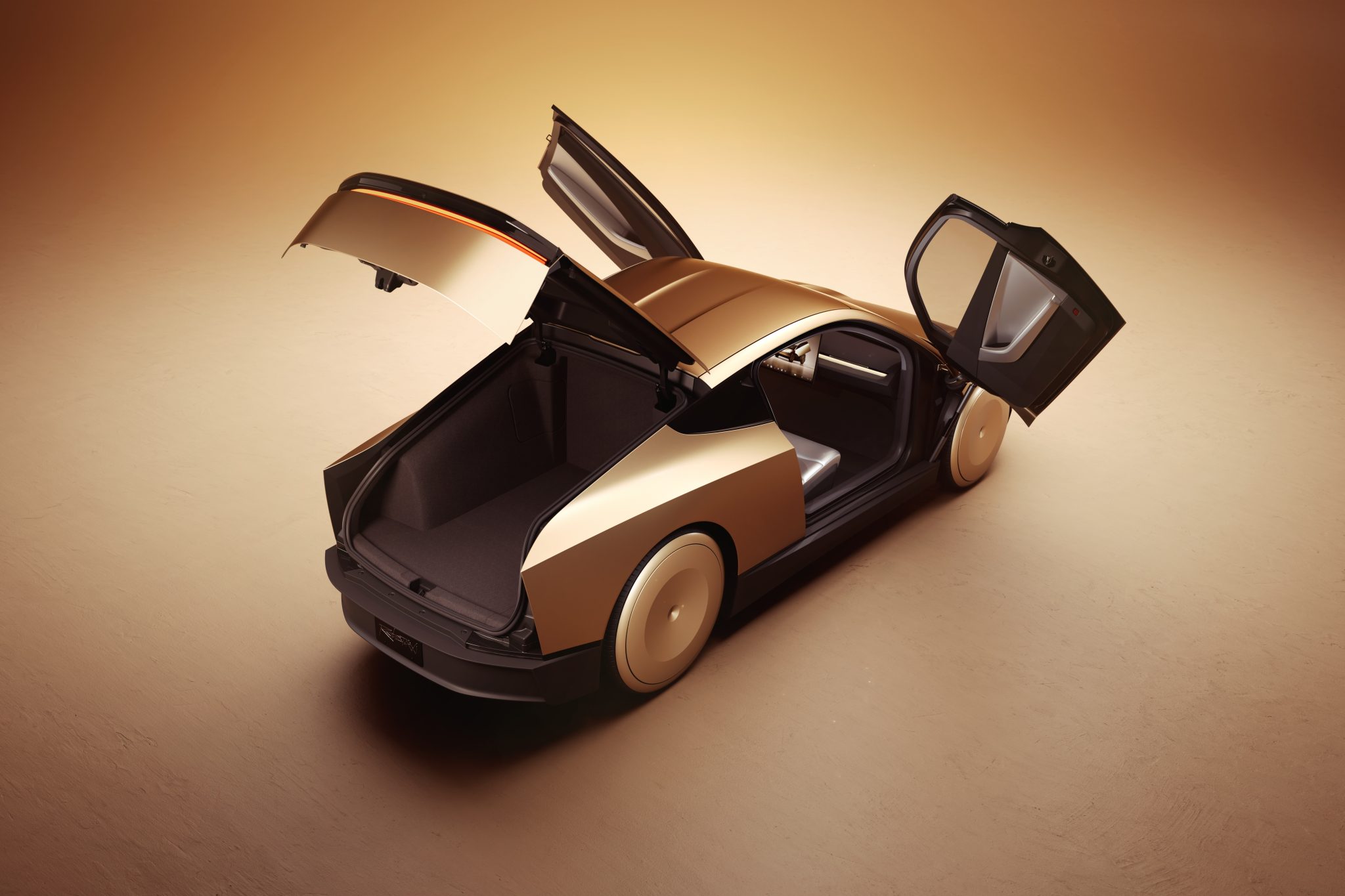
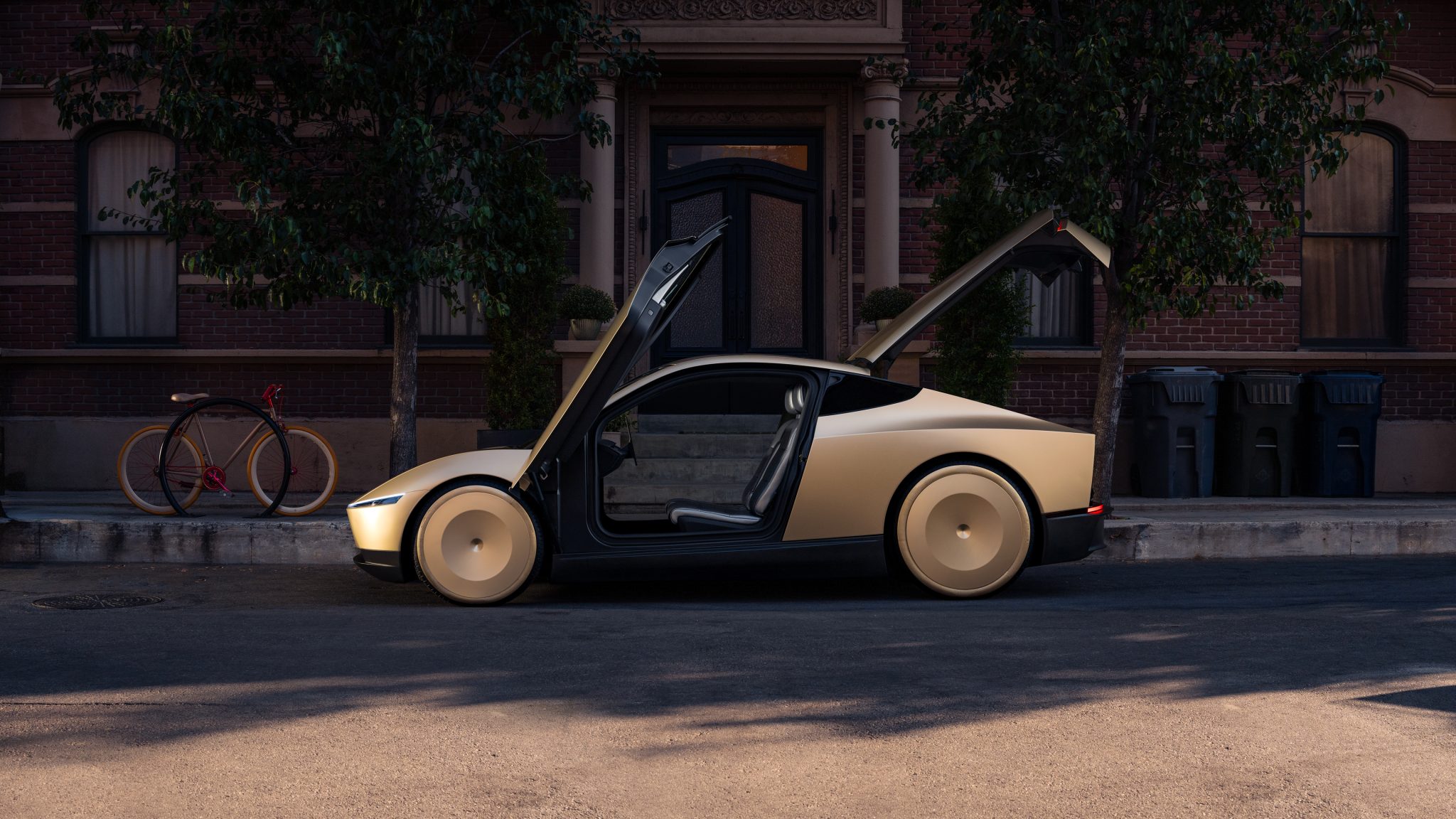
As the Cybercab made its debut on stage, its futuristic design immediately captured the attention of the audience. Inspired by the bold, angular lines of the Cybertruck, the Cybercab maintains a sleek, aerodynamic profile that is enhanced by curves reminiscent of Tesla’s existing vehicle lineup. The design retains Tesla’s signature minimalism while incorporating advanced engineering to improve efficiency and performance.
One of the most noticeable features of the Cybercab is its unique wheel setup. The vehicle is equipped with 225/60/R21 tires in the rear, and each wheel is fitted with aero covers that extend partially into the tire. This design not only gives the Cybercab a cutting-edge appearance but also contributes to enhanced aerodynamics, optimizing energy efficiency during operation.
A Spacious and Practical Cabin with Inductive Charging
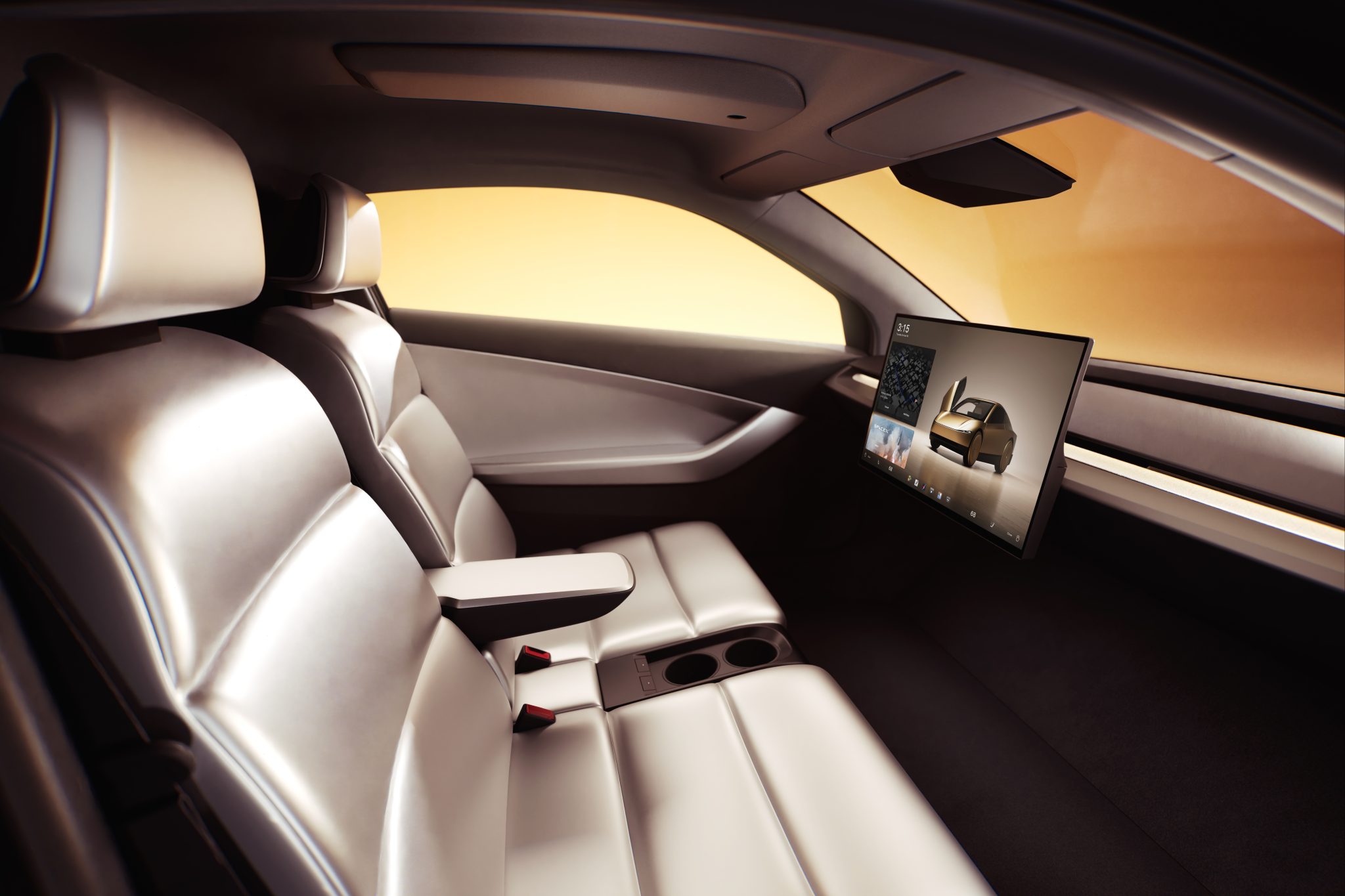
While Tesla did not provide the exact dimensions of the Cybercab’s cabin, images and videos from the event indicate a spacious interior designed for maximum comfort. With two seats, the vehicle is optimized for the majority of ride-hailing journeys, which are typically single or double occupancy. This design decision was driven by data showing that most miles traveled in the U.S. involve fewer than two passengers, making the Cybercab ideal for urban environments and personal use.
In terms of cargo, the Cybercab is expected to offer more storage space than Tesla’s Model 3, making it practical for daily commuting or light deliveries. The absence of a steering wheel and pedals in the driverless version of the Cybercab further enhances the interior’s spaciousness, providing passengers with a more open, comfortable environment.
Tesla also announced that the Cybercab would not feature the traditional NACS charging port. Instead, it will utilize a wireless inductive charging system, a technology Tesla has been developing in recent years. This system is designed for ease of use, allowing the Cybercab to charge automatically when positioned over an inductive charging pad, eliminating the need for human intervention. Tesla’s acquisition of Wiferion last year has accelerated the development of this cutting-edge technology, which is expected to play a crucial role in maintaining large fleets of autonomous vehicles.
Autonomous Capabilities and Fleet Optimization
The Cybercab is designed to operate fully autonomously, utilizing Tesla’s Full Self-Driving (FSD) technology. Musk confirmed that real-world tests of FSD without human oversight would begin in California and Texas next year, laying the groundwork for the mass deployment of Tesla’s Robotaxi fleet. This milestone marks a significant step toward Tesla’s vision of a future where autonomous vehicles dominate the roads, providing seamless, efficient transportation without the need for human drivers.
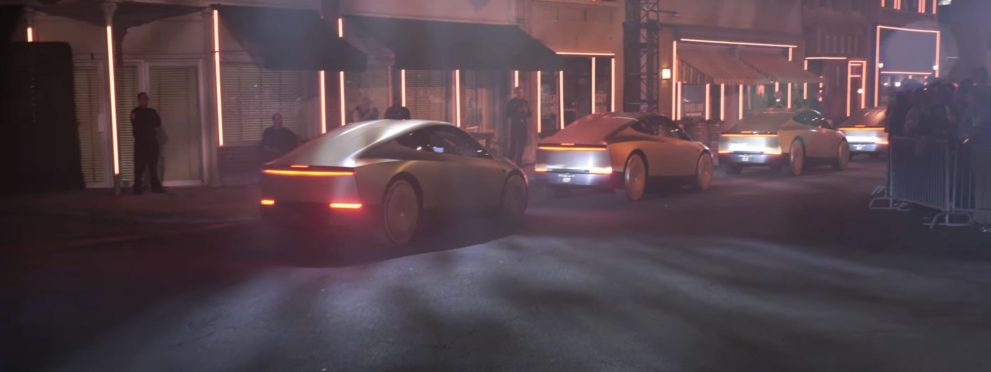
To support the high utilization rates expected from the Cybercab, Tesla has developed a comprehensive maintenance system. During the event, a video demonstration showcased the Cybercab autonomously docking at an inductive charging station, where a robotic cleaner automatically removed debris from the vehicle’s interior. This maintenance-free approach ensures that Cybercab operators can keep their fleets running with minimal downtime, further enhancing the vehicle’s cost-efficiency and usability.
Affordability and Future Variants
With a base price under $30,000, the Cybercab is set to be one of the most affordable autonomous vehicles on the market. This competitive pricing is expected to make the Cybercab an attractive option for ride-hailing companies, businesses looking to expand their fleets, and even individual consumers. Musk noted that the vehicle’s low cost and high-volume production would allow fleet operators to deploy large numbers of Cybercabs, thereby reducing transportation costs and increasing accessibility to autonomous ride services.
Tesla only unveiled the fully autonomous, driverless version of the Cybercab during the event, but previous reports have hinted at the possibility of a variant equipped with a steering wheel and pedals. This potential version could appeal to consumers in markets like Europe and Asia, where regulatory environments and consumer preferences may favor more traditional vehicle designs.
Production Timeline and Future Prospects
Tesla aims to start Cybercab production by 2026, with the goal of delivering the vehicle to consumers before 2027. Musk admitted that while Tesla’s timelines are often ambitious, the company remains confident in its ability to meet these targets. Production of the Cybercab is likely to take place at Tesla’s Giga Texas facility, where the company’s unboxed manufacturing process will be employed to streamline production and reduce costs.
As Tesla pushes forward with its ambitious plans for the Cybercab, the company is not only setting the stage for the future of autonomous transportation but also redefining what is possible in the automotive industry. With its sleek design, advanced technology, and affordable price, the Cybercab is positioned to become a game-changer in the rapidly evolving world of electric and autonomous vehicles.