Moscow, Russia – March 17, 2025 – Russia has unveiled a sweeping initiative to significantly expand its domestic lithium production, aiming to produce a minimum of 60,000 metric tonnes of lithium carbonate annually by the end of this decade. The announcement, made by the Russian Ministry of Natural Resources, signals a strategic shift towards reducing reliance on lithium imports and bolstering the nation’s burgeoning electric vehicle (EV) battery manufacturing sector.
The move comes amidst a global scramble for critical minerals, particularly lithium, essential for the production of EV batteries and other high-tech applications. The heightened demand has spurred renewed geopolitical interest in securing reliable supply chains, a factor underscored by former US President Trump’s efforts to counter China’s dominance in the sector through offering production deals to both Russia and Ukraine.
Strategic Importance and Resource Potential
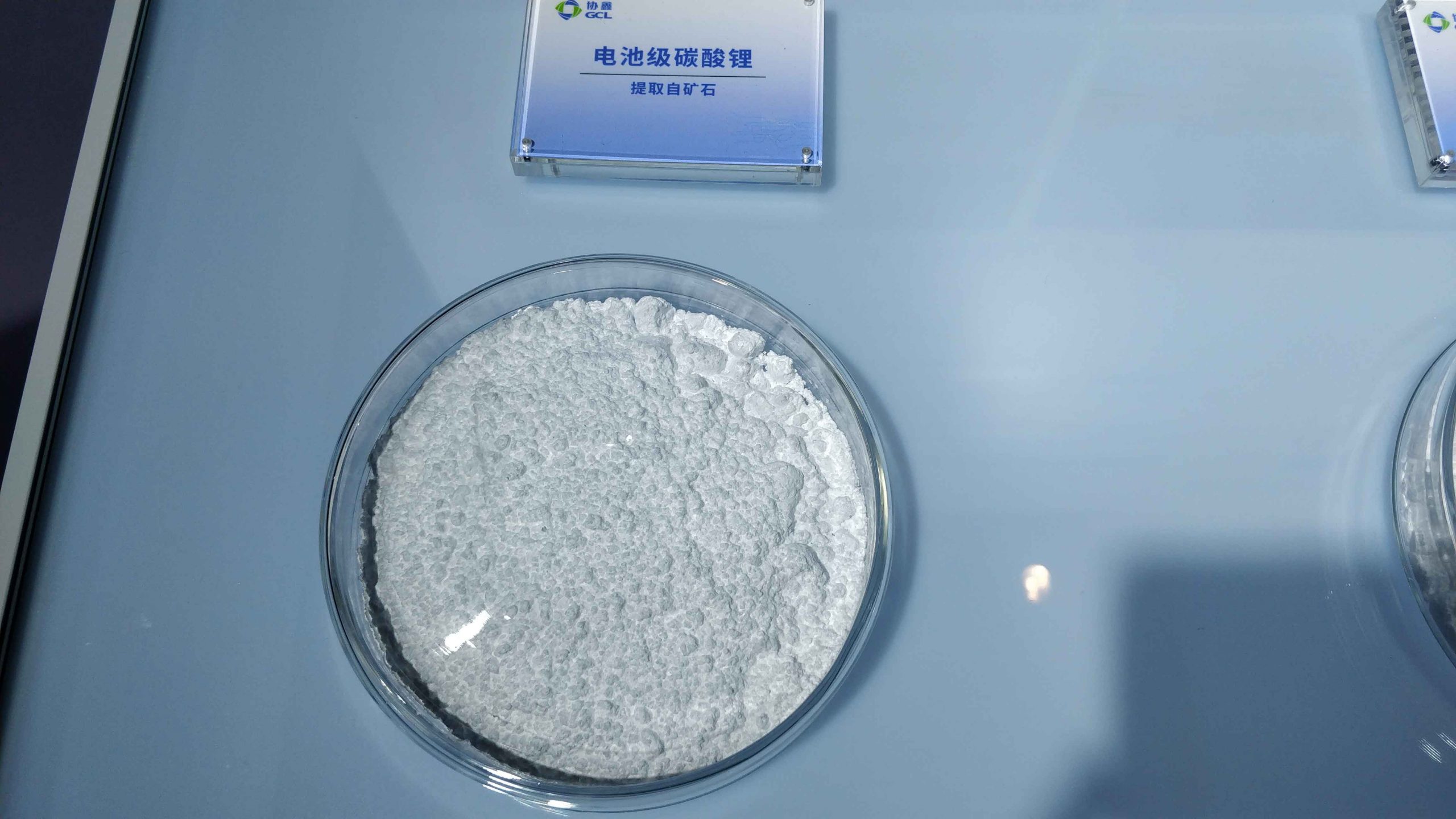
Lithium, alongside other vital minerals like rare earth metals, has become a focal point of international competition. The US Geological Survey designates lithium as one of 50 critical minerals, highlighting its importance to national security and economic competitiveness. Russia possesses substantial lithium oxide reserves, reportedly totaling 3.5 million tonnes, according to the ministry. While the US Geological Survey’s 2024 estimate placed Russia’s lithium reserves at approximately 1 million tonnes – ranking 14th globally – the potential for further discoveries remains significant. It’s important to note that lithium oxide contains roughly one-third pure lithium, while lithium carbonate boasts a higher concentration of approximately 20%.
The Russian government recognizes the strategic imperative of developing these resources. As President Vladimir Putin emphasized, accelerating plans to mine lithium deposits is crucial for national economic growth and technological advancement. Historically, Russia has been a net importer of lithium, making the launch of domestic production facilities a priority.
“The development of lithium production is not merely an economic endeavor; it is a matter of national security and technological sovereignty,” stated a spokesperson for the Ministry of Natural Resources. “We are committed to rapidly expanding our capabilities in lithium extraction and processing to meet the growing demand and reduce our dependence on foreign suppliers.”
Key Projects and Licensing
The ministry has already issued licenses for exploration across three primary lithium deposits: Polmostundrovskoye and Kolmozerskoye in the Murmansk region of northwestern Russia, and Tastygskoye in the Tuvia region bordering Mongolia. All three deposits, along with their associated production plants, are slated to be operational by the end of the decade.
The development of these projects is being spearheaded by a mix of state-owned and private entities:
- Kolmozerskoye: This deposit, holding approximately one-quarter of Russia’s lithium reserves, is being developed by Polar Lithium, a joint venture between Nornickel, a leading Russian metal giant, and Rosatom, the state-owned nuclear energy corporation.
- Polmostundrovskoye: Arctic Lithium, a private firm, holds the license for this deposit.
- Tastygskoye: Elbrusmetall-Lithium, a subsidiary of Rostech, a state-owned defense and industrial conglomerate, is responsible for its development.
Currently, Russia’s lithium production is minimal, with just 27 tonnes mined as a byproduct in the Ural Mountain region in 2023. The ambitious plan aims to dramatically increase this output, positioning Russia as a significant player in the global lithium market.
Challenges and Future Outlook
While the initiative holds immense promise, challenges remain. Developing these deposits will require substantial investment in infrastructure, technology, and skilled labor. Environmental considerations will also be paramount, ensuring sustainable mining practices that minimize impact on surrounding ecosystems.
The Russian government is actively working to address these challenges, offering incentives for investment and fostering collaboration between state and private entities. The success of this initiative will not only strengthen Russia’s economy but also contribute to the diversification of the global lithium supply chain, reducing reliance on a few dominant producers.
The Ministry of Natural Resources anticipates that the increased lithium production will significantly contribute to the growth of Russia’s EV battery manufacturing sector, supporting the development of domestic electric vehicles and related industries.