- Breakthrough in Battery Science: Scientists Develop AI-Driven Organic Molecules to Extend Lithium-Ion Battery Lifespan by Up to Two Times
In a groundbreaking advancement in sustainable energy technology, researchers at Fudan University have unveiled a novel solution to extend the lifespan of lithium-ion batteries by up to two times. This innovative breakthrough, leveraging cutting-edge artificial intelligence and organic electrochemistry, introduces a revolutionary approach to combating one of the most pressing environmental challenges of our time: battery waste.
A New Era for Battery Sustainability
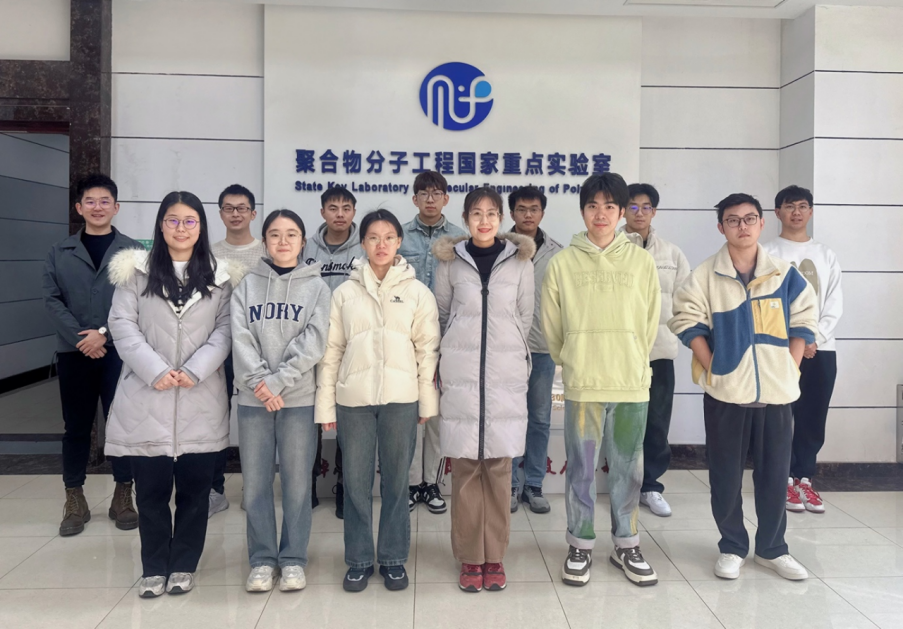
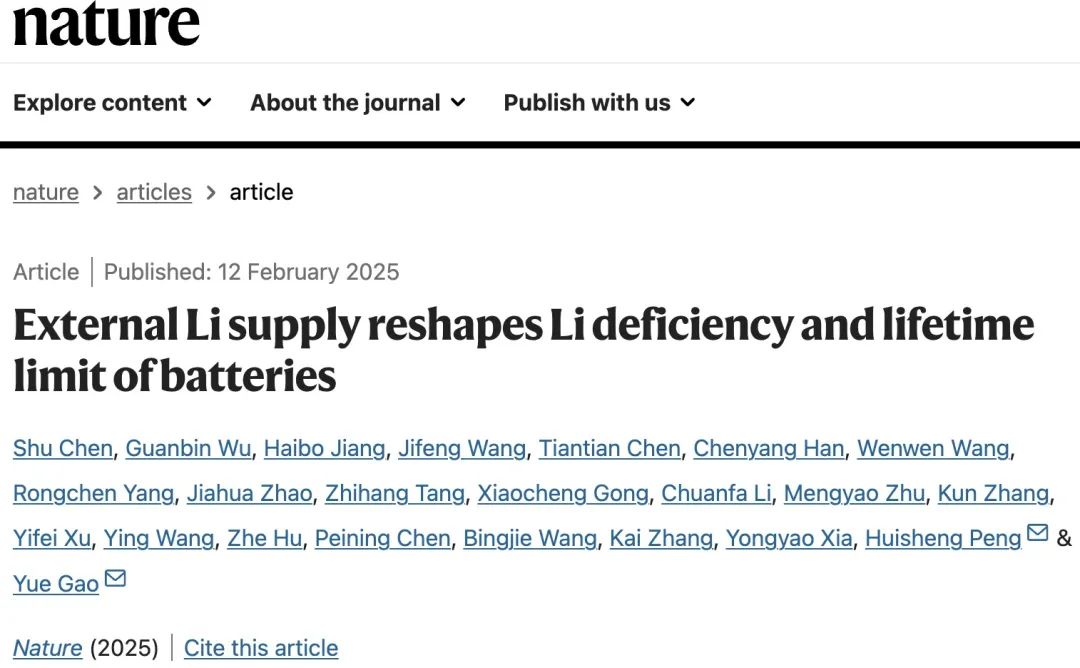
The study, led by Professor Huisheng Peng and Associate Researcher Yue Gao from Fudan University’s High Molecular Science Laboratory, introduces a groundbreaking method to address the critical issue of battery degradation. By integrating artificial intelligence with organic electrochemistry, the team has successfully developed a new class of lithium-ion carriers that significantly enhance battery performance and longevity.
Key Innovations
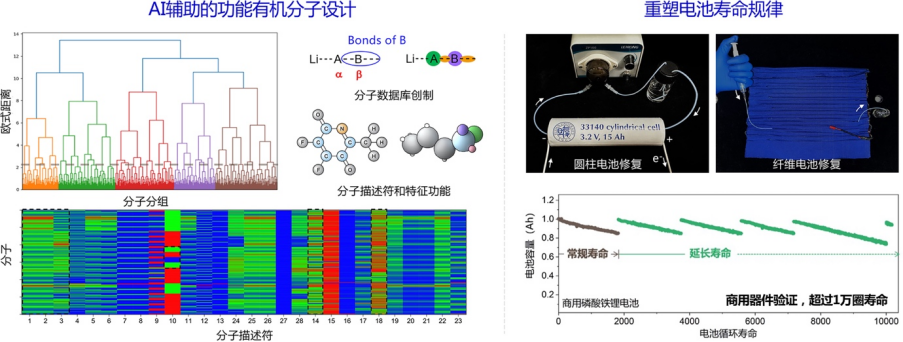
- AI-Driven Organic Molecule Design: The researchers utilized advanced machine learning algorithms to design and optimize novel organic molecules capable of efficiently carrying lithium ions. This marks a significant leap forward in molecular engineering, as these molecules are specifically tailored to meet the stringent requirements of lithium-ion battery applications.
- Lifespan Extension by Up to Two Times: Through rigorous testing, it has been demonstrated that incorporating these new molecules into batteries can extend their operational lifespan by up to two times. This is a game-changer for industries relying on high-performance batteries, including electric vehicles and renewable energy storage systems.
- Cost-Effective and Scalable Solution: The newly developed lithium carriers are not only highly effective but also cost-efficient. With a projected production cost accounting for less than 10% of the total battery cost, this solution is poised to become a commercially viable option for widespread adoption.
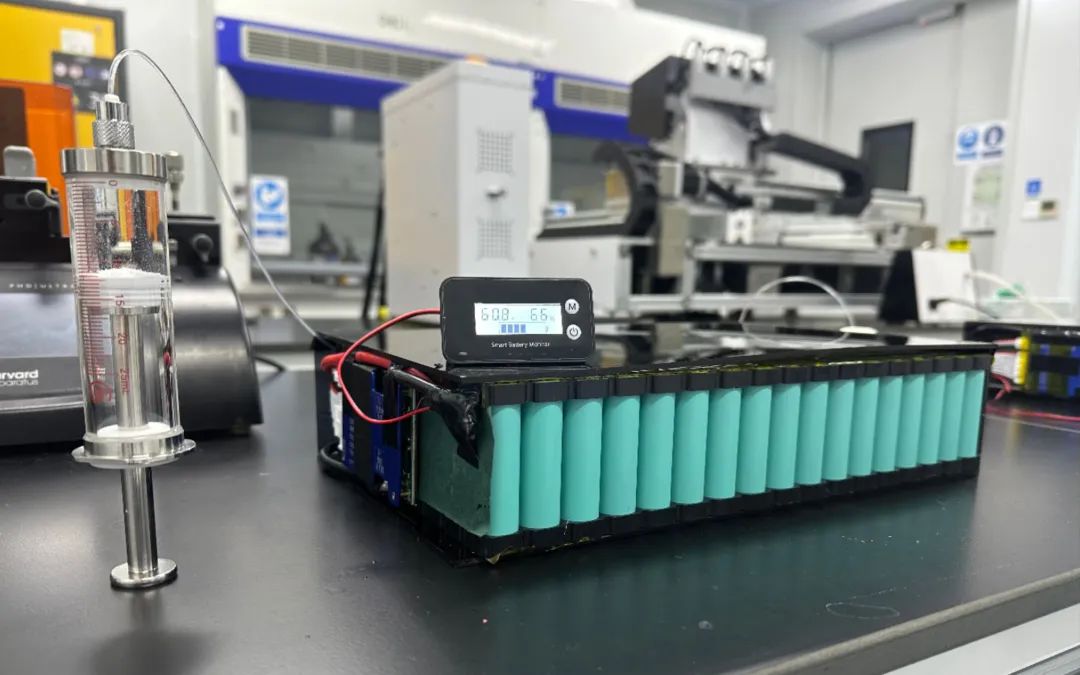
- Versatility Across Battery Types: The technology has been successfully tested across various battery configurations, including soft-pack, cylindrical, prismatic, and fiber-shaped lithium-ion batteries. This versatility ensures that the solution can be adapted to meet diverse industry needs.
Sustainable Energy Breakthrough
The significance of this discovery extends far beyond technical innovation. With the global demand for sustainable energy solutions intensifying, the environmental impact of battery waste has become a major concern. Traditional lithium-ion batteries degrade rapidly, leading to frequent replacements and a significant environmental footprint. By doubling battery lifespan, this new technology drastically reduces the need for new battery production, thereby minimizing resource consumption and lowering carbon emissions.
A Glimpse into the Future
The potential applications of this breakthrough are vast. Beyond extending battery life, the same lithium carrier molecules can be employed in advanced energy storage systems, such as those integrating photovoltaic cells and wind turbines. This could pave the way for more efficient renewable energy solutions, further driving the global transition to clean energy.
Collaboration and Commercialization
The Fudan University team has already begun collaborating with leading international battery manufacturers to accelerate the commercialization of this technology. Their goal is to bring these groundbreaking molecules to market within the next few years, enabling widespread adoption across industries.
Conclusion: A Greener Tomorrow
This pioneering research represents a major milestone in sustainable energy innovation. By combining cutting-edge AI and organic chemistry, scientists have unlocked new possibilities for extending battery life and reducing waste. As we continue to face the challenges of climate change, such breakthroughs are essential for building a more sustainable and environmentally friendly future.