Professor Bruno Scrosati, a towering figure in electrochemistry and battery research who helped lay the groundwork for modern lithium-ion battery technology, has passed away at 87. As Professor Emeritus at the University of Rome “La Sapienza,” his half-century of contributions revolutionized our understanding of energy storage systems.
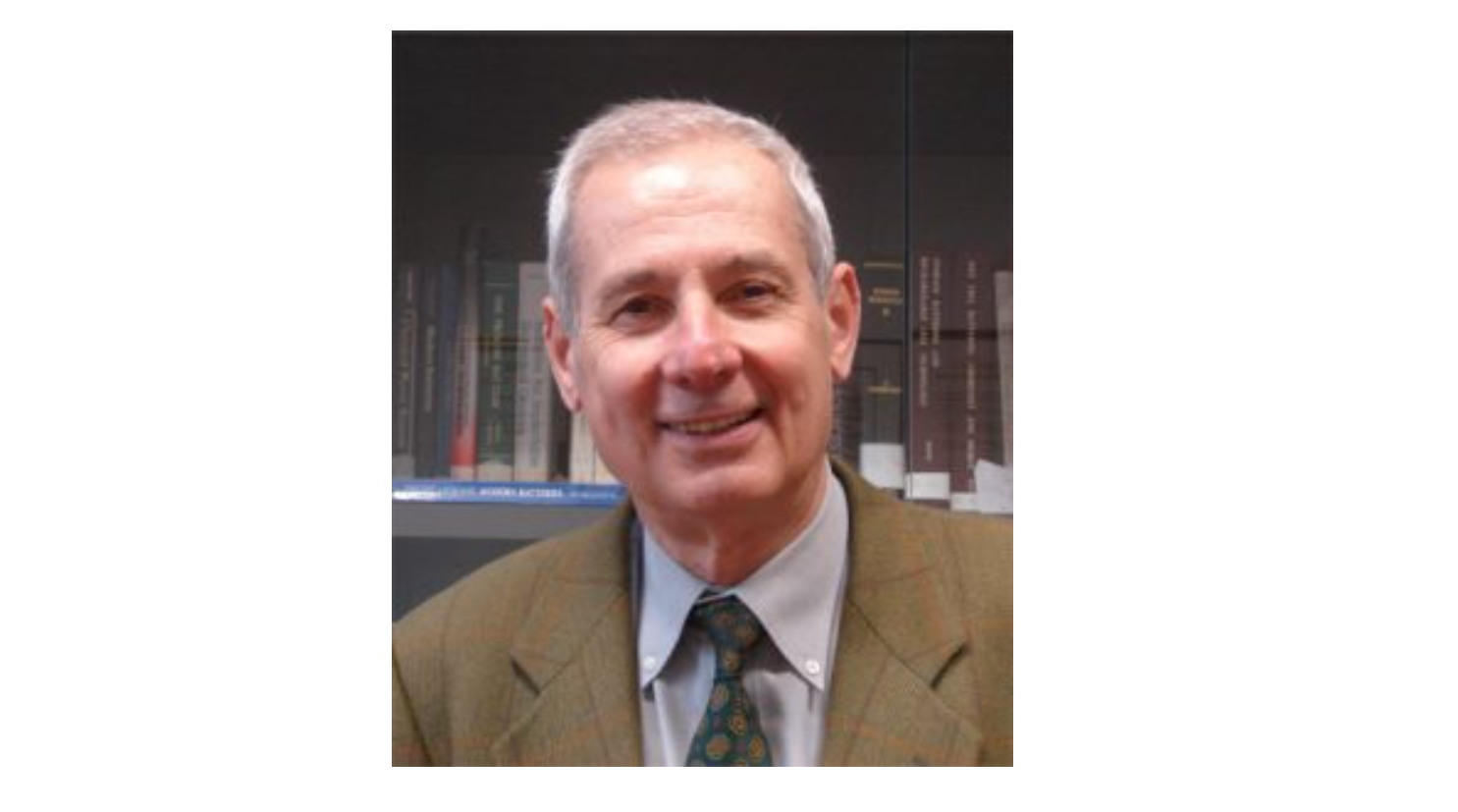
Nobel Laureate M. Stanley Whittingham, who shared the 2019 Nobel Prize in Chemistry for his work on lithium-ion batteries, paid tribute to Scrosati’s impact: “Professor Scrosati has been a leader in the field of battery study for more than 50 years.”
Scrosati’s research primarily focused on energy conversion and storage systems, with groundbreaking work in developing new materials for lithium batteries and fuel cells. His innovative studies on multifunctional nanostructured electrode/electrolyte systems and proton-conducting polymer systems have been particularly influential in advancing battery technology.
After receiving his chemistry degree in 1966 and doctorate in electrochemistry in 1969 from the University of Rome, Scrosati built an impressive international career. He conducted research at prestigious institutions worldwide, including the University of Illinois, Bell Telephone Laboratories, and held visiting professorships at the University of Minnesota and the University of Pennsylvania.
His excellence in the field earned him numerous accolades, including the Alessandro Volta medal from the European Section of the Electrochemical Society and the Gold Seal from the Italian Chemical Society. The University of St. Andrews in Scotland awarded him an honorary doctorate in 1996, recognizing his outstanding contributions to science.
Scrosati’s leadership extended beyond the laboratory. He served as president of the International Society of Solid-State Ionics and the Italian Chemical Society, and held the vice-presidency of The Electrochemical Society. His influence on scientific literature was profound, serving as the European editor of the Journal of Power Sources and contributing to multiple prestigious international journals.
His scholarly output was remarkable: over 330 scientific publications, 9 books, 10 book chapters, and 16 patents. This productivity earned him a place among the world’s ten thousand most-cited chemists, reflecting his substantial impact on the field.