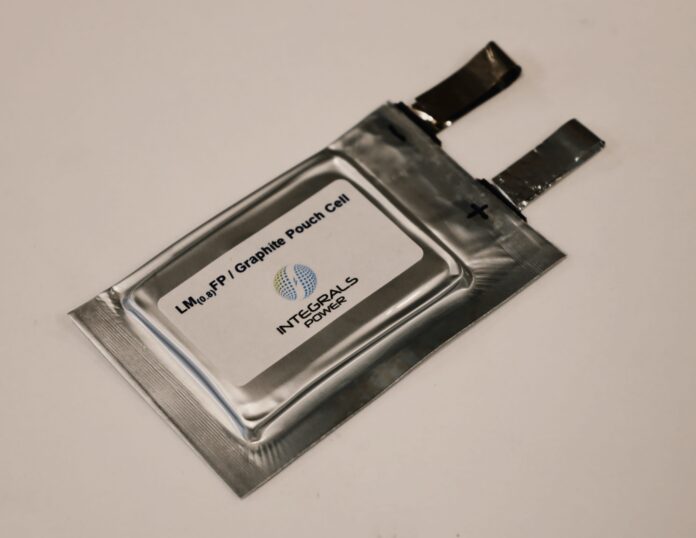
The future of electric vehicles (EVs) is on the brink of a transformative breakthrough. Researchers at Florida International University (FIU) have made significant strides in developing next-generation battery technology, specifically lithium-sulfur batteries enhanced with platinum nanoparticles. This innovation promises to drastically improve EV range and battery longevity, addressing one of the primary concerns of EV owners worldwide.
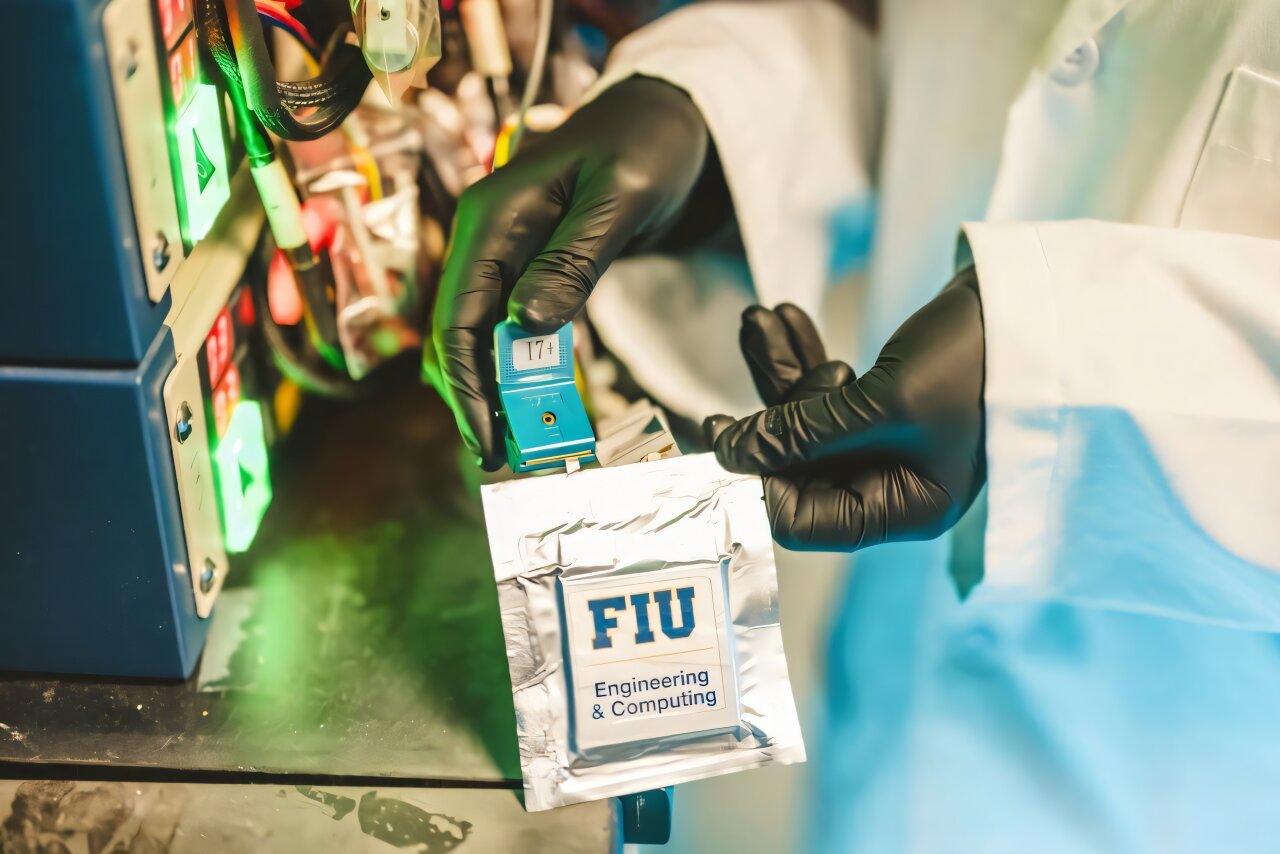
The Promise of Lithium-Sulfur Batteries
Lithium-ion batteries, while reliable, have limitations that hinder their widespread adoption. They are heavy, expensive, and—perhaps most importantly—have limited energy density compared to lithium-sulfur alternatives. Lithium-sulfur batteries, on the other hand, offer a compelling solution. They are lightweight, less costly, and boast an impressive energy density, which could potentially double the range of EVs. This makes them one of the most promising alternatives to traditional lithium-ion technology.
However, lithium-sulfur batteries have faced a significant drawback: their lifespan. Early iterations degraded rapidly, often becoming ineffective after just 50 charging cycles. This limitation has held back their commercial viability despite their numerous advantages.
The Breakthrough: Platinum Nanoparticles
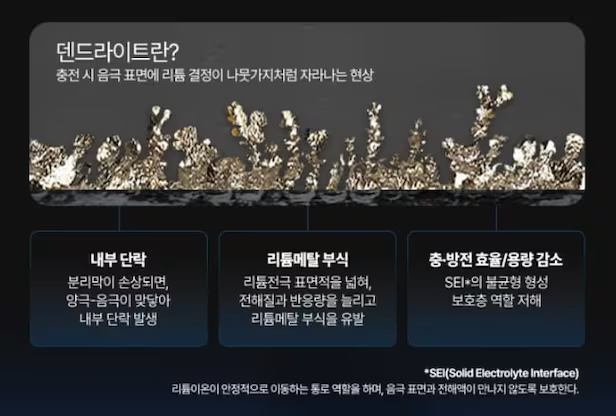
Enter platinum nanoparticles—a game-changer in the quest for longer-lasting lithium-sulfur batteries. FIU researchers discovered that adding a tiny amount of platinum to the sulfur side of the battery could stabilize its performance and significantly extend its lifespan. This innovative approach minimizes the damaging chemical reactions that previously led to mossy build-ups on the lithium side, reducing energy efficiency and ultimately deteriorating the battery.
The results are staggering. By incorporating just 0.02% of platinum nanoparticles into the sulfur electrode, researchers achieved a substantial improvement in battery longevity. The enhanced batteries can now withstand significantly more charging cycles without losing performance, bringing them closer to commercial viability.
A Pinch of Platinum, an Ocean of Impact
Adding platinum nanoparticles is akin to adding a pinch of salt to food—it’s a small adjustment that yields outsized results. These nanoparticles act at the molecular level to guide lithium ions, ensuring smooth and efficient flow within the battery. This not only prevents the problematic mossy build-ups but also ensures consistent performance over time.
The Road Ahead: From Lab to Market
While the research is promising, there are still critical steps before this technology can reach consumers. The FIU team is currently undergoing third-party testing to validate their findings and ensure the reliability of their innovation. Once successful, the next phase will involve licensing and commercialization, which could pave the way for widespread adoption of lithium-sulfur batteries in EVs.
A Bright Future for Electric Mobility
The implications of this breakthrough are profound. If lithium-sulfur batteries with platinum nanoparticles can be successfully commercialized, they could revolutionize the EV industry. Longer range, lower costs, and reduced environmental impact would make EVs more accessible and appealing to a broader audience.
As global efforts to transition toward sustainable energy intensify, advancements in battery technology are crucial. Florida International University’s breakthrough not only addresses the pain points of current EV batteries but also sets the stage for a future where electric mobility is both practical and ubiquitous.
Conclusion
The integration of platinum nanoparticles into lithium-sulfur batteries represents a significant leap forward in battery science. By overcoming previous limitations, this innovation brings us closer to a world where EVs are no longer constrained by range or cost. As researchers continue their work, the promise of cleaner, more efficient energy storage grows ever brighter.