The automotive industry is undergoing a transformative shift toward sustainable energy solutions, with electric vehicles (EVs) at the forefront of this revolution. As demand for longer-range, more efficient, and cost-effective batteries grows, researchers and manufacturers are constantly seeking innovative materials and technologies to meet these challenges. One such breakthrough comes from Integrals Power, a UK-based company that has developed a groundbreaking cathode material—Lithium Manganese Iron Phosphate (LMFP)—designed to enhance battery performance while reducing costs and reliance on critical minerals.
The Promise of LMFP Technology
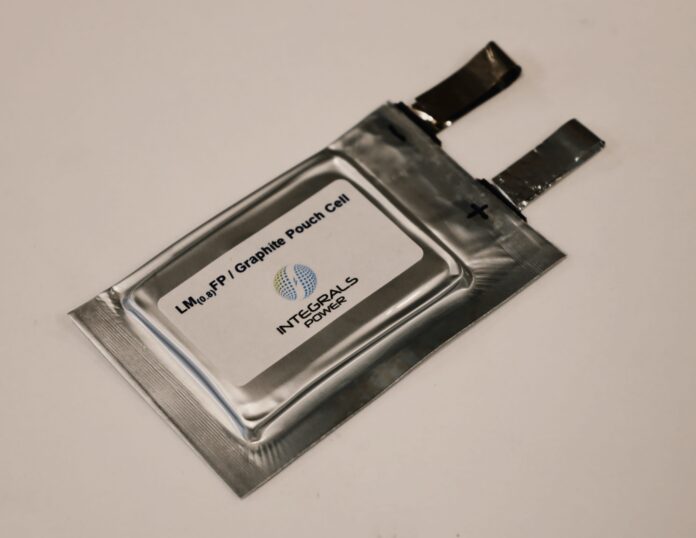
Integrals Power’s LMFP cathode material represents a significant leap forward in battery technology. Unlike traditional Lithium Iron Phosphate (LFP) batteries, which have been widely adopted for their safety and durability but face limitations in energy density and cost-effectiveness, LMFP offers a superior balance of performance, range, and sustainability. By incorporating 80% manganese content and achieving a specific capacity of nearly 150 mAh/cm², Integrals Power has unlocked a higher voltage profile (4.1V) while maintaining the robustness associated with LFP.
The key advantage of LMFP lies in its ability to deliver high performance under high discharge conditions without compromising durability. This makes it an ideal candidate for demanding applications such as electric vehicles, where both power and longevity are critical. According to QinetiQ’s independent testing, pouch cells made using Integrals Power’s LMFP material demonstrated exceptional capacity retention and C-rate performance, outperforming traditional LFP batteries in real-world scenarios.
Cost-Effective and Sustainable Solutions
One of the most compelling aspects of LMFP is its potential to reduce costs and minimize reliance on critical minerals. While high-nickel cathodes like NCM (Nickel Cobalt Manganese) offer impressive energy densities, they are often expensive and dependent on rare materials, which can create supply chain vulnerabilities. In contrast, LMFP’s composition—dominated by manganese and iron—makes it more affordable and less reliant on scarce resources.
This cost-effectiveness is particularly appealing to automotive OEMs looking to build lighter, more affordable batteries without compromising on performance or range. By using fewer cells to achieve the same range, manufacturers can streamline production processes, reduce material costs, and contribute to a more sustainable supply chain.
Enhanced Performance for EVs
The benefits of LMFP extend beyond cost savings. Its higher voltage profile (4.1V) enables greater energy density, which directly translates to longer real-world range for electric vehicles. This is a critical factor in the EV market, where consumer demand for longer driving ranges continues to grow alongside concerns about charging infrastructure.
Furthermore, QinetiQ’s testing highlighted LMFP’s ability to maintain high performance under varying C-rates, ensuring consistent power delivery even during intense usage scenarios. This durability and reliability make LMFP an excellent choice for electric vehicles, which often face diverse and demanding operating conditions.
A Greener Future for Batteries
Integrals Power’s commitment to sustainability is evident in its manufacturing process. The company produces its LMFP materials at a UK facility using high-purity raw materials rather than bulk precursors, minimizing waste and ensuring traceability. This approach not only supports ethical sourcing but also aligns with global efforts to reduce the environmental impact of battery production.
As the world moves toward a low-carbon future, innovations like LMFP cathode material are essential for advancing battery technology without sacrificing performance or sustainability. By offering a cost-effective, high-performance alternative to traditional cathodes, Integrals Power is paving the way for more affordable and accessible electric vehicles.
Conclusion
Integrals Power’s LMFP cathode material represents a significant step forward in battery technology, addressing key challenges faced by the EV industry. With its superior performance under high discharge conditions, lower cost, and reduced reliance on critical minerals, LMFP offers a promising solution for manufacturers seeking to enhance vehicle range and reduce production costs.
As the company continues to collaborate with industry leaders and test its materials across diverse applications, the potential for LMFP to revolutionize battery technology—and, by extension, the electric vehicle market—becomes increasingly clear. The combination of innovation, sustainability, and practical benefits positions LMFP as a key enabler in the global shift toward cleaner, more efficient mobility solutions.