In a recent statement on his social media platform X, Tesla CEO Elon Musk announced plans to double the company’s vehicle production in the United States within two years. This ambitious goal comes amid declining global sales figures for the electric carmaker, particularly in key markets like Europe and China. While it remains unclear whether the drop in sales is directly tied to Musk’s political activities or factors such as the recent facelift of the Model Y, the CEO appears determined to strengthen the US as a production hub.
Musk linked his announcement to his support for President Donald Trump’s policies, positioning the move as a demonstration of confidence in the future of the United States. Speaking on X, Musk refrained from providing detailed explanations but emphasized the strategic importance of increasing domestic production. This decision aligns with Tesla’s broader goal of expanding its global footprint while solidifying its presence in the US market.
Current Production Capacities and Future Plans
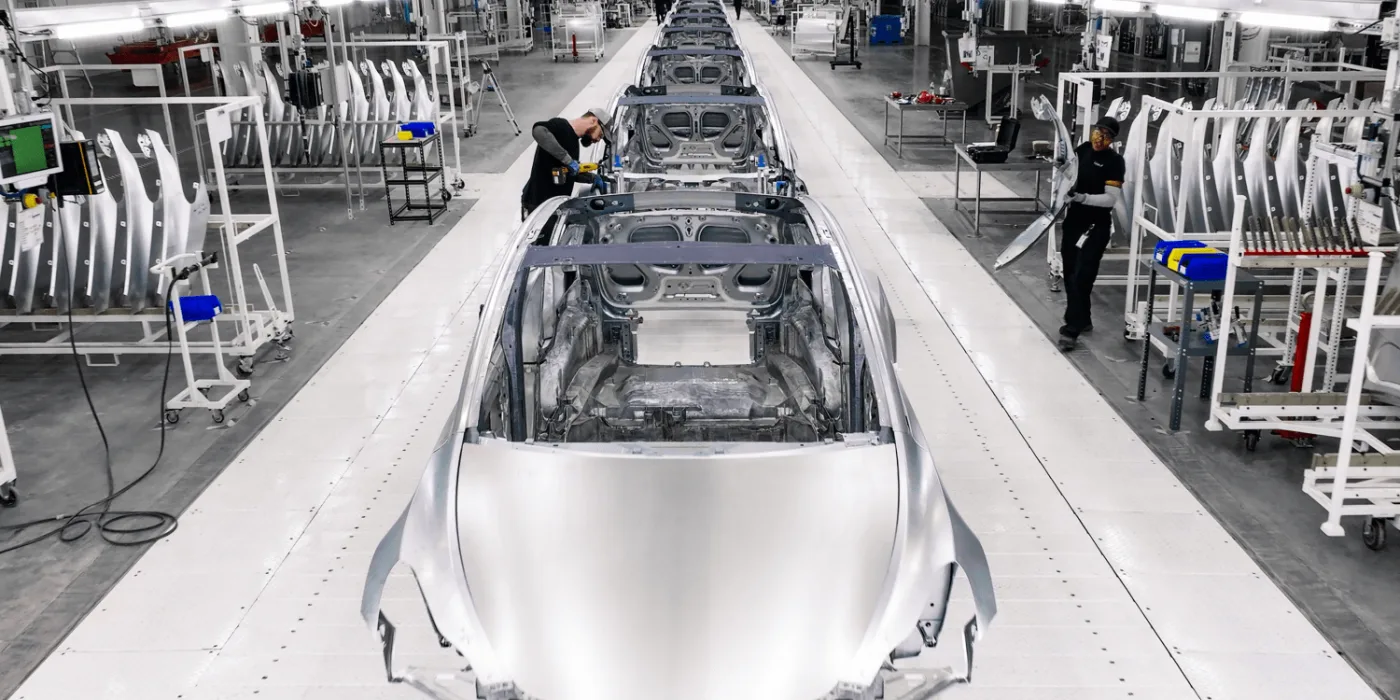
As of Tesla’s latest annual report, the company has significant production capabilities across its US plants. In California, the Fremont factory boasts an annual capacity of 100,000 premium vehicles (Model S and Model X) and over 550,000 volume cars (Model 3 and Model Y). The Gigafactory in Texas is capable of producing more than 250,000 Model Ys and 125,000 Cybertrucks annually. Additionally, pilot production of the Tesla Semi is underway at the Nevada plant.
| Location | Model | Production Capacity |
|---|---|---|
| California | Model S/X | 100,000 |
| California | Model 3/Y | >550,000 |
| Shanghai | Model 3/Y | >950,000 |
| Berlin | Model Y | >375,000 |
| Texas | Model Y | >250,000 |
| Texas | Cybertruck | >125,000 |
| Nevada | Tesla Semi | Pilot production |
With these figures in mind, doubling US production would significantly bolster Tesla’s manufacturing capabilities. However, questions remain about the potential impact on other global plants, such as the one being built in Mexico. While it may seem counterintuitive to expand US production while also establishing a factory in a neighboring country, Musk’s decision reflects his long-standing focus on diversifying supply chains and reducing costs.
Strategic Implications and Political Image
Musk’s announcement carries additional weight given his close ties to President Trump. The Tesla CEO has often positioned himself as an advisor to the former president, with Trump even promoting Tesla in a recent media stunt by purchasing a vehicle. This relationship appears to be mutually beneficial: Musk gains political leverage, while Trump garners support from the tech and automotive industries.
Despite the challenges posed by declining sales, Musk’s focus on increasing US production underscores his commitment to both the company and his political image. By aligning Tesla’s growth with domestic manufacturing goals, Musk aims to position the brand as a leader in the transition to sustainable energy while strengthening his reputation as a business leader supportive of American policies.
Conclusion
Elon Musk’s pledge to double Tesla’s vehicle production in the US within two years signals a strategic shift that could reshape the company’s global operations. While challenges such as declining sales and geopolitical considerations loom large, the move reflects Musk’s vision for Tesla as a driving force behind the future of American manufacturing. As the company works toward this ambitious goal, it will be crucial to monitor how these efforts translate into actual production numbers and whether they align with broader market demands.
SEO Keywords:
SEO Description: