In a concerning development, emergency services across Australia have reported an alarming surge in lithium-ion battery fires, with fatal incidents increasingly linked to improper use and storage. Recent weeks have seen multiple cases of severe harm caused by these energy-dense devices, prompting urgent calls for public awareness and regulatory action.
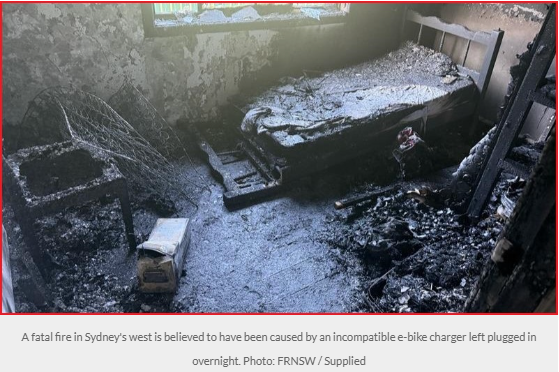
Fatal Fire Highlights Dangers: Sydney Man Killed in Overheating Incident
A tragic incident in Sydney has underscored the dangers of lithium-ion batteries, with a man losing his life after a battery overheated at his home. The fire, which occurred while the victim was charging an e-bike, rapidly spread and could not be contained despite the efforts of emergency responders. Authorities investigating the case found that the device had been charged for an extended period without proper supervision, a practice now deemed highly risky.
Surge in Battery-Related Fires Across NSW and Victoria
The incident in Sydney is part of a broader trend. In New South Wales (NSW) alone, fire departments have reported a 30% increase in lithium-ion battery fires over the past year, with similar trends observed in neighboring states like Victoria. These fires are often linked to e-bikes, e-scooters, and other micro-mobility devices, which have seen exponential growth in popularity over recent years.
Experts Urge Caution: Avoid Sleeping While Charging Devices
Leading fire safety experts are urging consumers to exercise extreme caution when charging lithium-ion batteries. Key recommendations include:
- Never leaving devices unattended while charging: This practice has been linked to numerous fires, including the fatal Sydney incident.
- Avoiding DIY modifications: Instances of homemade battery systems have led to catastrophic explosions, as seen in recent garage fires in suburbs like Caringbah and Granville.
- Investing in reputable products: Cheap or counterfeit devices are often poorly constructed and pose significant fire risks.
New Safety Standards Roll Out Across Australia
In response to the growing crisis, the Australian government has introduced stricter safety standards for lithium-ion batteries used in e-micro mobility vehicles. The new regulations mandate that manufacturers and retailers provide clear safety information to consumers, with penalties of up to $5,500 per breach.
Public Education Campaigns Needed: Raising Awareness of Hidden Risks
Despite these measures, experts stress that public education remains critical. Many Australians are unaware of the dangers posed by lithium-ion batteries, with recent surveys revealing that 73% of respondents charge devices unsupervised and 64% leave them plugged in after full charging.
Recycling Risks: Batteries in Landfill Can Ignite
The risks associated with lithium-ion batteries extend beyond use and charging. Discarding these items in regular household waste can lead to fires in garbage trucks or recycling facilities, a problem that has plagued waste management companies across the country.
Conclusion: A Call for Vigilance and Regulation
As the popularity of e-bikes and other micro-mobility devices continues to rise, so too does the potential for lithium-ion battery-related disasters. Consumers must take responsibility by following safety guidelines, while governments and businesses must do more to enforce regulations and provide clear information.