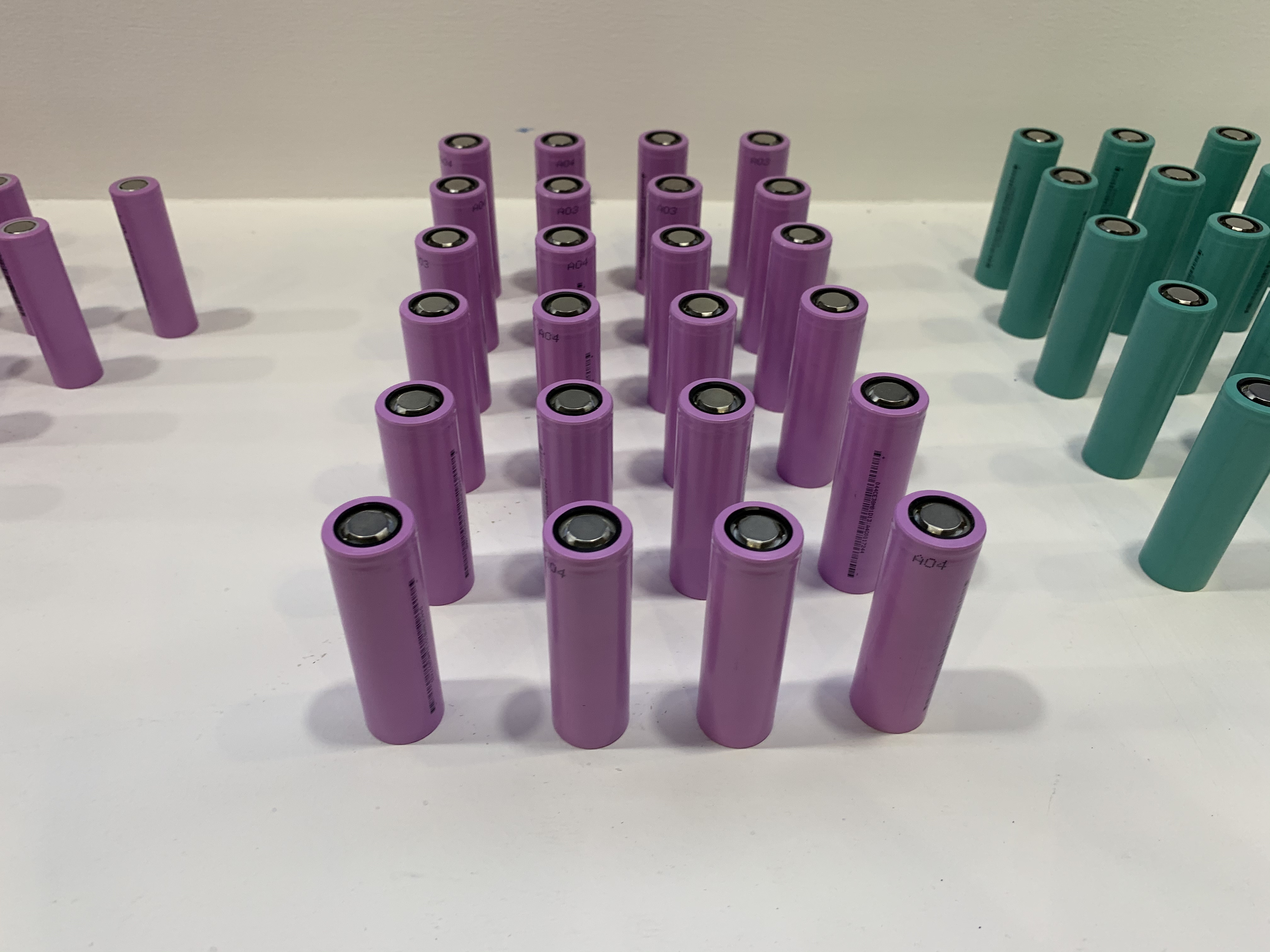
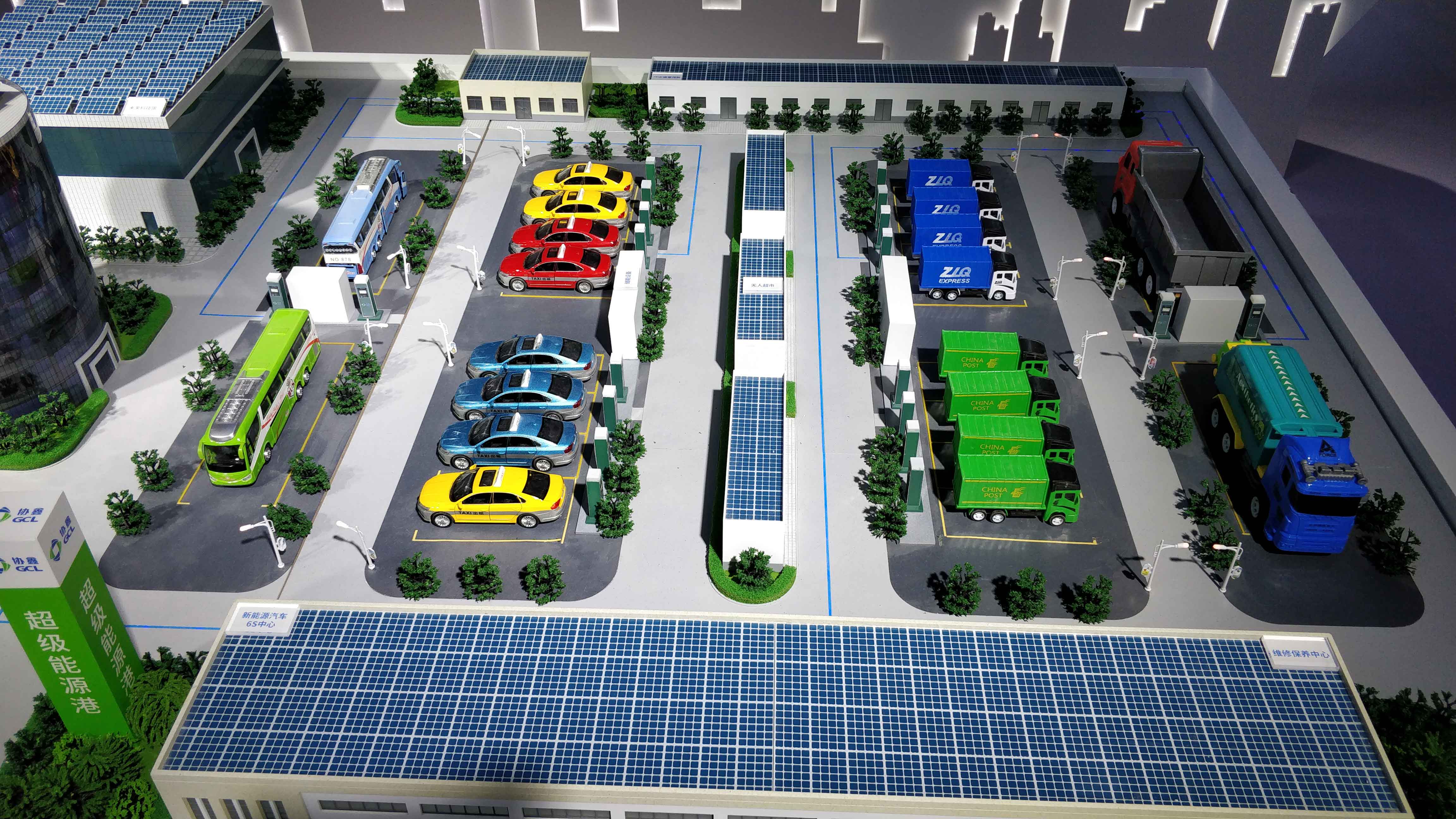
In recent years, there have been several lithium carbonate projects that have started production, resulting in an increase in global supply. These projects include Yongxing’s battery-grade lithium carbonate project, which has an annual output of 20,000 tons, and Tianli Energy’s lithium carbonate extraction project, with an annual output of 10,000 tons in its first phase.
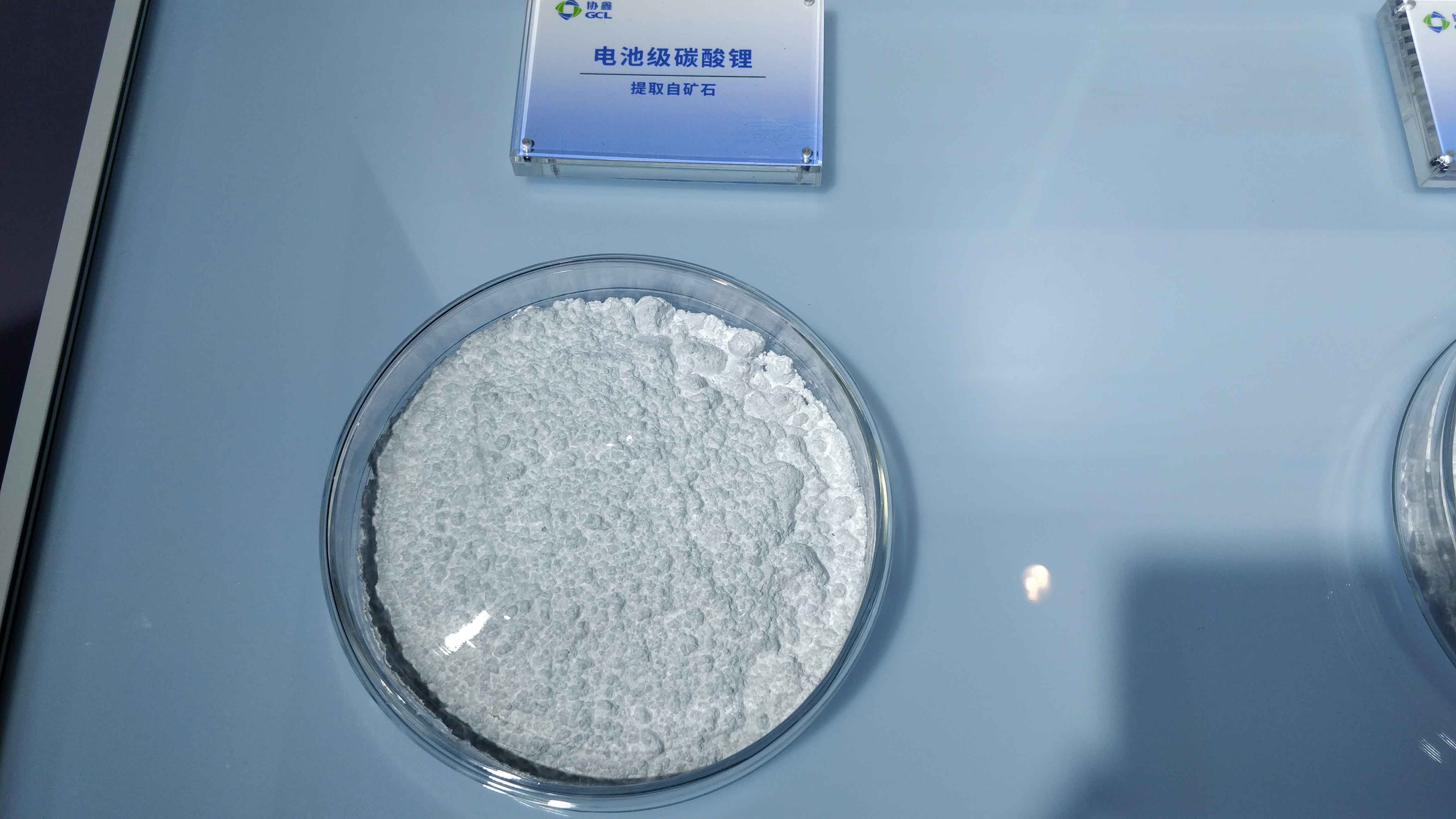
In addition to these projects, there are several others that are scheduled to begin production later this year. For example, Chengxin’s lithium salt project in Indonesia is set to produce 60,000 tons and is expected to be completed in the second half of the year. Sinomine’s high-purity lithium salt project, with an annual output of 35,000 tons, is planned for completion and production in the fourth quarter. Corun’s first-phase battery-grade lithium carbonate plant, capable of producing 10,000 tons, is also nearing completion.
The implementation of these production projects has helped to alleviate the supply and demand tensions in the lithium market to some extent. However, it may also lead to increased competition among suppliers, putting downward pressure on lithium carbonate prices.
Despite a strong recovery in previous periods, lithium carbonate prices have recently shown a downward trend. According to TrendForce’s research data, as of July 4th, the average market prices for domestic battery-grade lithium carbonate and industrial lithium carbonate remained unchanged from July 3rd, at RMB305,000/ton and RMB293,000/ton, respectively.
The specific impact on pricing will depend on the overall supply and demand dynamics of lithium carbonate. If the increase in supply matches the growth in demand, the downward pressure on prices may be relatively moderate. However, other factors such as the global economy, the development of the electric vehicle market, and policy changes can also influence the price of lithium carbonate.
It is important to note that the information provided is based on the current market conditions and may be subject to change.