In a significant move to advance their electric vehicle (EV) technology, South Korean automotive giants Hyundai and Kia have announced a four-year project aimed at developing a groundbreaking process for producing cathode materials for lithium iron phosphate (LFP) batteries. This initiative, undertaken in collaboration with Hyundai Steel and EcoPro BM, marks a crucial step in the group’s long-term strategy to enhance the safety, performance, and cost-effectiveness of their EV batteries.
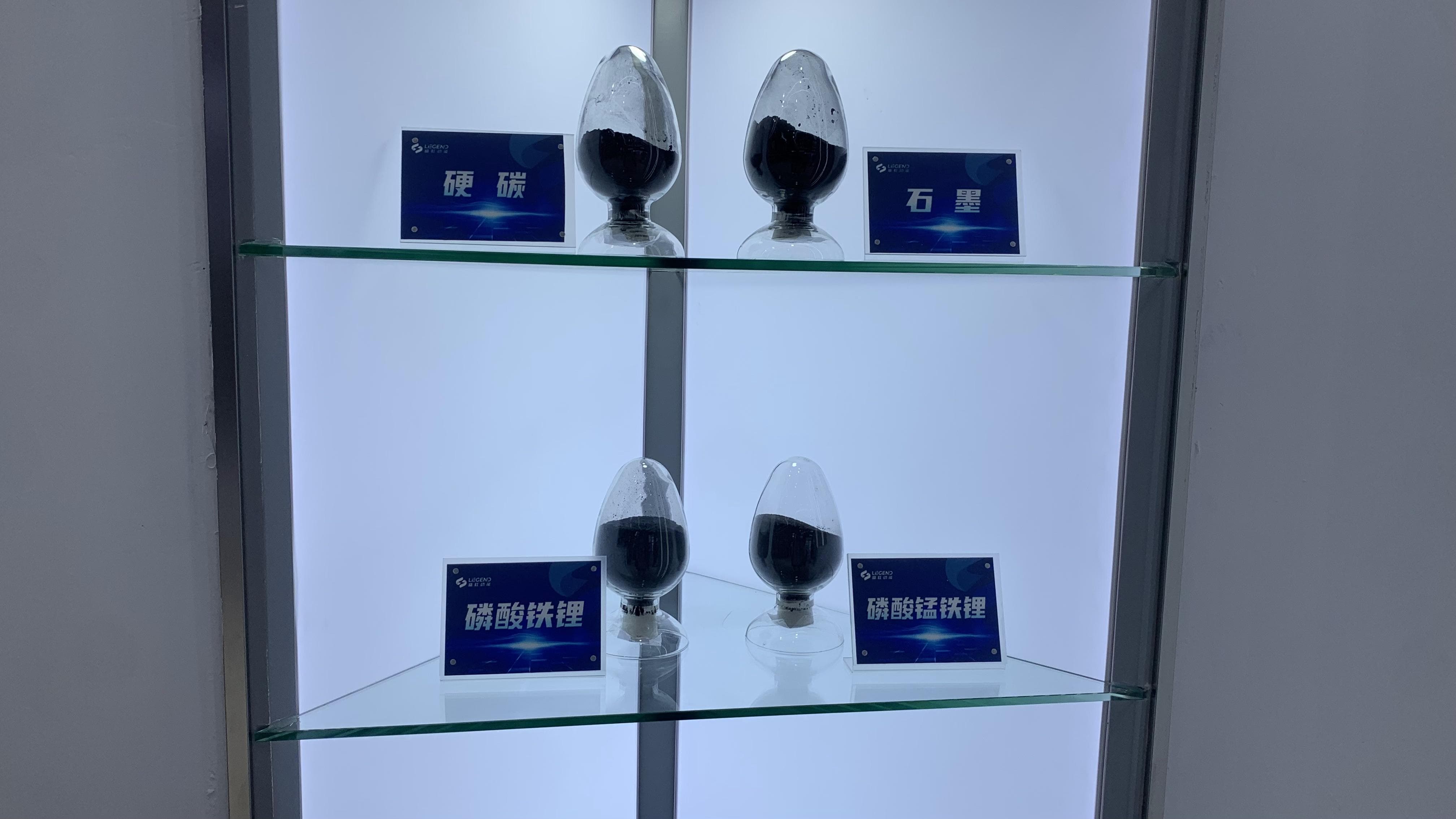
The project’s primary focus is on pioneering a direct synthesis method for LFP battery cathode materials. Traditional manufacturing processes typically involve adding lithium to precursor materials such as phosphate and iron sulfate. However, Hyundai and Kia’s innovative approach aims to simultaneously incorporate phosphate, iron powder, and lithium, effectively bypassing the precursor production stage.
According to Hyundai, this novel direct synthesis technique offers several advantages:
- Reduced environmental impact: By eliminating the precursor production step, the process is expected to significantly decrease hazardous substance emissions during manufacturing.
- Lower production costs: The streamlined process could lead to substantial cost savings in battery production.
- Enhanced domestic supply chain: The project aims to reduce reliance on imported materials and technology.
Hyundai Steel will play a pivotal role in the project by developing high-purity fine iron powder technology using domestically recycled iron. This material will then be utilized by EcoPro BM for the direct synthesis of LFP cathode material, further strengthening the localized supply chain.
The timing of this project is particularly significant given the current global context. Since BYD introduced its LFP ‘blade’ batteries in 2020, there has been a paradigm shift in the battery industry. LFP batteries have gained favor for EVs due to their superior safety profile and performance characteristics. Additionally, ongoing geopolitical tensions between the United States and China have highlighted the need for diversified, non-Chinese supply chains in the automotive sector.
Soonjoon Jung, Vice President and Head of the Electrification and Driving Materials Development Group at Hyundai Motor and Kia, emphasized the strategic importance of this initiative: “To meet future demand in the EV market, rapid technological development and effective battery supply chain establishment are essential. Through this project, we aim to reduce import reliance and enhance the technological competitiveness of the country and Hyundai Motor Group by internalizing necessary technologies.”
This project aligns with Hyundai and Kia’s broader EV strategies. Late last year, Hyundai announced plans to develop its own LFP battery cells. More recently, both companies revealed their intention to equip electric cars in India with LFP batteries from local manufacturer Exide, further demonstrating their commitment to localizing battery production and reducing dependence on Chinese suppliers.
South Korea, home to some of the world’s largest EV battery manufacturers outside of China, provides an ideal environment for this ambitious project. The country’s established expertise in battery technology and robust industrial infrastructure position Hyundai and Kia favorably in the race to advance LFP battery processes beyond China’s borders.
As the global automotive industry continues its rapid transition towards electrification, initiatives like this Hyundai-Kia project will play a crucial role in shaping the future of EV technology. By focusing on innovation, sustainability, and localized production, the South Korean automakers are not only securing their position in the EV market but also contributing to the broader goal of creating more resilient and diverse global supply chains for critical EV components.