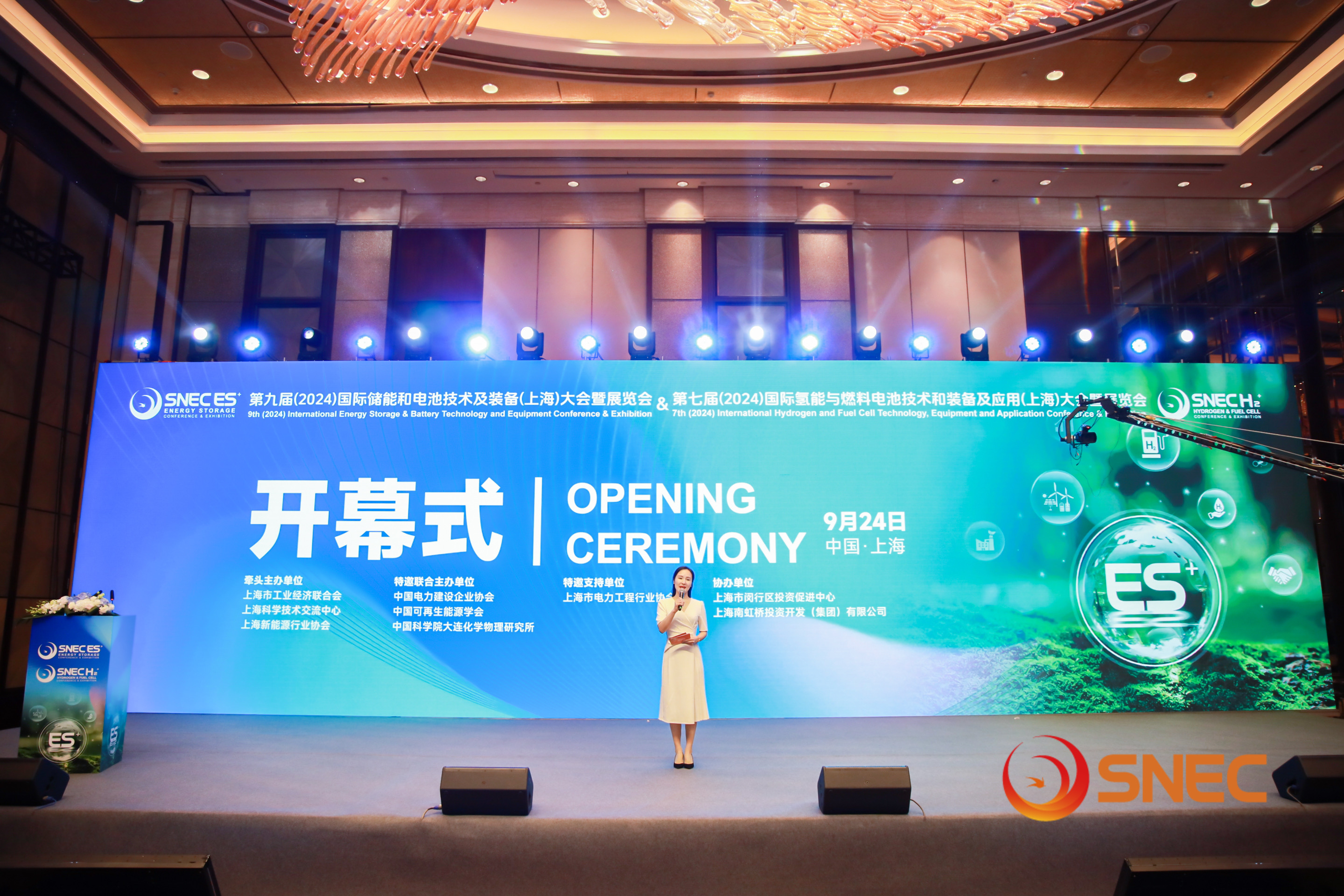
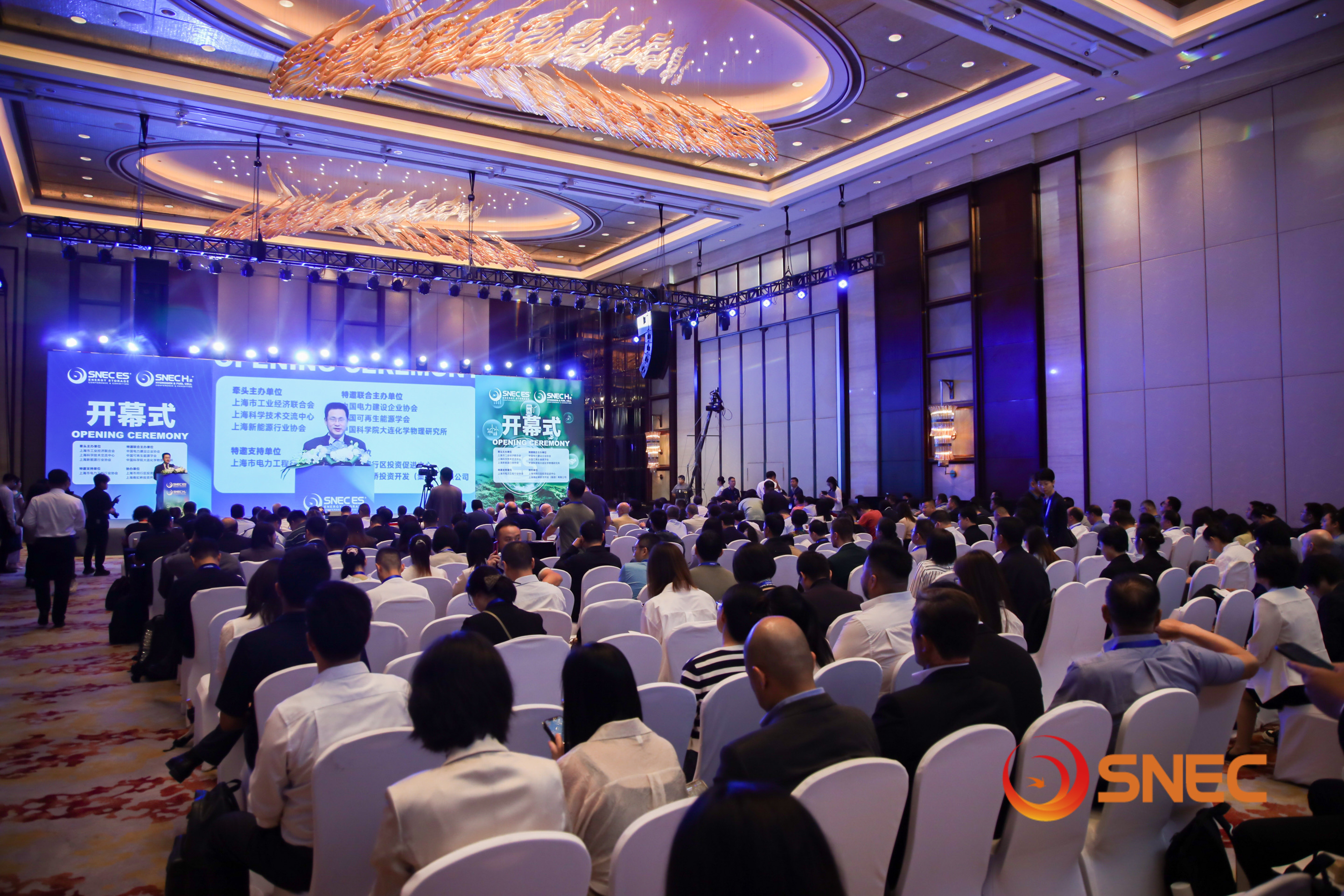
As renewable energy sources (RES) continue to penetrate global electricity grids, battery energy storage systems (BESS) have become a pivotal technology for balancing supply and demand, improving grid flexibility, and supporting the integration of renewable energy. At the forefront of this transformation, China’s battery and energy storage industry is rapidly evolving, driven by innovation and policy support. This article provides an in-depth look at recent developments, technological trends, and the future of energy storage, as highlighted by key stakeholders at the “SNEC H2+ 2024” conference in Shanghai.
Battery Production and Market Growth
Battery production has surged in China, with 2024 marking significant growth in both capacity and sales. According to industry reports, China’s total battery production in August reached 101.3 GWh, representing a 10.4% month-on-month increase and a 36.8% year-on-year growth. For the first eight months of the year, cumulative battery production reached 623.1 GWh, a 36.3% increase compared to the same period in 2023 .
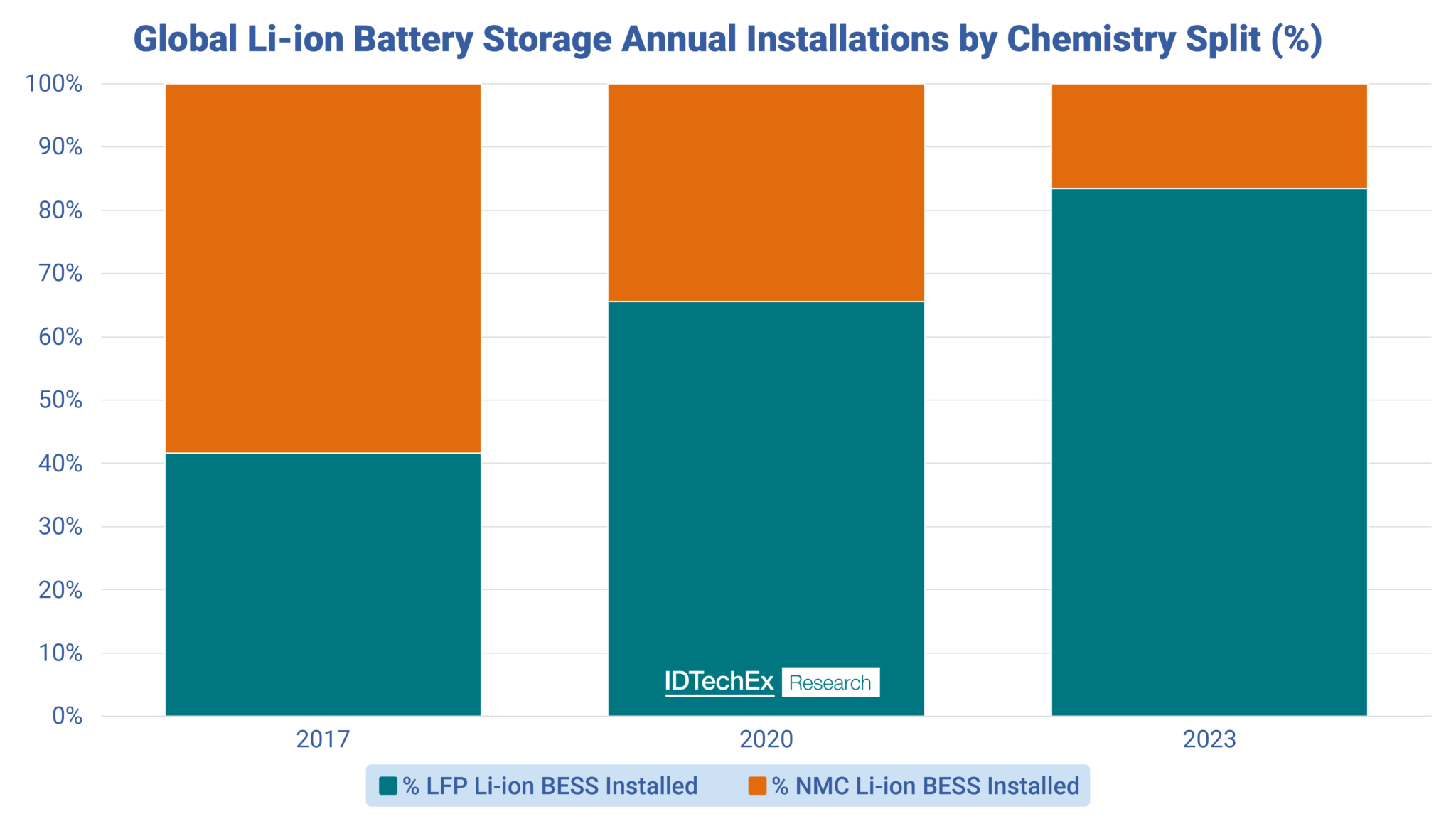
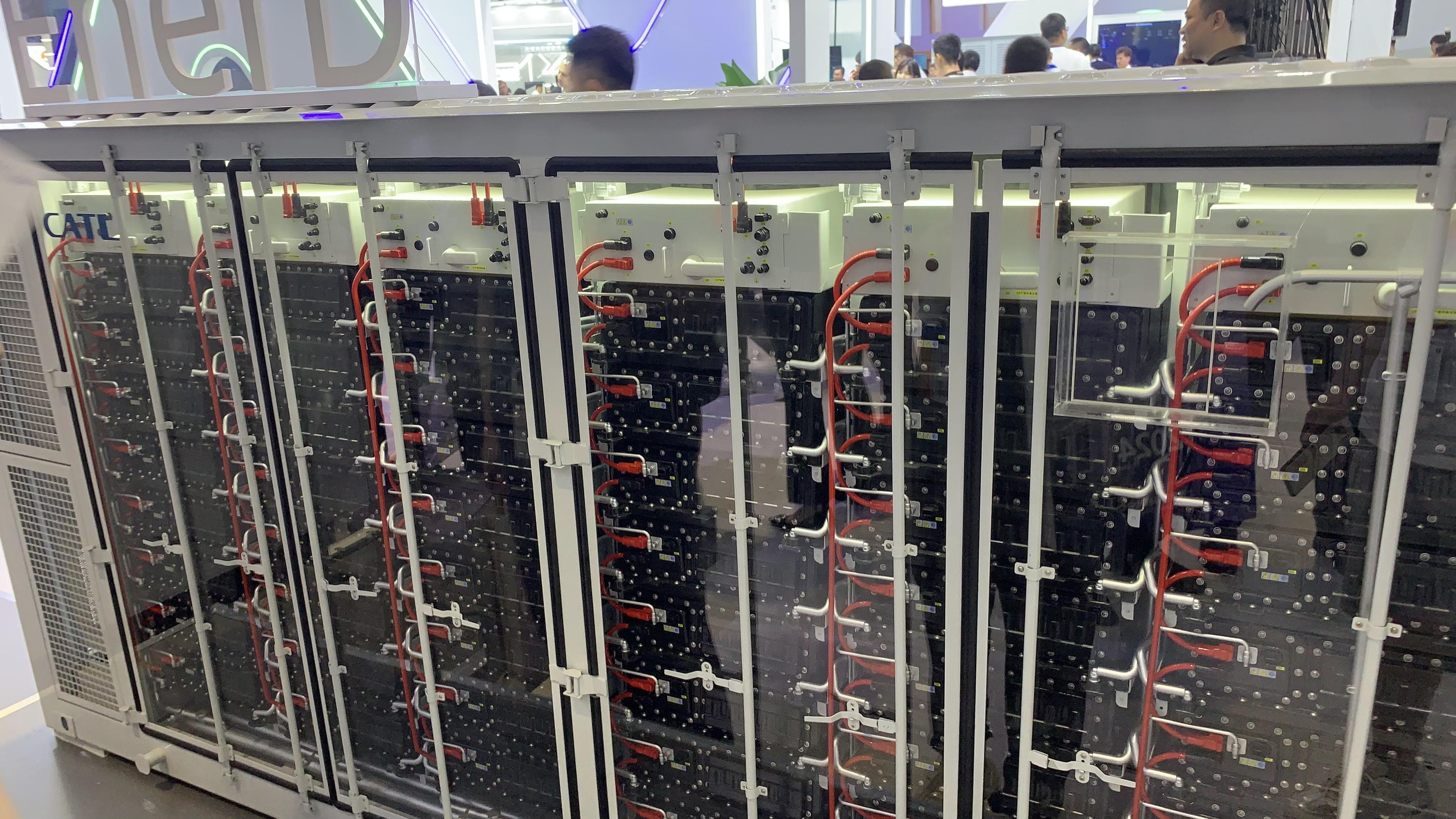
In terms of battery chemistry, lithium iron phosphate (LFP) batteries continue to dominate the market. In August, LFP batteries accounted for over 75% of total production, highlighting their importance in both energy storage and electric vehicles (EVs). The adoption of LFP batteries is largely due to their safety, lower cost, and longer cycle life, making them a preferred choice for grid-scale BESS .

Energy Storage: The Key to Renewable Integration
With the rapid deployment of renewable energy sources like solar and wind, energy storage has become a crucial component of modern electricity systems. The ability to store excess energy generated during peak production times and release it during periods of high demand is essential for maintaining grid stability. This is particularly important in regions with high renewable penetration, where intermittent generation can cause fluctuations in power supply.
China’s energy storage capacity is growing exponentially. In 2023, new energy storage installations exceeded 26.4 GWh, a 48.5% year-on-year increase. By 2030, China is expected to surpass 300 GW of energy storage capacity, with significant contributions from technologies like pumped hydro storage, lithium-ion batteries, and vanadium redox flow batteries (VRFBs) .
Technological Innovations in BESS
The rise of lithium-ion batteries, particularly LFP batteries, has driven down costs and improved energy densities, enabling the large-scale deployment of BESS. However, industry experts at the SNEC conference emphasized the need for continued innovation to meet future energy storage demands. Several key technologies are emerging in this space:
- Solid-State Batteries: Solid-state batteries are being touted as the next big breakthrough in energy storage. Offering higher energy densities, faster charging times, and improved safety over traditional lithium-ion batteries, solid-state batteries have the potential to revolutionize the BESS market. However, the commercialization of solid-state technology remains a challenge, with mass production expected to take several more years .
- Vanadium Redox Flow Batteries (VRFBs): VRFBs are gaining traction as a promising solution for long-duration energy storage. Unlike lithium-ion batteries, VRFBs offer decoupled energy and power, making them ideal for applications requiring extended storage times. VRFBs also have long lifespans and are inherently safe, as they do not pose the risk of thermal runaway. China is leading the charge in VRFB development, with several large-scale projects already in operation .
- Hybrid Energy Storage Systems (HESS): Hybrid systems that combine different energy storage technologies, such as lithium-ion batteries with thermal storage or VRFBs, are becoming more common. These systems provide greater flexibility by leveraging the strengths of each technology, optimizing both short- and long-term energy storage capabilities .
- Grid-Forming Inverters: As the energy storage industry matures, grid-forming inverters are emerging as a critical technology. These inverters enable BESS to provide essential grid services, such as voltage and frequency regulation, without relying on traditional synchronous generators. Grid-forming inverters will play a key role in integrating large volumes of renewable energy and ensuring grid stability .
Challenges and Opportunities for BESS Development
While the future of energy storage looks promising, several challenges must be addressed to ensure continued growth and technological advancement. These include:
- Supply Chain Constraints: The global supply of key battery materials, such as lithium, cobalt, and nickel, is a significant concern. As demand for batteries increases across multiple sectors, including EVs, consumer electronics, and grid storage, securing a stable and sustainable supply of these materials is critical. Efforts are underway to develop alternative battery chemistries, such as sodium-ion and metal-air batteries, which use more abundant materials .
- Cost Reduction: Despite significant cost reductions in recent years, energy storage remains expensive, particularly for long-duration applications. The industry must continue to innovate and scale production to bring down costs and make storage solutions more affordable for widespread deployment .
- Policy and Regulation: Supportive policies and regulatory frameworks are essential for the growth of the BESS market. In China, the government has introduced a range of incentives and subsidies to encourage investment in energy storage, particularly in regions with high renewable penetration. Internationally, policies like the U.S. Inflation Reduction Act (IRA) and Europe’s Battery Regulation are also driving investment in battery manufacturing and storage infrastructure .
Future Outlook
As China and other leading nations continue to invest in renewable energy and energy storage, the role of BESS will become increasingly important. By 2035, the global Li-ion BESS market is expected to reach $109 billion, with over 4.4 TWh of installed capacity. While lithium-ion batteries will continue to dominate the market, alternative technologies like solid-state batteries and VRFBs will gain traction as the industry evolves .
The integration of artificial intelligence, advanced analytics, and smart grid technologies will further enhance the performance and efficiency of energy storage systems. These innovations will allow for more accurate forecasting of energy demand, optimized dispatch of stored energy, and improved grid reliability .
In conclusion, the future of energy storage is bright, with significant advancements on the horizon. As the industry continues to innovate and scale, energy storage will play a critical role in the global transition to a low-carbon, sustainable energy future.
SEO Keywords
- Battery Energy Storage System (BESS)
- Lithium-Ion Batteries
- Renewable Energy Integration
- Vanadium Redox Flow Batteries (VRFB)
- Solid-State Batteries