Beijing’s Hesitation and US-Mexico Relations Cast Shadow on Potential Factory Launch
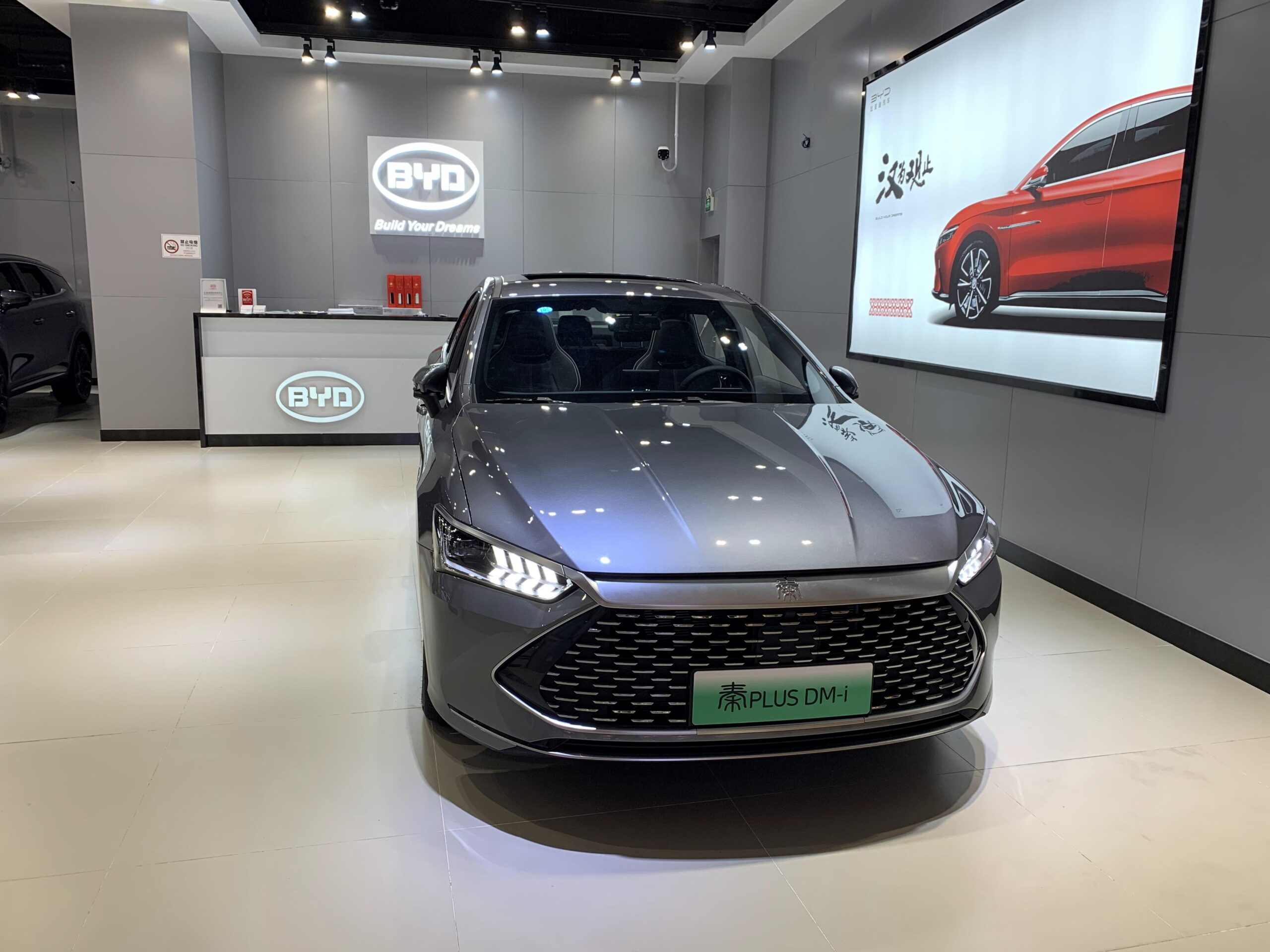
Mexico City – March 20, 2025 – Chinese automaker BYD’s ambitious plans to establish a production facility in Mexico are encountering significant roadblocks, extending beyond the previously reported challenges of US-China trade tensions. According to sources familiar with the matter, Beijing’s concerns regarding the project are multifaceted, encompassing geopolitical risks, Mexico’s proximity to the United States, and a shifting political landscape within Mexico itself. The project, initially touted to create approximately 10,000 jobs and produce 150,000 vehicles annually, now faces an uncertain future.
The Financial Times recently reported, citing two individuals with direct knowledge of the situation, that BYD requires explicit approval from the Chinese government to proceed with the Mexican venture. This requirement underscores the level of scrutiny the project is under, and highlights the complex web of political considerations influencing its fate.
While BYD has demonstrably increased its focus on the Mexican market, aiming to sell 100,000 electric vehicles this year – a substantial increase from the 50,000 target for 2024 – the path to establishing a local production base is proving increasingly treacherous.
Belt and Road Priorities and US Proximity
One key factor contributing to Beijing’s apprehension is China’s strategic focus on projects aligned with its Belt and Road Initiative. This initiative prioritizes investment and infrastructure development in countries along established trade routes. Mexico, however, deviates from this established framework.
“The commerce ministry’s biggest concern is Mexico’s proximity to the US,” revealed one of the individuals speaking to the Financial Times. This concern stems from the ongoing trade dispute between the US and China, and Washington’s accusations that Mexico is being utilized as a “back door” for Chinese goods. The US has already imposed additional tariffs on goods originating from both China and Mexico, although the automotive industry has, for now, been spared.
The US administration’s suspicion that Mexico is facilitating trade circumvention adds another layer of complexity. China fears that establishing a production facility so close to the US border could inadvertently lead to the leakage of sensitive information regarding its own automotive technologies and manufacturing processes. Maintaining a competitive edge in the global automotive market is paramount for China, and any perceived risk of intellectual property compromise is taken extremely seriously.
Mexico’s Shifting Political Landscape and US Pressure
Adding to the challenges is the evolving political climate within Mexico. “Mexico’s new government has taken a hostile attitude towards Chinese companies, making the situation even more challenging for BYD,” according to a second insider quoted by the Financial Times. This sentiment reflects a broader trend of increased scrutiny and potential barriers for Chinese investment in Mexico.
This isn’t the first instance of Mexico facing pressure from the US regarding its economic ties with China. Approximately a year ago, the Mexican government abruptly scrapped incentives designed to attract Chinese automakers seeking to establish factories within the country. This previous action serves as a stark reminder of the potential for sudden policy shifts and the vulnerability of foreign investment.
BYD’s Commitment and Future Prospects
Despite these significant headwinds, BYD remains demonstrably committed to the Mexican market. The company’s aggressive sales targets underscore its belief in the long-term potential of the region. Plans for a BYD production facility first emerged in early 2024, generating considerable excitement and anticipation within the Mexican automotive sector.
However, the timeline for the project’s realization remains unclear. According to Mexico’s President Claudia Sheinbaum, there has been no formal proposal received from BYD. BYD’s executive Vice President Stella Li previously stated that the company had “not decided [on] the Mexico facility yet,” tempering initial expectations. The initial plan had been to announce the factory’s location by the end of 2024, a deadline that has now passed without any concrete developments.
NAFTA Considerations and Potential Tariff Reversals
The North American Free Trade Agreement (NAFTA), now superseded by the USMCA (United States-Mexico-Canada Agreement), provides a framework for duty-free trade between the US, Canada, and Mexico. This arrangement would theoretically allow BYD to import vehicles manufactured in Mexico into both the US and Canada without incurring additional tariffs.
However, this advantage remains contingent on the continued stability of US trade policy. The potential for tariffs imposed by US President Trump to be reinstated or modified remains a significant risk, capable of dramatically altering the economic viability of the Mexican production facility. Under the previous administration, the US significantly increased customs duties on electric vehicles originating from China, a precedent that could be repeated. In June 2024, BYD publicly acknowledged the complexities of the US market, stating that it would not proceed with expansion plans “as it is very complicated.”
Conclusion
BYD’s ambition to establish a production facility in Mexico faces a complex and evolving set of challenges. While the company’s commitment to the Mexican market remains evident, the confluence of geopolitical tensions, US-Mexico trade relations, and internal political considerations within Mexico creates a highly uncertain environment. The future of the project hinges on Beijing’s final decision, the stability of US trade policy, and the evolving relationship between Mexico and China.